THE ADVENTURE COLLECTIVE® · Independent discovery and booking for outdoor travel

Walk the lanes where Dar es Salaam lives: small coffee roasters, street breakfasts, traditional medicine stalls and khanga sellers. This five-hour guided experience focuses on everyday life, local trades, and the social pulse of Tanzania’s largest city.
Walk the lanes where Dar es Salaam lives: small coffee roasters, street breakfasts, traditional medicine stalls and khanga sellers. This five-hour guided experience focuses on everyday life, local trades, and the social pulse of Tanzania’s largest city.
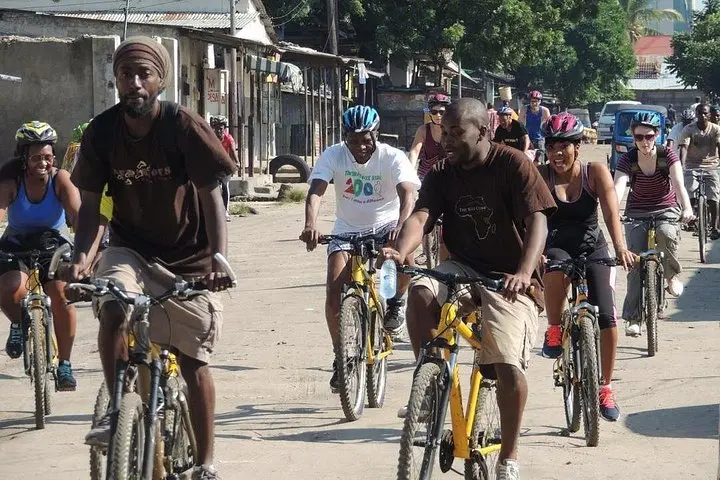
You step off the main road into a lane where the city breathes at street level—bicycles weave, shopkeepers call in Swahili, and the smell of freshly roasted coffee pushes through a morning crowd.
Verified experiences and guided adventures in the surrounding area.
Operated by Afri Roots adventures · Dar es Salaam, Dar es Salaam Region
You step off the main road into a lane where the city breathes at street level—bicycles weave, shopkeepers call in Swahili, and the smell of freshly roasted coffee pushes through a morning crowd.
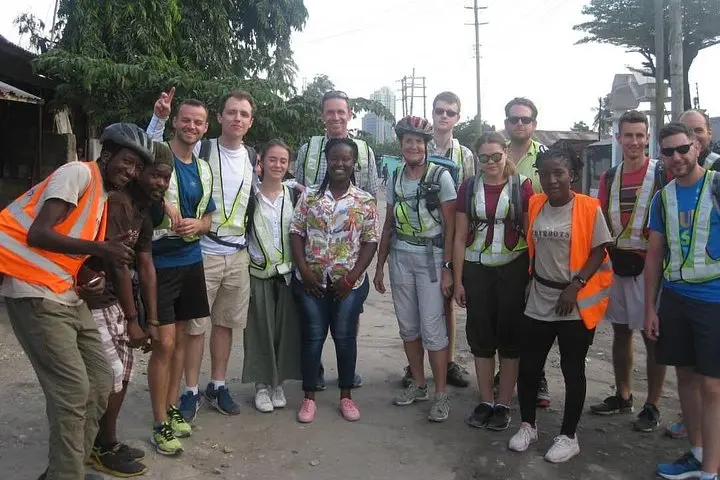
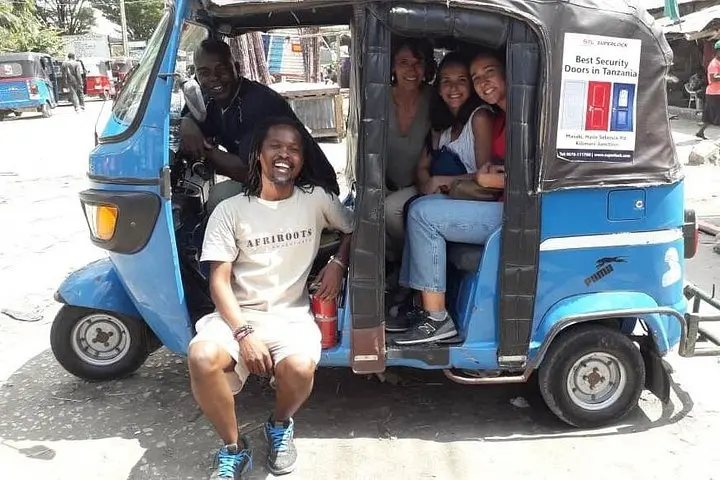
This five-hour reality tour follows the rhythms of daily Dar es Salaam rather than its tourist highlights. The route threads through neighborhood kiosks, a small-scale coffee maker showing bean-to-cup practice, a stall selling a Swahili breakfast, a traditional medicine vendor, and a khanga shop where fabric carries messages and social meaning. The port city’s layered history—Omani trade, German and British colonial periods, and the rise of an independent Tanzanian identity—shapes these streets and the mix of foods, languages, and goods for sale.
Geology here matters: Dar’s coastline and harbor have long directed commerce, and compacted coral and sandy soils influence where homes and markets sit. Culture is tactile—bartering, shared breakfasts, and fabrics that communicate status or celebration.
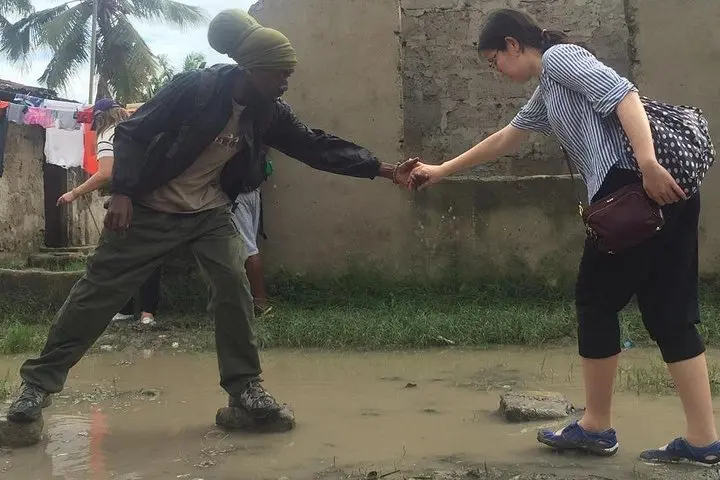
Practical guidance: plan for uneven sidewalks and short walks between stops, bring small bills for purchases, and travel mid-morning when markets are active but temperatures are manageable. Hydrate frequently; vendors sell bottled drinks but a refillable bottle reduces plastic waste. Respect dress norms—modest clothing is appreciated in many neighborhoods—and ask before photographing people.
This tour is about attention: listening to vendors describe their work, tasting a real Swahili breakfast, and watching the city’s everyday commerce unfold. It’s not a checklist of monuments but a guided immersion in how Dar es Salaam functions at the street level.
Meeting and end points are in central Dar es Salaam; the exact location is confirmed at booking and typically near a major landmark or hotel in the city center.
Yes—infants are welcome but must sit on laps; the pace is relaxed and stops are frequent, though stroller access may be limited on crowded lanes.
Guides commonly speak English and Swahili; request a Swahili-speaking guide if desired when booking.
Some small tastings or drinks may be included, but plan to have cash if you want full breakfasts or additional purchases at markets.
Afri Roots adventures operates guided outdoor trips and adventures with an emphasis on safety, stewardship, and memorable experiences.
You step off the main road into a lane where the city breathes at street level—bicycles weave, shopkeepers call in Swahili, and the smell of freshly roasted coffee pushes through a morning crowd.
You step off the main road into a lane where the city breathes at street level—bicycles weave, shopkeepers call in Swahili, and the smell of freshly roasted coffee pushes through a morning crowd.
This five-hour reality tour follows the rhythms of daily Dar es Salaam rather than its tourist highlights. The route threads through neighborhood kiosks, a small-scale coffee maker showing bean-to-cup practice, a stall selling a Swahili breakfast, a traditional medicine vendor, and a khanga shop where fabric carries messages and social meaning. The port city’s layered history—Omani trade, German and British colonial periods, and the rise of an independent Tanzanian identity—shapes these streets and the mix of foods, languages, and goods for sale.
Geology here matters: Dar’s coastline and harbor have long directed commerce, and compacted coral and sandy soils influence where homes and markets sit. Culture is tactile—bartering, shared breakfasts, and fabrics that communicate status or celebration.
Practical guidance: plan for uneven sidewalks and short walks between stops, bring small bills for purchases, and travel mid-morning when markets are active but temperatures are manageable. Hydrate frequently; vendors sell bottled drinks but a refillable bottle reduces plastic waste. Respect dress norms—modest clothing is appreciated in many neighborhoods—and ask before photographing people.
This tour is about attention: listening to vendors describe their work, tasting a real Swahili breakfast, and watching the city’s everyday commerce unfold. It’s not a checklist of monuments but a guided immersion in how Dar es Salaam functions at the street level.