THE ADVENTURE COLLECTIVE® · Independent discovery and booking for outdoor travel

Float above Luxor at sunrise, then explore Karnak and Luxor Temples with a private Egyptologist. This compact morning combines quiet aerial views with hands-on history on the East Bank.
Float above Luxor at sunrise, then explore Karnak and Luxor Temples with a private Egyptologist. This compact morning combines quiet aerial views with hands-on history on the East Bank.
The basket lifts just after dawn and the city slips beneath you: the Nile a dark ribbon daring you to follow, date palms unspooling into farmland, and the silent blocks of ancient stone catching the first light. From the balloon you watch Luxor wake—the river reflecting a pale fire while fields and temples become a stitched landscape beneath the slow sweep of the burner.
Verified experiences and guided adventures in the surrounding area.
Operated by Wow Travel Egypt · Luxor, Luxor Governorate
The basket lifts just after dawn and the city slips beneath you: the Nile a dark ribbon daring you to follow, date palms unspooling into farmland, and the silent blocks of ancient stone catching the first light. From the balloon you watch Luxor wake—the river reflecting a pale fire while fields and temples become a stitched landscape beneath the slow sweep of the burner.
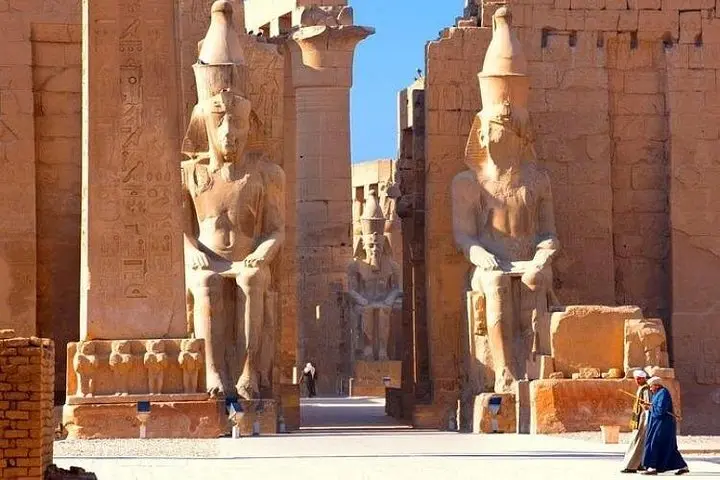
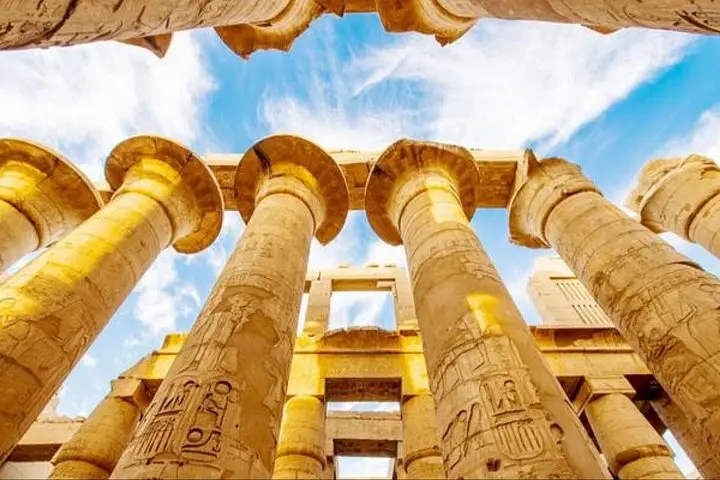
This combined experience pairs a calm aerial crossing with a focused, ground-level survey of Luxor’s East Bank. After landing and a brief debrief, a private Egyptologist guide leads you through Karnak’s avenue of obelisks and the Hypostyle Hall—one of the largest roofed spaces of the ancient world—and then to Luxor Temple’s colonnades and the restored stretches of the Avenue of Sphinxes. Geology and history meet here: the Nile’s annual floods deposited the alluvial silt that fed millennia of settlement, and the sandstone and limestone of the temples reveal carving techniques and ritual priorities across dynasties.
Practicalities matter: pickups are early and transfers are air-conditioned; wear sturdy shoes for uneven temple floors and bring sun protection—the desert sun intensifies quickly. Photography is exceptional at sunrise and remains strong at the open-air sites, but space in the balloon is limited, so pack light camera gear.
Expect minimal physical strain—short walks and flat surfaces dominate—but plan hydration, a light layered jacket for the cool morning, and small cash for tips or site snacks. The pairing of silent flight and monumental archaeology gives a clear, memorable perspective on Luxor’s scale and endurance.
The balloon flight lasts about 45–60 minutes, depending on wind and conditions.
Admission to Karnak and Luxor Temples is typically not included in the flight package—confirm at booking and bring cash or card for tickets.
Infants must sit on an adult’s lap and operators typically allow children; check age restrictions when booking.
Operators monitor weather closely; if the balloon is canceled you should receive a refund or rescheduling options per the provider’s policy.
Wow Travel Egypt operates guided outdoor trips and adventures with an emphasis on safety, stewardship, and memorable experiences.
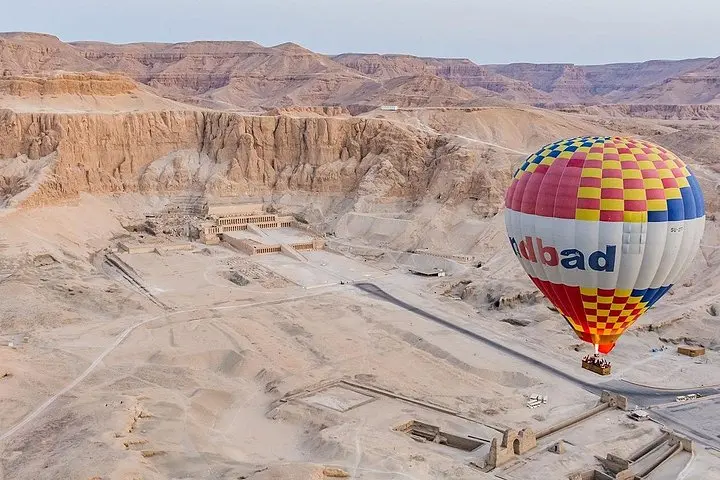
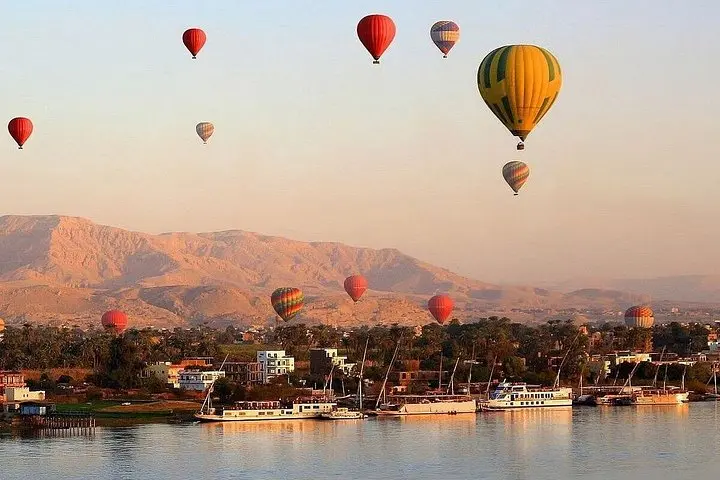
The basket lifts just after dawn and the city slips beneath you: the Nile a dark ribbon daring you to follow, date palms unspooling into farmland, and the silent blocks of ancient stone catching the first light. From the balloon you watch Luxor wake—the river reflecting a pale fire while fields and temples become a stitched landscape beneath the slow sweep of the burner.
The basket lifts just after dawn and the city slips beneath you: the Nile a dark ribbon daring you to follow, date palms unspooling into farmland, and the silent blocks of ancient stone catching the first light. From the balloon you watch Luxor wake—the river reflecting a pale fire while fields and temples become a stitched landscape beneath the slow sweep of the burner.
This combined experience pairs a calm aerial crossing with a focused, ground-level survey of Luxor’s East Bank. After landing and a brief debrief, a private Egyptologist guide leads you through Karnak’s avenue of obelisks and the Hypostyle Hall—one of the largest roofed spaces of the ancient world—and then to Luxor Temple’s colonnades and the restored stretches of the Avenue of Sphinxes. Geology and history meet here: the Nile’s annual floods deposited the alluvial silt that fed millennia of settlement, and the sandstone and limestone of the temples reveal carving techniques and ritual priorities across dynasties.
Practicalities matter: pickups are early and transfers are air-conditioned; wear sturdy shoes for uneven temple floors and bring sun protection—the desert sun intensifies quickly. Photography is exceptional at sunrise and remains strong at the open-air sites, but space in the balloon is limited, so pack light camera gear.
Expect minimal physical strain—short walks and flat surfaces dominate—but plan hydration, a light layered jacket for the cool morning, and small cash for tips or site snacks. The pairing of silent flight and monumental archaeology gives a clear, memorable perspective on Luxor’s scale and endurance.