THE ADVENTURE COLLECTIVE® · Independent discovery and booking for outdoor travel

Watch the Annapurna and Dhaulagiri range ignite from Poon Hill on this compact five-day trek from Pokhara. Expect rhododendron forests, stone staircases at Ulleri, and authentic Gurung village life in Ghandruk.
Watch the Annapurna and Dhaulagiri range ignite from Poon Hill on this compact five-day trek from Pokhara. Expect rhododendron forests, stone staircases at Ulleri, and authentic Gurung village life in Ghandruk.
The trail opens before most of the town wakes: a cool, thin air lifting from terraced fields while headlamps bob like slow-fire beetles on a climb toward Poon Hill. By the time you crest the final ridge the sky has started to sharpen—first a band of pale gold, then the sheer backs of Annapurna and Dhaulagiri lit from below. That sunrise is the spine of this five-day route.
Verified experiences and guided adventures in the surrounding area.
Operated by Linkage Tours & Travels · Pokhara, Gandaki Province
The trail opens before most of the town wakes: a cool, thin air lifting from terraced fields while headlamps bob like slow-fire beetles on a climb toward Poon Hill. By the time you crest the final ridge the sky has started to sharpen—first a band of pale gold, then the sheer backs of Annapurna and Dhaulagiri lit from below. That sunrise is the spine of this five-day route.
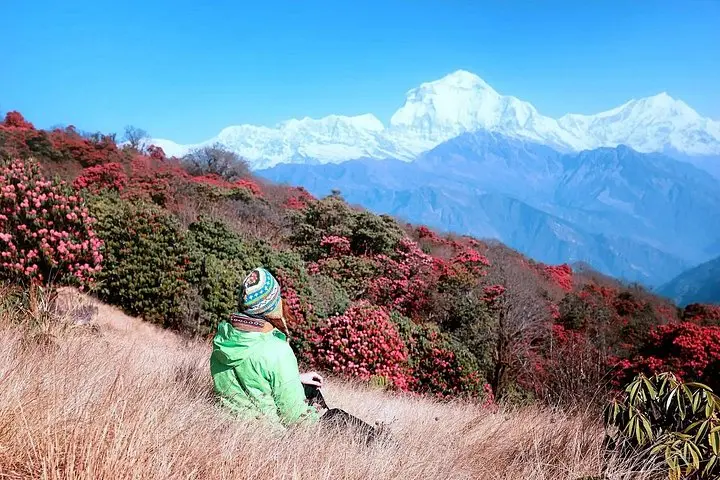
This trek threads centuries of mountain culture and living geology. Old trade paths carved by mule trains rise through rhododendron and oak; stone steps at Ulleri mark labor-intensive terraces etched into the hillsides. Ghandruk is a working Gurung village where slate-roofed houses and a small cultural museum reflect an agricultural life tied to Annapurna’s slopes.
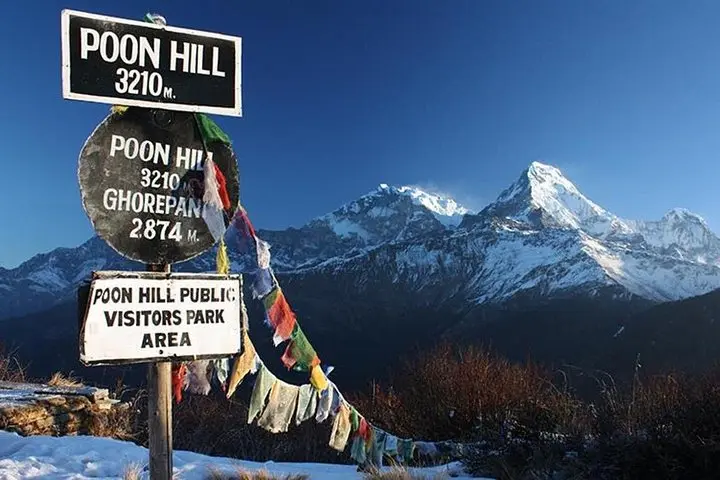
Expect a mix of forested singletrack, stone staircases and short village roads. Daily walking ranges from three to seven hours, with the highest point at Poon Hill (3,210 m), where early-morning winds push you to the viewpoint. Lodges and teahouses provide basic accommodation and hot meals; permits (ACAP and TIMS) regulate access and fund conservation.
Practical side: start early for cooler hiking and clear views, carry layers for freezing pre-dawn conditions, and budget Nepali rupees—card access is limited en route. Hydrate and pace the ascent to minimize altitude effects, and bring a lightweight rain shell for sudden mountain showers. The route is achievable for hikers with steady fitness who can handle uneven steps and multi-day walking; local guides manage logistics and add cultural insight. For a short Himalayan trek, it balances dramatic panoramas with approachable daily distances.
Yes—Annapurna Conservation Area Permit (ACAP) and TIMS are required; the operator typically arranges them and the cost is included in many tour packages.
It’s considered moderate: daily hikes are short to medium but include steep stone steps and altitude up to 3,210 m; basic fitness and a gradual pace make it accessible to many beginners.
Teahouse lodges offer basic private rooms or shared dorms, simple hot meals, and occasional charging or shower services—comforts vary by village.
Poon Hill reaches 3,210 m where mild symptoms are possible; acclimatize, stay hydrated, and descend if symptoms worsen—guides monitor group health.
Linkage Tours & Travels operates guided outdoor trips and adventures with an emphasis on safety, stewardship, and memorable experiences.
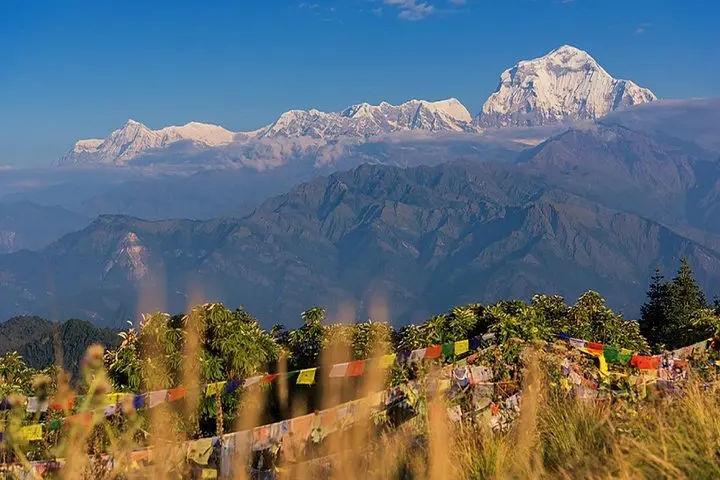
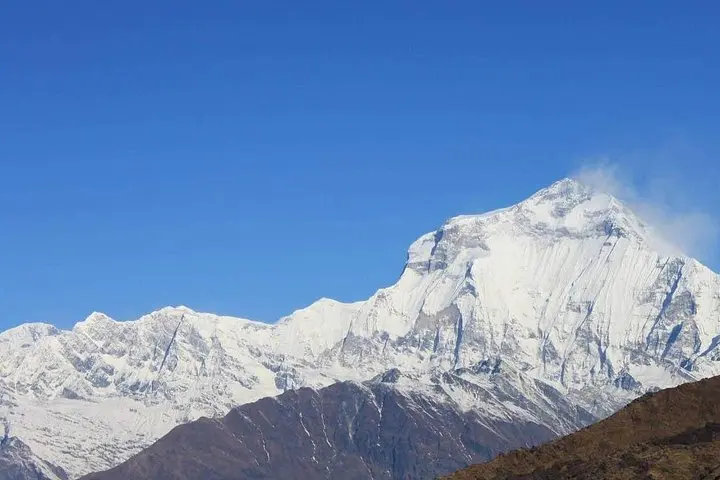
The trail opens before most of the town wakes: a cool, thin air lifting from terraced fields while headlamps bob like slow-fire beetles on a climb toward Poon Hill. By the time you crest the final ridge the sky has started to sharpen—first a band of pale gold, then the sheer backs of Annapurna and Dhaulagiri lit from below. That sunrise is the spine of this five-day route.
The trail opens before most of the town wakes: a cool, thin air lifting from terraced fields while headlamps bob like slow-fire beetles on a climb toward Poon Hill. By the time you crest the final ridge the sky has started to sharpen—first a band of pale gold, then the sheer backs of Annapurna and Dhaulagiri lit from below. That sunrise is the spine of this five-day route.
This trek threads centuries of mountain culture and living geology. Old trade paths carved by mule trains rise through rhododendron and oak; stone steps at Ulleri mark labor-intensive terraces etched into the hillsides. Ghandruk is a working Gurung village where slate-roofed houses and a small cultural museum reflect an agricultural life tied to Annapurna’s slopes.
Expect a mix of forested singletrack, stone staircases and short village roads. Daily walking ranges from three to seven hours, with the highest point at Poon Hill (3,210 m), where early-morning winds push you to the viewpoint. Lodges and teahouses provide basic accommodation and hot meals; permits (ACAP and TIMS) regulate access and fund conservation.
Practical side: start early for cooler hiking and clear views, carry layers for freezing pre-dawn conditions, and budget Nepali rupees—card access is limited en route. Hydrate and pace the ascent to minimize altitude effects, and bring a lightweight rain shell for sudden mountain showers. The route is achievable for hikers with steady fitness who can handle uneven steps and multi-day walking; local guides manage logistics and add cultural insight. For a short Himalayan trek, it balances dramatic panoramas with approachable daily distances.