THE ADVENTURE COLLECTIVE® · Independent discovery and booking for outdoor travel

A dawn game drive through Bundala National Park delivers close-up birdlife, shallow lagoons and the chance of marsh crocodiles and elephants in a compact morning safari. Ideal for wildlife-focused travelers based in Tissamaharama or Yala.
A dawn game drive through Bundala National Park delivers close-up birdlife, shallow lagoons and the chance of marsh crocodiles and elephants in a compact morning safari. Ideal for wildlife-focused travelers based in Tissamaharama or Yala.
Before first light the wetlands breathe and the jeeps hum to life—headlamps cutting the silhouette of salt pans and reed beds as a cloud of flamingos lifts in slow, coordinated drift.
Verified experiences and guided adventures in the surrounding area.
Operated by The Mice Team · Tissamaharama, Southern Province
Before first light the wetlands breathe and the jeeps hum to life—headlamps cutting the silhouette of salt pans and reed beds as a cloud of flamingos lifts in slow, coordinated drift.
Bundala’s morning feels purposeful: water pushes light across shallow lagoons, and the air carries the dry, mineral tang of coastal marsh. The park is a low-lying coastal plain at near sea level, a mix of saline lagoons, scrub, sandy flats and mangrove edges that together host wintering waterbirds and a loose cast of mammals.
Historically protected as an international wetland, Bundala sits on migratory routes that connect Siberia and Central Asia to the Indian Ocean. Geologically it’s recent—silted lagoons and shifting sandbars shaped by tides and seasonal runoff. Local fishing villages and salt pans fringe the reserve; visiting supports guides who know the rhythms of birds and tides.
Practically, the morning drive runs about three hours of in-park viewing, typically starting at dawn with hotel pickup from Tissamaharama or Yala. Terrain is flat and driven in an open safari jeep—expect dusty tracks and occasional shallow pools; elevation gain is negligible. Wildlife highlights include greater flamingo flocks, waders, marsh crocodiles, and the occasional elephant or jackal. Guides read the waterline and reed edges; patience wins sightings.
Bring binoculars, sun protection and a quiet camera technique. Stay on vehicle tracks, follow your guide’s briefings, and aim for November–March for peak migratory concentrations. The drive is accessible to most travelers and delivers concentrated birding and coastal wildlife in a compact, four-hour window.
The in-park game viewing is about three hours; transfers and hotel pickup typically make the full booking about four hours.
Yes—Bundala is known for large flocks of greater flamingos and dozens of migratory waterbird species, especially between November and March.
Yes—hotel pickup and drop-off by safari jeep from Yala or Tissamaharama is included in the tour price.
The activity is suitable for most ages, but it is not recommended for pregnant travelers or those with serious spinal or cardiovascular conditions; check the booking terms for details.
The Mice Team operates guided outdoor trips and adventures with an emphasis on safety, stewardship, and memorable experiences.
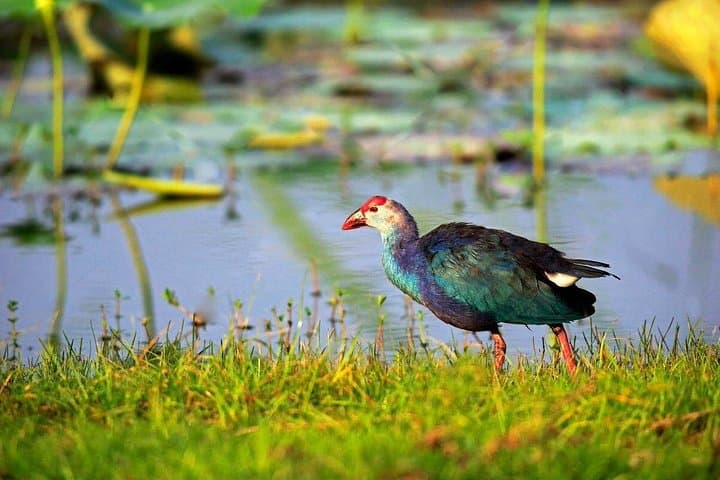


Before first light the wetlands breathe and the jeeps hum to life—headlamps cutting the silhouette of salt pans and reed beds as a cloud of flamingos lifts in slow, coordinated drift.
Before first light the wetlands breathe and the jeeps hum to life—headlamps cutting the silhouette of salt pans and reed beds as a cloud of flamingos lifts in slow, coordinated drift.
Bundala’s morning feels purposeful: water pushes light across shallow lagoons, and the air carries the dry, mineral tang of coastal marsh. The park is a low-lying coastal plain at near sea level, a mix of saline lagoons, scrub, sandy flats and mangrove edges that together host wintering waterbirds and a loose cast of mammals.
Historically protected as an international wetland, Bundala sits on migratory routes that connect Siberia and Central Asia to the Indian Ocean. Geologically it’s recent—silted lagoons and shifting sandbars shaped by tides and seasonal runoff. Local fishing villages and salt pans fringe the reserve; visiting supports guides who know the rhythms of birds and tides.
Practically, the morning drive runs about three hours of in-park viewing, typically starting at dawn with hotel pickup from Tissamaharama or Yala. Terrain is flat and driven in an open safari jeep—expect dusty tracks and occasional shallow pools; elevation gain is negligible. Wildlife highlights include greater flamingo flocks, waders, marsh crocodiles, and the occasional elephant or jackal. Guides read the waterline and reed edges; patience wins sightings.
Bring binoculars, sun protection and a quiet camera technique. Stay on vehicle tracks, follow your guide’s briefings, and aim for November–March for peak migratory concentrations. The drive is accessible to most travelers and delivers concentrated birding and coastal wildlife in a compact, four-hour window.