THE ADVENTURE COLLECTIVE® · Independent discovery and booking for outdoor travel
Catch dawn over the Saline di Trapani e Paceco and watch waterbirds claim the reflecting salt pans. This pre‑sunrise tour blends low‑impact sightseeing, natural history, and local salt‑working culture in a 2–3 hour window of light.
Catch dawn over the Saline di Trapani e Paceco and watch waterbirds claim the reflecting salt pans. This pre‑sunrise tour blends low‑impact sightseeing, natural history, and local salt‑working culture in a 2–3 hour window of light.
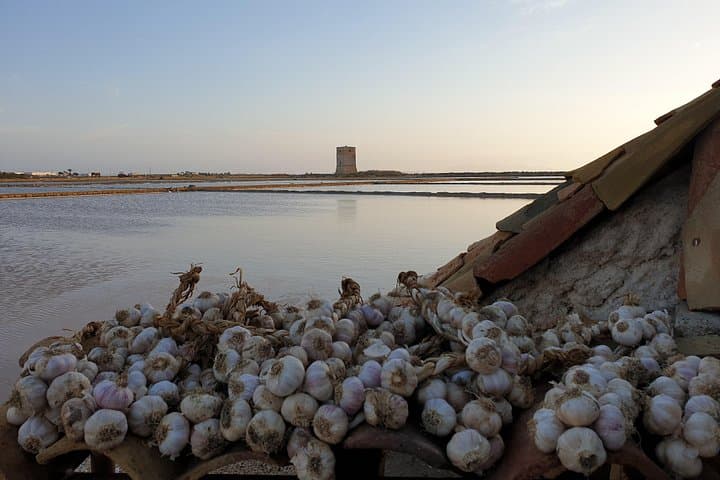
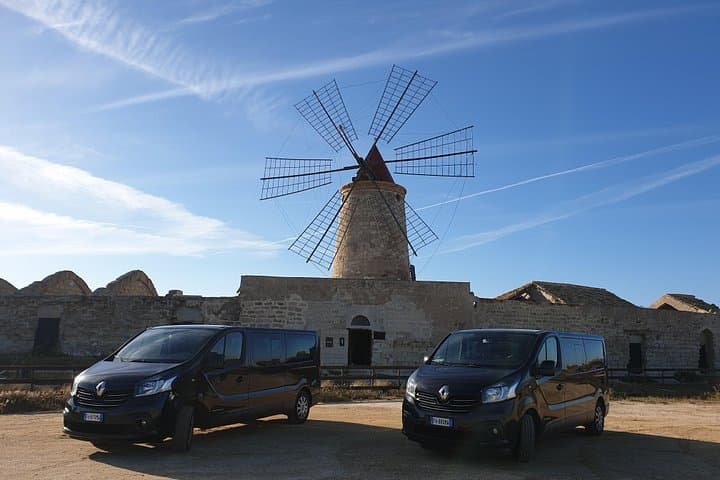
Before the sun clears the western rim of Sicily, the salt basins around Trapani glow like shallow mirrors—pink, gold and opal—reflecting a sky that seems to arrive a beat early. You step from an air‑conditioned minivan into a hush of reeds and distant wings. The water smells faintly of brine; rails and wooden walkways guide you between geometric pans where salt has been harvested for centuries.
Verified experiences and guided adventures in the surrounding area.
Operated by Flamingo Way · Trapani, Sicily
Before the sun clears the western rim of Sicily, the salt basins around Trapani glow like shallow mirrors—pink, gold and opal—reflecting a sky that seems to arrive a beat early. You step from an air‑conditioned minivan into a hush of reeds and distant wings. The water smells faintly of brine; rails and wooden walkways guide you between geometric pans where salt has been harvested for centuries.
This landscape is both industrial and wild. The Saline di Trapani e Paceco formed on Pleistocene coastal plains and were reshaped by human saltworks from Phoenician and Roman times through medieval mills to modern artisanal production. Geology here is simple—low flat marshes cut with levees—and that simplicity makes it a magnet for migratory and resident waterbirds.
Culturally the pans are part working landscape, part protected reserve: local families and salt‑workers have long balanced extraction with habitat. Expect to hear the measured knocks of distant bird calls and to see flamingos, herons and waders claim the shallow rims as dawn breaks.
Practically: the tour runs about 2–3 hours starting before sunrise, so plan for pre‑dawn pickup, low light walking on boardwalks, and cool, damp conditions. Bring binoculars and a tripod‑ready camera, dress in layers for changing temperatures, and wear stable, water‑resistant shoes. Move quietly and keep to paths—the birds are accustomed to the soft human presence but quick to shift. The experience trades strenuous hiking for close, patient observation: a quiet, high‑reward early morning in one of Sicily’s most evocative coastal reserves.
The tour departs well before local sunrise to catch first light; expect a pre‑dawn pickup time and a 2–3 hour total duration.
Yes—operators note stroller accessibility and infant seats are available, though some boardwalks may be narrow; check pickup logistics when booking.
Guides take you to good vantage points for observation and photography, but respect for wildlife distances is enforced to avoid disturbance.
Yes; the itinerary includes entrance to the Salt Museum and guided access to the saline reserve as part of the tour.
Flamingo Way operates guided outdoor trips and adventures with an emphasis on safety, stewardship, and memorable experiences.

Before the sun clears the western rim of Sicily, the salt basins around Trapani glow like shallow mirrors—pink, gold and opal—reflecting a sky that seems to arrive a beat early. You step from an air‑conditioned minivan into a hush of reeds and distant wings. The water smells faintly of brine; rails and wooden walkways guide you between geometric pans where salt has been harvested for centuries.
Before the sun clears the western rim of Sicily, the salt basins around Trapani glow like shallow mirrors—pink, gold and opal—reflecting a sky that seems to arrive a beat early. You step from an air‑conditioned minivan into a hush of reeds and distant wings. The water smells faintly of brine; rails and wooden walkways guide you between geometric pans where salt has been harvested for centuries.
This landscape is both industrial and wild. The Saline di Trapani e Paceco formed on Pleistocene coastal plains and were reshaped by human saltworks from Phoenician and Roman times through medieval mills to modern artisanal production. Geology here is simple—low flat marshes cut with levees—and that simplicity makes it a magnet for migratory and resident waterbirds.
Culturally the pans are part working landscape, part protected reserve: local families and salt‑workers have long balanced extraction with habitat. Expect to hear the measured knocks of distant bird calls and to see flamingos, herons and waders claim the shallow rims as dawn breaks.
Practically: the tour runs about 2–3 hours starting before sunrise, so plan for pre‑dawn pickup, low light walking on boardwalks, and cool, damp conditions. Bring binoculars and a tripod‑ready camera, dress in layers for changing temperatures, and wear stable, water‑resistant shoes. Move quietly and keep to paths—the birds are accustomed to the soft human presence but quick to shift. The experience trades strenuous hiking for close, patient observation: a quiet, high‑reward early morning in one of Sicily’s most evocative coastal reserves.
