THE ADVENTURE COLLECTIVE® · Independent discovery and booking for outdoor travel

Head offshore from Mirissa at dawn to track whales and dolphins on a 4.5-hour all-inclusive boat ride. Learn what to expect—from seasonality and safety to practical gear—before you climb aboard.
Head offshore from Mirissa at dawn to track whales and dolphins on a 4.5-hour all-inclusive boat ride. Learn what to expect—from seasonality and safety to practical gear—before you climb aboard.
The boat slips away from Mirissa’s crescent beach before sunrise, engines low and the horizon a pale slate. Salt and diesel mix with the smell of coconut from the shoreline as the vessel eases into the broad Indian Ocean; gulls wheel and the water opens into a vast blue that seems to breathe. Passengers settle into benches, cameras ready, while crew scan the horizon for spouts and dorsal fins.
Verified experiences and guided adventures in the surrounding area.
Operated by Ceylon Pass · Mirissa, Southern Province
The boat slips away from Mirissa’s crescent beach before sunrise, engines low and the horizon a pale slate. Salt and diesel mix with the smell of coconut from the shoreline as the vessel eases into the broad Indian Ocean; gulls wheel and the water opens into a vast blue that seems to breathe. Passengers settle into benches, cameras ready, while crew scan the horizon for spouts and dorsal fins.
Sri Lanka’s southern coast sits on nutrient-rich currents where deep ocean trenches meet coastal shelves, creating one of the world’s most reliable blue and sperm whale grounds. Mirissa grew as a fishing hamlet and has shifted toward wildlife tourism; nearby Weligama still shows traditional stilt fishermen practicing an older rhythm of the sea. The experience connects modern boat-based wildlife viewing with a long history of ocean livelihoods.
Expect a roughly 4.5-hour outing with hotel pickup, breakfast snacks and bottled water included. Boats head out at dawn and may spend hours tracking animals, so patience matters; sightings are common in season (roughly November–April for larger baleen species) but never guaranteed. This is a moderate-activity trip — you’ll stand, move around the deck and handle short, sometimes choppy crossings. Respect no-feed rules, keep noise low, and follow crew instructions: the safety of whales, dolphins and passengers depends on it.
Practical tips: take sun protection, bring motion-sickness remedies, charge camera batteries, and pick a window seat on the weather side for the best viewing. If seas pick up the operator will cancel for safety, and responsible operators keep distance to avoid disturbing animals.
The main season for large baleen whales is roughly November through April when plankton blooms draw them closer to shore; dolphins are more consistently present year-round.
Total duration is about 4.5 hours and most operators include hotel or villa pickup from Mirissa and surrounding areas.
No—sightings are common during season but never guaranteed; operators may cancel for safety in rough seas and offer refunds per their policy.
Infants must sit on laps; the trip is not recommended for pregnant travelers or those with significant heart conditions due to boat motion and limited medical facilities at sea.
Ceylon Pass operates guided outdoor trips and adventures with an emphasis on safety, stewardship, and memorable experiences.
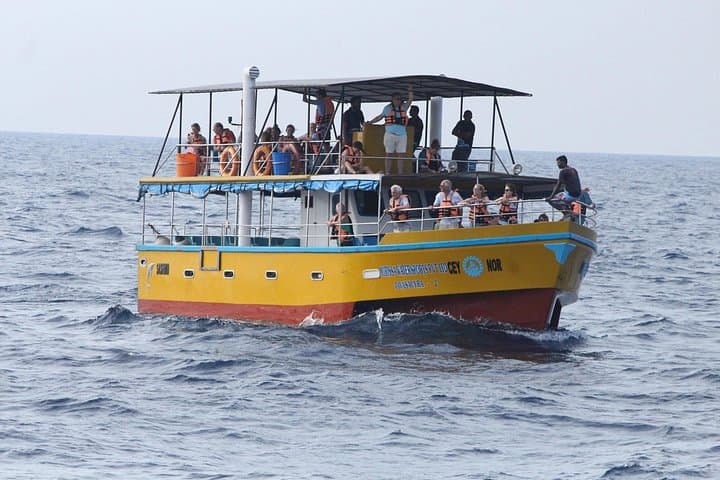
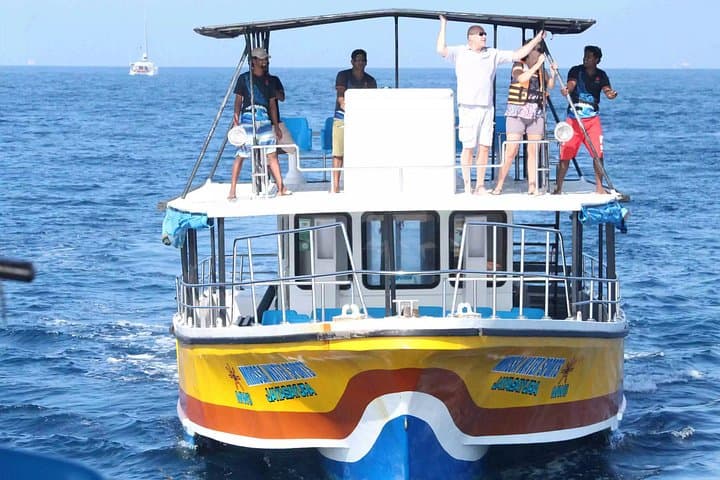
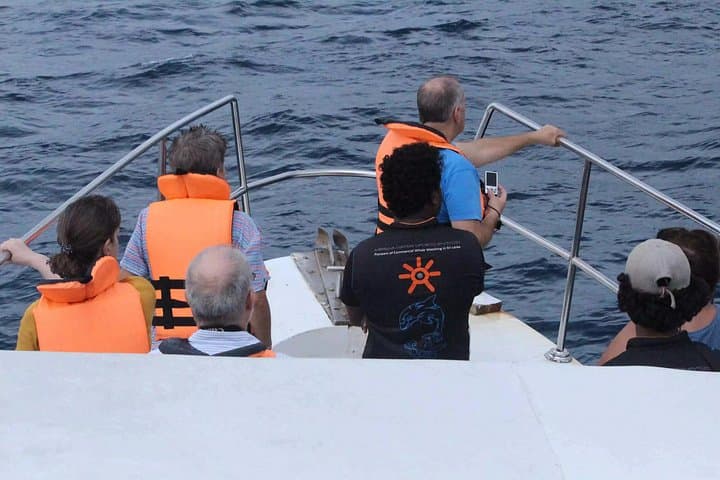
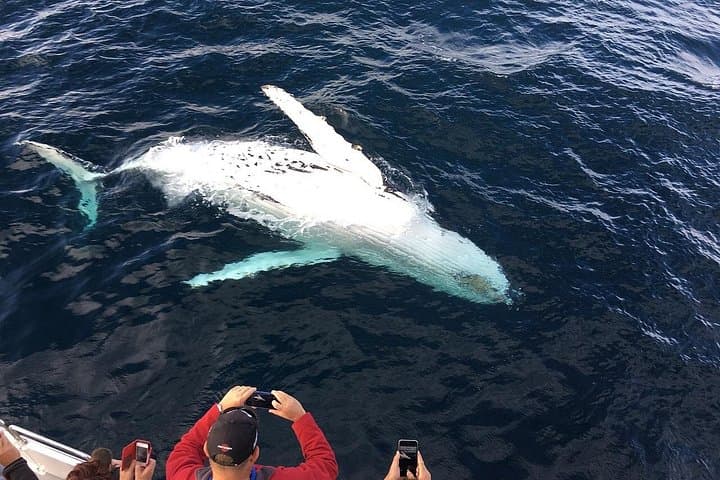
The boat slips away from Mirissa’s crescent beach before sunrise, engines low and the horizon a pale slate. Salt and diesel mix with the smell of coconut from the shoreline as the vessel eases into the broad Indian Ocean; gulls wheel and the water opens into a vast blue that seems to breathe. Passengers settle into benches, cameras ready, while crew scan the horizon for spouts and dorsal fins.
The boat slips away from Mirissa’s crescent beach before sunrise, engines low and the horizon a pale slate. Salt and diesel mix with the smell of coconut from the shoreline as the vessel eases into the broad Indian Ocean; gulls wheel and the water opens into a vast blue that seems to breathe. Passengers settle into benches, cameras ready, while crew scan the horizon for spouts and dorsal fins.
Sri Lanka’s southern coast sits on nutrient-rich currents where deep ocean trenches meet coastal shelves, creating one of the world’s most reliable blue and sperm whale grounds. Mirissa grew as a fishing hamlet and has shifted toward wildlife tourism; nearby Weligama still shows traditional stilt fishermen practicing an older rhythm of the sea. The experience connects modern boat-based wildlife viewing with a long history of ocean livelihoods.
Expect a roughly 4.5-hour outing with hotel pickup, breakfast snacks and bottled water included. Boats head out at dawn and may spend hours tracking animals, so patience matters; sightings are common in season (roughly November–April for larger baleen species) but never guaranteed. This is a moderate-activity trip — you’ll stand, move around the deck and handle short, sometimes choppy crossings. Respect no-feed rules, keep noise low, and follow crew instructions: the safety of whales, dolphins and passengers depends on it.
Practical tips: take sun protection, bring motion-sickness remedies, charge camera batteries, and pick a window seat on the weather side for the best viewing. If seas pick up the operator will cancel for safety, and responsible operators keep distance to avoid disturbing animals.