THE ADVENTURE COLLECTIVE® · Independent discovery and booking for outdoor travel

Spend a full day birding Kigali’s restored wetlands—Nyandungu, Umusambi Crane Village and Gashora—searching for papyrus specialists and waterbirds. This accessible loop combines short walks, hides and expert guides for a high-return birding experience near the city.
Spend a full day birding Kigali’s restored wetlands—Nyandungu, Umusambi Crane Village and Gashora—searching for papyrus specialists and waterbirds. This accessible loop combines short walks, hides and expert guides for a high-return birding experience near the city.
Dawn lifts off the Kigali ridge and the wetlands answer—sharp calls, rushing wingbeats and the soft thrum of insect life. On a full-day birding loop you move from the boardwalks and reed beds of Nyandungu to the curated ponds of Umusambi Crane Village and the papyrus-filled margins of Gashora in Bugesera, watching species move through water, grass and open scrub.
Verified experiences and guided adventures in the surrounding area.
Operated by BET · Kigali, Kigali
Dawn lifts off the Kigali ridge and the wetlands answer—sharp calls, rushing wingbeats and the soft thrum of insect life. On a full-day birding loop you move from the boardwalks and reed beds of Nyandungu to the curated ponds of Umusambi Crane Village and the papyrus-filled margins of Gashora in Bugesera, watching species move through water, grass and open scrub.
Rwanda’s wetlands are recent subjects of restoration and local stewardship; Nyandungu in particular is a reclaimed urban wetland designed for both wildlife and community access. Geologically the region is a rolling mix of volcanic highlands and shallow lake basins that collect water and support papyrus and sedge—prime habitat for papyrus specialists and waterbirds.
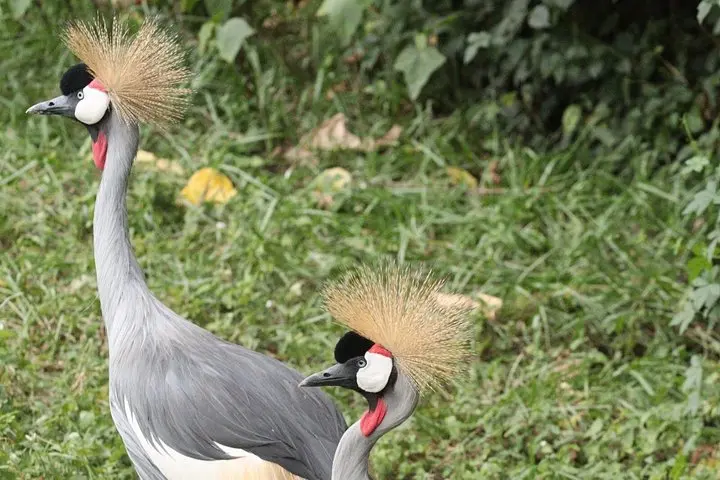
Culturally, sites like Umusambi are conservation stories as much as sightseeing stops: rescued grey‑crowned cranes and managed ponds illustrate local efforts to curb the illegal bird trade and rebuild habitat.
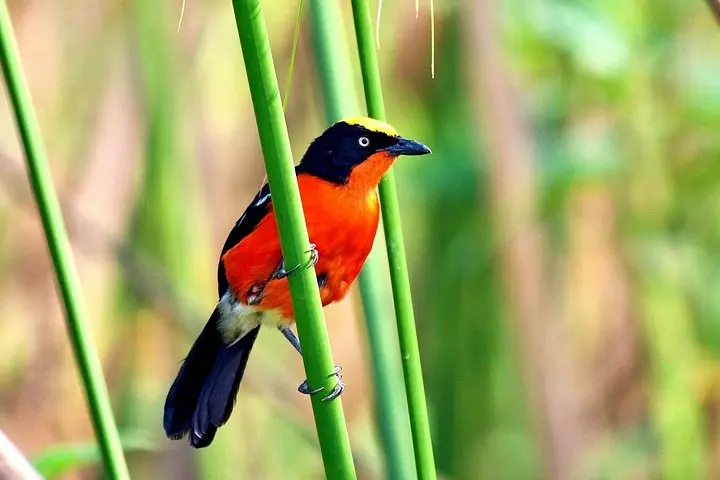
Practically, expect lots of short, easy walks, standing at hides and scanning reeds through binoculars. The best window is early morning when birds are active; afternoons can bring quieter but productive sessions. Guides will steer you to species such as White‑collared Oliveback, Papyrus Gonolek and various kingfishers, and they handle permits and entrance fees. Wear closed-toe shoes for muddy boardwalks, bring a waterproof layer if showers are forecast, and pack plenty of water and insect repellent. Photography is rewarding but often requires a long lens; a quiet approach and patience will yield the best views. This is an accessible, low-impact day trip that pairs urban convenience with surprisingly rich East African wetland birdlife.
Yes—bottled water and lunch are included in the full-day tour; bring extra snacks if you prefer more energy options.
Private transportation is included; most operators offer hotel pickup in Kigali—confirm your pickup point at booking.
Many areas, particularly Nyandungu, have accessible boardwalks and the transfer vehicles can be arranged for accessibility, but some hides may have uneven surfaces—check specifics with the operator.
Guests are advised to bring personal optics; guides may have a spare pair but availability is not guaranteed.
BET operates guided outdoor trips and adventures with an emphasis on safety, stewardship, and memorable experiences.
Dawn lifts off the Kigali ridge and the wetlands answer—sharp calls, rushing wingbeats and the soft thrum of insect life. On a full-day birding loop you move from the boardwalks and reed beds of Nyandungu to the curated ponds of Umusambi Crane Village and the papyrus-filled margins of Gashora in Bugesera, watching species move through water, grass and open scrub.
Dawn lifts off the Kigali ridge and the wetlands answer—sharp calls, rushing wingbeats and the soft thrum of insect life. On a full-day birding loop you move from the boardwalks and reed beds of Nyandungu to the curated ponds of Umusambi Crane Village and the papyrus-filled margins of Gashora in Bugesera, watching species move through water, grass and open scrub.
Rwanda’s wetlands are recent subjects of restoration and local stewardship; Nyandungu in particular is a reclaimed urban wetland designed for both wildlife and community access. Geologically the region is a rolling mix of volcanic highlands and shallow lake basins that collect water and support papyrus and sedge—prime habitat for papyrus specialists and waterbirds.
Culturally, sites like Umusambi are conservation stories as much as sightseeing stops: rescued grey‑crowned cranes and managed ponds illustrate local efforts to curb the illegal bird trade and rebuild habitat.
Practically, expect lots of short, easy walks, standing at hides and scanning reeds through binoculars. The best window is early morning when birds are active; afternoons can bring quieter but productive sessions. Guides will steer you to species such as White‑collared Oliveback, Papyrus Gonolek and various kingfishers, and they handle permits and entrance fees. Wear closed-toe shoes for muddy boardwalks, bring a waterproof layer if showers are forecast, and pack plenty of water and insect repellent. Photography is rewarding but often requires a long lens; a quiet approach and patience will yield the best views. This is an accessible, low-impact day trip that pairs urban convenience with surprisingly rich East African wetland birdlife.