THE ADVENTURE COLLECTIVE® · Independent discovery and booking for outdoor travel

A private, full‑day tour from Dublin that stitches together Belfast’s industrial past and civic present—mural routes, the Titanic Quarter, Botanic Gardens and a guided drive through key sites of the Troubles. Ideal for travelers who want history, architecture and accessible walking in a single day.
A private, full‑day tour from Dublin that stitches together Belfast’s industrial past and civic present—mural routes, the Titanic Quarter, Botanic Gardens and a guided drive through key sites of the Troubles. Ideal for travelers who want history, architecture and accessible walking in a single day.
You leave Dublin before dawn in an air-conditioned minibus, the motorway folding behind you as the River Lagan waits like a slow-moving guide at the edge of the city. Arriving in Belfast feels immediate—brick docks, the towering Harland & Wolff cranes, and streets where murals argue their histories in bold color.
Verified experiences and guided adventures in the surrounding area.
Operated by Setanta Chauffeur Tours · Belfast, Northern Ireland
You leave Dublin before dawn in an air-conditioned minibus, the motorway folding behind you as the River Lagan waits like a slow-moving guide at the edge of the city. Arriving in Belfast feels immediate—brick docks, the towering Harland & Wolff cranes, and streets where murals argue their histories in bold color.
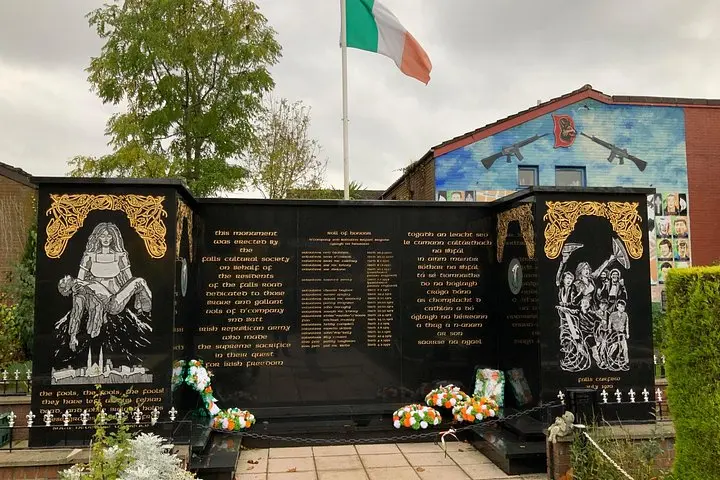
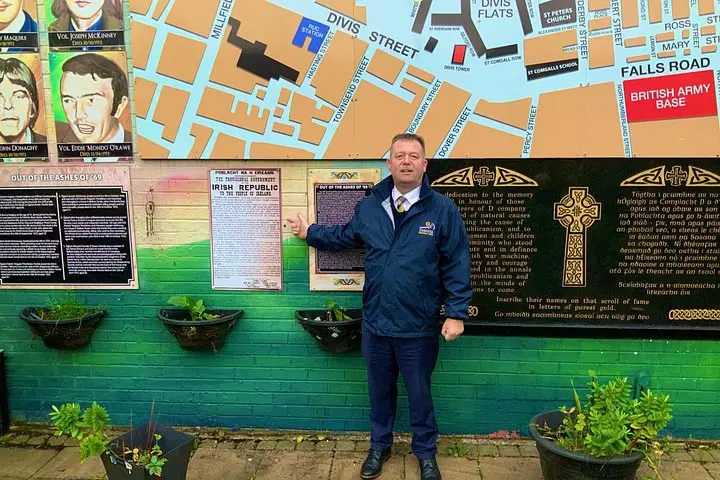
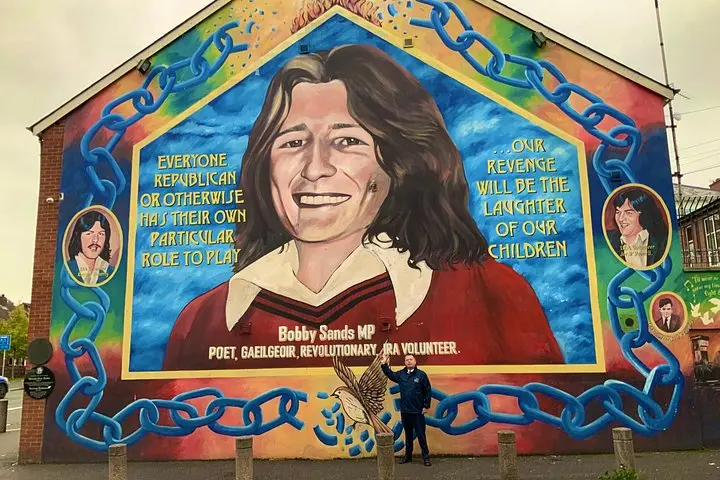
This full-day private route moves through both sides of Belfast’s community geography: the Catholic Falls Road and the Protestant Shankill Road, where painted murals mark political memory and local pride. The Titanic Quarter occupies industrial ground where RMS Titanic was designed; the modern museum reinterprets shipyard engineering and Belfast’s maritime economy. Across town, the Botanical Gardens and the listed Victorian Palm House offer a gentle contrast—broad lawns and glass curving over subtropical plants. Queen’s University frames students and stone facades; the Ulster Museum threads archaeology, art, and the story of the Troubles into public galleries.
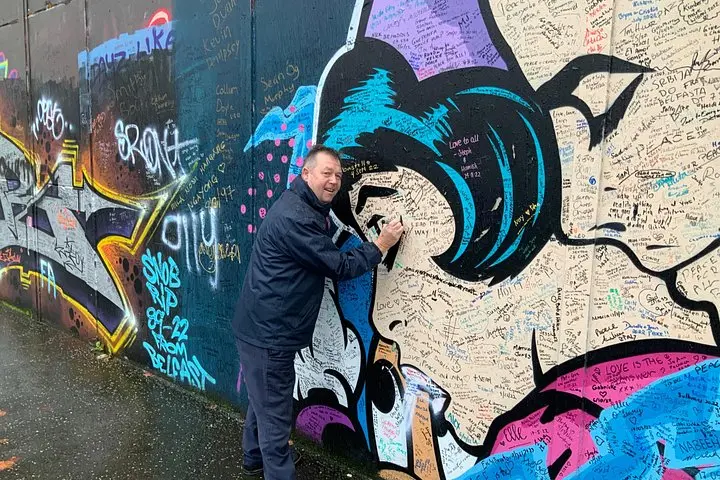
Geology and industry intersect here—glacial valleys shaped the Lagan course and made the shoreline attractive for shipbuilding, while nearby sandstone and basalt crops supply the city’s architecture. Cultural layers are visible in murals, memorials, and the Peace Walls that still echo recent conflict and ongoing reconciliation.
Practicalities: expect 9–10 hours including transport from Dublin, several short walks (mostly flat), and roughly 1–3 hours at self-guided exhibits like Titanic Belfast. Carry a photo ID (border crossing between the Republic and Northern Ireland is generally informal but be prepared), local currency (GBP), and a rain layer. Plan for 1–1.5 hours of walking shoes, intermittent standing, and some free time for lunch in Belfast city center. The private format means flexible pacing—ask your driver-guide to tailor stops if you need more time at a site.
Border controls are minimal; however, bring a passport or government photo ID to be safe—requirements can change and some drivers may request ID for bookings.
This tour lists the Titanic Quarter visit as self-guided; check whether museum admission is included in your booking or plan to purchase tickets on arrival or pre-book online.
Walking is light to moderate—several stops include 20–60 minute walks in gardens, university grounds and museum spaces; most transit between sites is by minibus.
The tour is marked physically easy and stroller-friendly, but notify the operator about mobility needs so they can adjust stops and provide closer drop-offs where possible.
Setanta Chauffeur Tours operates guided outdoor trips and adventures with an emphasis on safety, stewardship, and memorable experiences.
You leave Dublin before dawn in an air-conditioned minibus, the motorway folding behind you as the River Lagan waits like a slow-moving guide at the edge of the city. Arriving in Belfast feels immediate—brick docks, the towering Harland & Wolff cranes, and streets where murals argue their histories in bold color.
You leave Dublin before dawn in an air-conditioned minibus, the motorway folding behind you as the River Lagan waits like a slow-moving guide at the edge of the city. Arriving in Belfast feels immediate—brick docks, the towering Harland & Wolff cranes, and streets where murals argue their histories in bold color.
This full-day private route moves through both sides of Belfast’s community geography: the Catholic Falls Road and the Protestant Shankill Road, where painted murals mark political memory and local pride. The Titanic Quarter occupies industrial ground where RMS Titanic was designed; the modern museum reinterprets shipyard engineering and Belfast’s maritime economy. Across town, the Botanical Gardens and the listed Victorian Palm House offer a gentle contrast—broad lawns and glass curving over subtropical plants. Queen’s University frames students and stone facades; the Ulster Museum threads archaeology, art, and the story of the Troubles into public galleries.
Geology and industry intersect here—glacial valleys shaped the Lagan course and made the shoreline attractive for shipbuilding, while nearby sandstone and basalt crops supply the city’s architecture. Cultural layers are visible in murals, memorials, and the Peace Walls that still echo recent conflict and ongoing reconciliation.
Practicalities: expect 9–10 hours including transport from Dublin, several short walks (mostly flat), and roughly 1–3 hours at self-guided exhibits like Titanic Belfast. Carry a photo ID (border crossing between the Republic and Northern Ireland is generally informal but be prepared), local currency (GBP), and a rain layer. Plan for 1–1.5 hours of walking shoes, intermittent standing, and some free time for lunch in Belfast city center. The private format means flexible pacing—ask your driver-guide to tailor stops if you need more time at a site.