
Day Hike on Mount Kilimanjaro: Marangu Route to Mandara Hut (Maundi Crater View)
A one-day ascent on Kilimanjaro’s Marangu Route to Mandara Hut delivers rainforest trails, blue monkeys, and a short scramble to Maundi Crater rim with sweeping views of Kibo. Ideal for fit travelers seeking a high-altitude taste of the mountain without camping overnight.
An Adventure In Moshi.
A one-day ascent on Kilimanjaro’s Marangu Route to Mandara Hut delivers rainforest trails, blue monkeys, and a short scramble to Maundi Crater rim with sweeping views of Kibo. Ideal for fit travelers seeking a high-altitude taste of the mountain without camping overnight.
Read the full experience
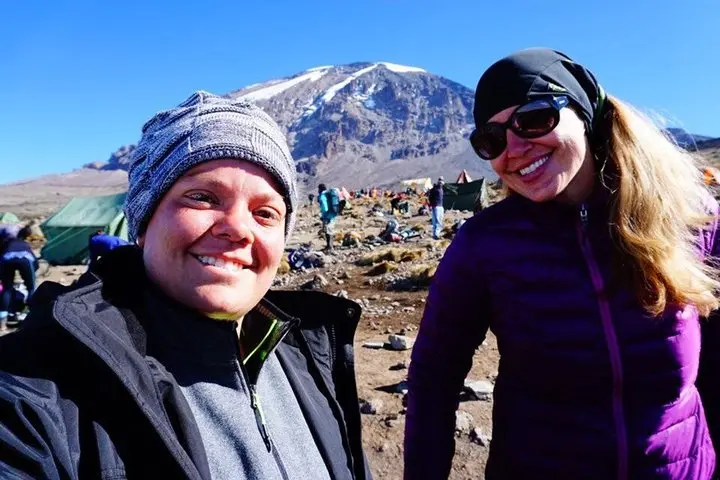
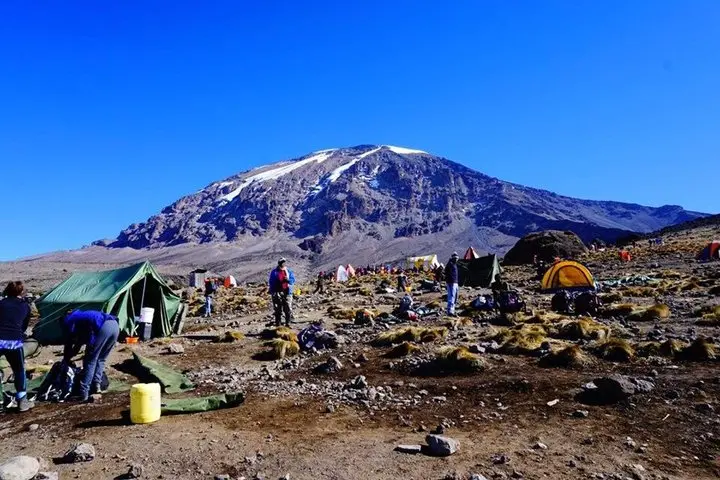
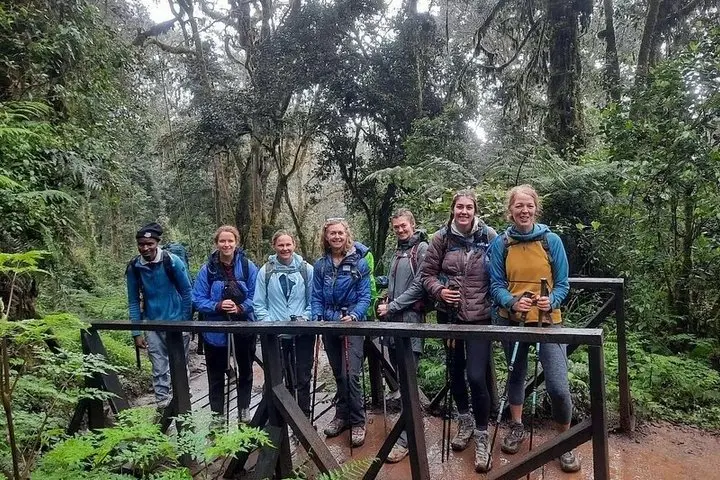
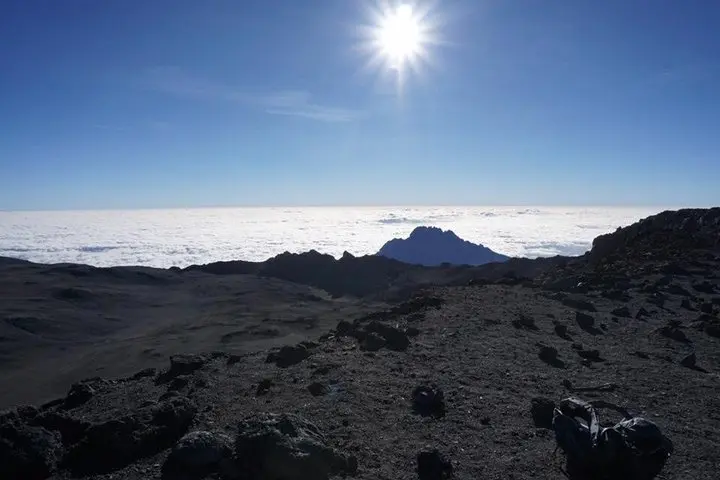
You leave Moshi before sunrise, the air cool and damp as the minibus eats the switchbacks toward Marangu Gate. The trail dives into a moss-draped montane rainforest where sunlight threads through giant lobelias and tree ferns, and blue monkeys watch from the canopy. After steady climbing you reach the clearings around Mandara Hut—lunch on a ridge, then a short side-trek to Maundi Crater rim where Kibo’s snow-capped bulk dominates the skyline on clear days.
You leave Moshi before sunrise, the air cool and damp as the minibus eats the switchbacks toward Marangu Gate. The trail dives into a moss-draped montane rainforest where sunlight threads through giant lobelias and tree ferns, and blue monkeys watch from the canopy. After steady climbing you reach the clearings around Mandara Hut—lunch on a ridge, then a short side-trek to Maundi Crater rim where Kibo’s snow-capped bulk dominates the skyline on clear days.
The Marangu Route is one of Kilimanjaro’s oldest tracks, historically used by the Chagga people and later by early European mountaineers. Geologically, the eastern flank you walk is part of Kilimanjaro’s eroded volcanic apron—ancient lava flows give way to the softer soils that support this lush cloud forest. Local culture remains visible in nearby villages: be ready to hear Swahili greetings and see banana terraces below the tree line.
Expect 800–1,000 m of elevation gain and 12–15 km round-trip on narrow, often muddy trails with rocky steps. Tropical showers are common; footwear with good grip and gaiters help. Guides handle permits and route logistics, but bring your own layered clothing, water (or purification), and snacks. Timing is everything—start early to avoid afternoon rain and to secure the best crater views. The day hike is an efficient, awe-inspiring slice of the “roof of Africa” for fit travelers who want altitude, forest, and panoramic vistas without an overnight on the mountain.
Frequently asked questions
Expect about 12–15 km round-trip with roughly 800–1,000 m of elevation gain from Marangu Gate to Mandara Hut and back.
Yes—Kilimanjaro National Park requires permits and guided registration; the operator handles permits and park fees for day hikes.
This hike is physically demanding and not recommended for those with heart, spinal, or serious medical conditions; children should be fit and supervised closely.
Blue monkeys, various forest birds (e.g., turacos), and occasionally small mammals; wildlife is most active during quieter morning hours.
About This Experience
Gracepatt Ecotours Kenya operates guided outdoor trips and adventures with an emphasis on safety, stewardship, and memorable experiences.
Adventure tips
Recommended gear
- Waterproof hiking boots: Provide traction on muddy, rooty rainforest trails and protect ankles on rocky steps.
- Lightweight rain jacket: Protects from frequent tropical showers in the cloud forest and higher winds near the crater.
- Trekking poles: Reduce knee strain on descent and improve stability on slippery sections.
- 2–3L hydration system and water treatment: Sufficient water is vital at altitude; treatment tablets or filter provide backup if refill opportunities are limited.
Photos of the experience
Related adventures & guides
Read the full experience
You leave Moshi before sunrise, the air cool and damp as the minibus eats the switchbacks toward Marangu Gate. The trail dives into a moss-draped montane rainforest where sunlight threads through giant lobelias and tree ferns, and blue monkeys watch from the canopy. After steady climbing you reach the clearings around Mandara Hut—lunch on a ridge, then a short side-trek to Maundi Crater rim where Kibo’s snow-capped bulk dominates the skyline on clear days.
You leave Moshi before sunrise, the air cool and damp as the minibus eats the switchbacks toward Marangu Gate. The trail dives into a moss-draped montane rainforest where sunlight threads through giant lobelias and tree ferns, and blue monkeys watch from the canopy. After steady climbing you reach the clearings around Mandara Hut—lunch on a ridge, then a short side-trek to Maundi Crater rim where Kibo’s snow-capped bulk dominates the skyline on clear days.
The Marangu Route is one of Kilimanjaro’s oldest tracks, historically used by the Chagga people and later by early European mountaineers. Geologically, the eastern flank you walk is part of Kilimanjaro’s eroded volcanic apron—ancient lava flows give way to the softer soils that support this lush cloud forest. Local culture remains visible in nearby villages: be ready to hear Swahili greetings and see banana terraces below the tree line.
Expect 800–1,000 m of elevation gain and 12–15 km round-trip on narrow, often muddy trails with rocky steps. Tropical showers are common; footwear with good grip and gaiters help. Guides handle permits and route logistics, but bring your own layered clothing, water (or purification), and snacks. Timing is everything—start early to avoid afternoon rain and to secure the best crater views. The day hike is an efficient, awe-inspiring slice of the “roof of Africa” for fit travelers who want altitude, forest, and panoramic vistas without an overnight on the mountain.
Make a day of it nearby.
Verified experiences and guided adventures in the surrounding area.