THE ADVENTURE COLLECTIVE® · Independent discovery and booking for outdoor travel

A full-day trip from Krakow to Morskie Oko takes you into the High Tatras for a 9 km hike to one of Poland’s most photographed lakes. Expect steady climbs, alpine views, and variable weather—ideal for hikers with moderate fitness.
A full-day trip from Krakow to Morskie Oko takes you into the High Tatras for a 9 km hike to one of Poland’s most photographed lakes. Expect steady climbs, alpine views, and variable weather—ideal for hikers with moderate fitness.
The morning starts before sunrise on the drive south from Krakow, the van carving along roads as the Tatra range grows taller and darker on the horizon.
Verified experiences and guided adventures in the surrounding area.
Operated by ComFort Tours Cracow · Zakopane, Lesser Poland Voivodeship
The morning starts before sunrise on the drive south from Krakow, the van carving along roads as the Tatra range grows taller and darker on the horizon.
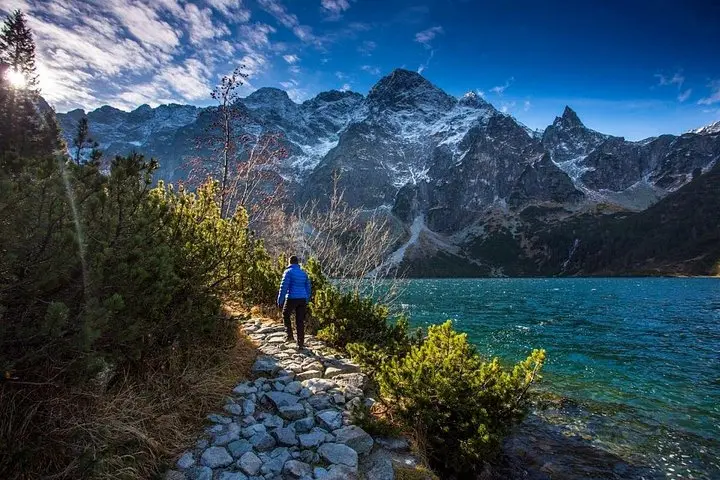
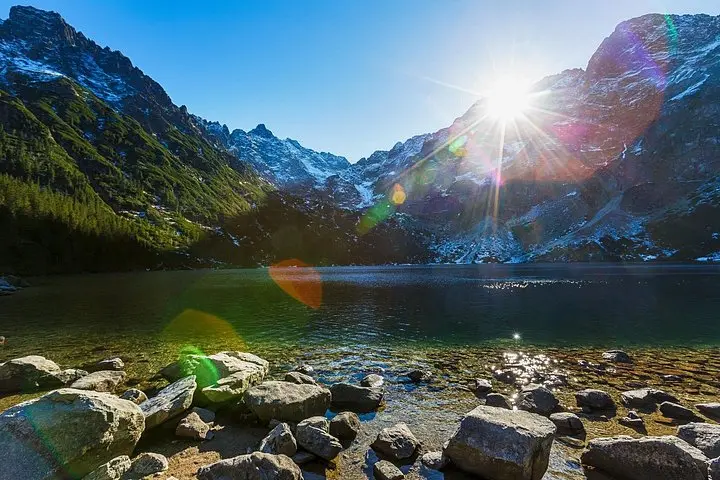
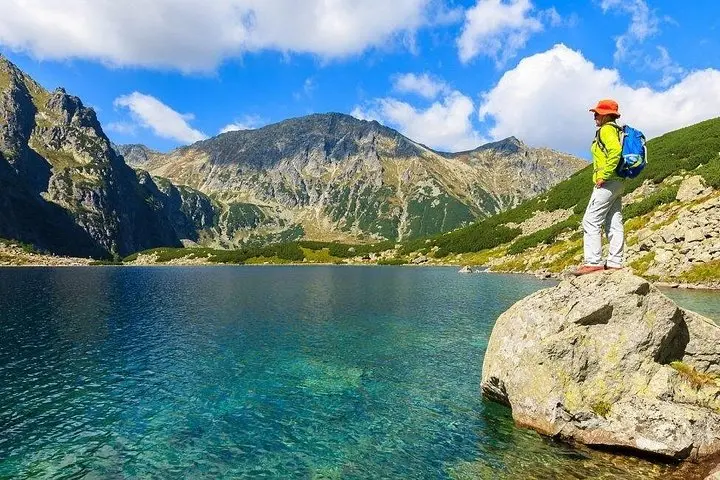
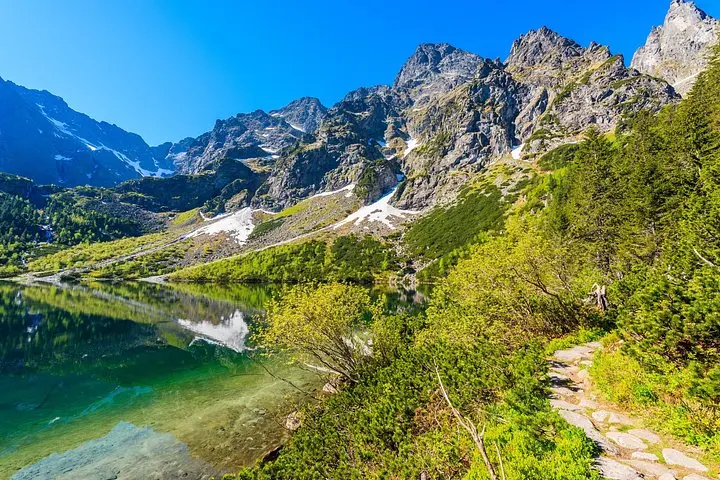
You arrive at the trailhead with the mist still clinging to the valley and begin a steady 9-kilometer walk toward Morskie Oko—Eye of the Sea—framed by craggy peaks that push above 2,000 meters. The path alternates between packed gravel and wooden boardwalks, corniced slopes and high-alpine meadows where streams dare you to cross on slick stones. The lake itself sits at about 1,395 m, its cold surface reflecting vertical ridgelines; on clear days the panorama feels like a geological cross-section of the High Tatras: folded metamorphic rock, glacial cirques, and moraine ridges.
This landscape has fed local culture for centuries: shepherding, mountain rescue traditions, and legends about the lake’s origins. The Polish Tatra National Park, established to protect these slopes, imposes fees and seasonal rules—respect closed routes during nesting or avalanche season. Expect a popular route with steady gradients rather than technical scrambling; the hike is as much about rhythm and exposure to weather as raw climbing.
Practical guidance: start early to avoid crowds and to secure parking, wear sturdy, waterproof boots with good grip, and layer for rapidly changing conditions. Carry at least 1.5 liters of water, snacks, and a basic first-aid kit. If you’re traveling from Krakow, plan on a full day—pickup and return add several hours—but the payoff is a vivid, accessible slice of the High Tatras that rewards steady pacing and respect for mountain weather.
The marked route from the main car park to Morskie Oko is roughly 9 km round-trip on gentler gradients, but this tour includes transfers from Krakow making it a full-day outing.
Portions are well-maintained, but the distance and some steady climbs mean it’s best for those used to walking several hours; check health limitations before booking.
No special permit is required for the trail itself, and this tour includes a guide; follow national park rules and pay any local entrance fees where required.
There are mountain huts and basic services near the lake during high season, but expect lines and limited hours; carry essentials if you prefer flexibility.
ComFort Tours Cracow operates guided outdoor trips and adventures with an emphasis on safety, stewardship, and memorable experiences.
The morning starts before sunrise on the drive south from Krakow, the van carving along roads as the Tatra range grows taller and darker on the horizon.
The morning starts before sunrise on the drive south from Krakow, the van carving along roads as the Tatra range grows taller and darker on the horizon.
You arrive at the trailhead with the mist still clinging to the valley and begin a steady 9-kilometer walk toward Morskie Oko—Eye of the Sea—framed by craggy peaks that push above 2,000 meters. The path alternates between packed gravel and wooden boardwalks, corniced slopes and high-alpine meadows where streams dare you to cross on slick stones. The lake itself sits at about 1,395 m, its cold surface reflecting vertical ridgelines; on clear days the panorama feels like a geological cross-section of the High Tatras: folded metamorphic rock, glacial cirques, and moraine ridges.
This landscape has fed local culture for centuries: shepherding, mountain rescue traditions, and legends about the lake’s origins. The Polish Tatra National Park, established to protect these slopes, imposes fees and seasonal rules—respect closed routes during nesting or avalanche season. Expect a popular route with steady gradients rather than technical scrambling; the hike is as much about rhythm and exposure to weather as raw climbing.
Practical guidance: start early to avoid crowds and to secure parking, wear sturdy, waterproof boots with good grip, and layer for rapidly changing conditions. Carry at least 1.5 liters of water, snacks, and a basic first-aid kit. If you’re traveling from Krakow, plan on a full day—pickup and return add several hours—but the payoff is a vivid, accessible slice of the High Tatras that rewards steady pacing and respect for mountain weather.