THE ADVENTURE COLLECTIVE® · Independent discovery and booking for outdoor travel

Short, accessible hike from Kathmandu to Namo Buddha’s hilltop monastery with valley views and living Buddhist culture. Ideal for travelers wanting a half-day escape into rural Nepal without technical trail demands.
Short, accessible hike from Kathmandu to Namo Buddha’s hilltop monastery with valley views and living Buddhist culture. Ideal for travelers wanting a half-day escape into rural Nepal without technical trail demands.
You crest a low ridge and the monastery appears—white walls and prayer flags snapping in a dry, highland wind. Below, terraced fields step down toward Panauti and Khopasi; beyond them the fluted ridgelines of the Kathmandu Valley roll away, clouds lifting off distant peaks.
Verified experiences and guided adventures in the surrounding area.
Operated by Breakfree Adventures Pvt. Ltd. · Panauti, Bagmati Province
You crest a low ridge and the monastery appears—white walls and prayer flags snapping in a dry, highland wind. Below, terraced fields step down toward Panauti and Khopasi; beyond them the fluted ridgelines of the Kathmandu Valley roll away, clouds lifting off distant peaks.
The route follows an old village track from medieval Panauti, passing farmland, small woodlands and compact settlements. Geologically this hillside is part of the Kathmandu Valley rim, composed of folded sedimentary layers uplifted by the same Himalayan forces that built the high peaks. Culturally the hilltop is defined by Thrangu Tashi Yangtse Monastery (established in the late 20th century) and the older stupa that marks the Namo Buddha legend—said to be the site where a Bodhisattva prince offered his body to a starving tigress.
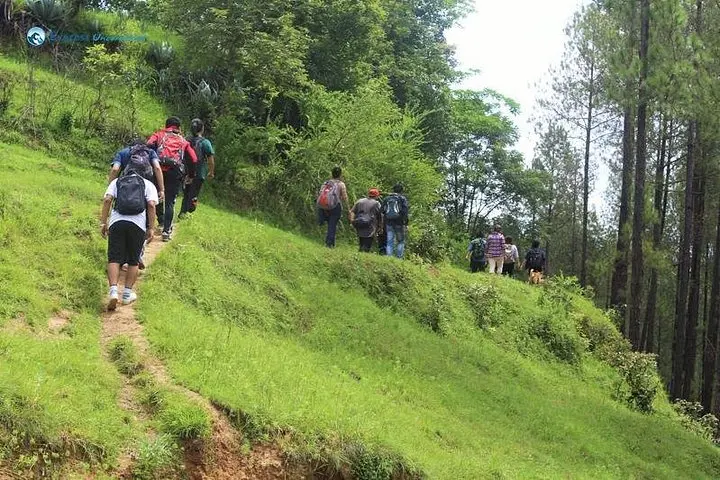
Expect a steady, well-trodden climb rather than technical terrain; the trail is a mix of packed earth, stone steps and short paved stretches through villages. The summit rewards you with shrine visits, monk school activity and extended valley views—good light in the morning or late afternoon.
Practical guidance: leave Kathmandu early to avoid traffic and midday haze, wear comfortable hiking shoes and a light layer for wind on the ridge, carry 1–1.5 liters of water and small local currency for tea or donations. The hike is short but exposed in places, so sun protection is useful. After the visit you return by private vehicle to Kathmandu the same day.
The walking portion is usually 1.5–2 hours round trip from Panauti village, with additional time at the monastery and for transfers.
Namo Buddha sits around 1,750 m—altitude effects are uncommon for visitors coming from Kathmandu (~1,400 m), but take it easy if you’re sensitive to elevation changes.
The standard tour includes transport and guide services; meals are not specified—there are local teahouses in Panauti and simple refreshments near the shrine.
Yes—operators commonly allow children (age minimums vary) but ensure young walkers are prepared for steps and short uphill stretches.
Breakfree Adventures Pvt. Ltd. operates guided outdoor trips and adventures with an emphasis on safety, stewardship, and memorable experiences.
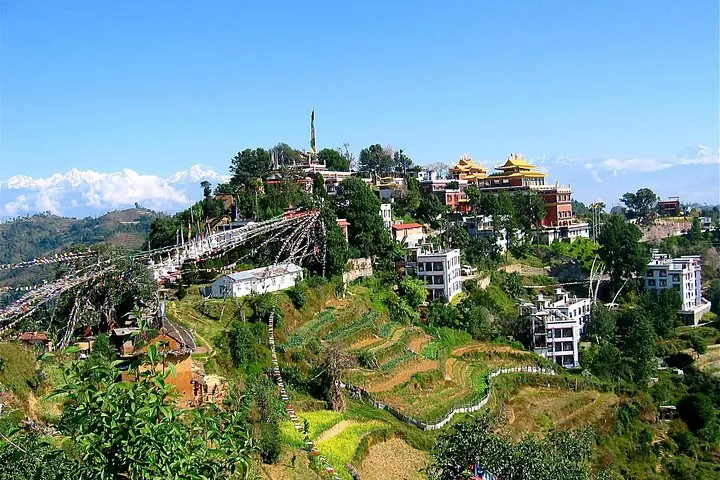
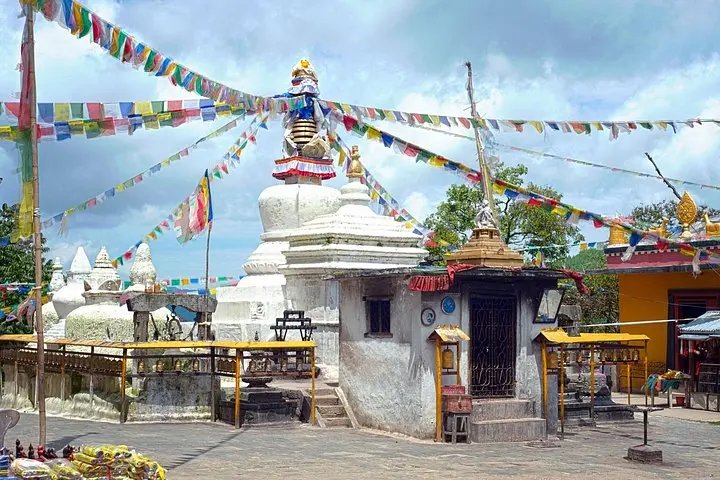
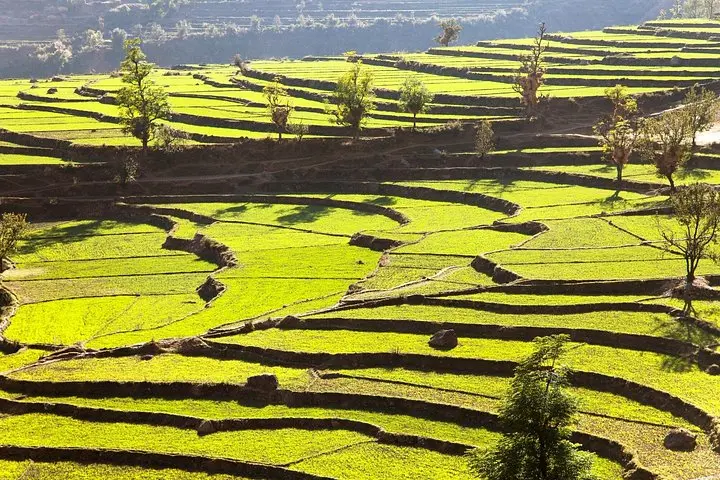
You crest a low ridge and the monastery appears—white walls and prayer flags snapping in a dry, highland wind. Below, terraced fields step down toward Panauti and Khopasi; beyond them the fluted ridgelines of the Kathmandu Valley roll away, clouds lifting off distant peaks.
You crest a low ridge and the monastery appears—white walls and prayer flags snapping in a dry, highland wind. Below, terraced fields step down toward Panauti and Khopasi; beyond them the fluted ridgelines of the Kathmandu Valley roll away, clouds lifting off distant peaks.
The route follows an old village track from medieval Panauti, passing farmland, small woodlands and compact settlements. Geologically this hillside is part of the Kathmandu Valley rim, composed of folded sedimentary layers uplifted by the same Himalayan forces that built the high peaks. Culturally the hilltop is defined by Thrangu Tashi Yangtse Monastery (established in the late 20th century) and the older stupa that marks the Namo Buddha legend—said to be the site where a Bodhisattva prince offered his body to a starving tigress.
Expect a steady, well-trodden climb rather than technical terrain; the trail is a mix of packed earth, stone steps and short paved stretches through villages. The summit rewards you with shrine visits, monk school activity and extended valley views—good light in the morning or late afternoon.
Practical guidance: leave Kathmandu early to avoid traffic and midday haze, wear comfortable hiking shoes and a light layer for wind on the ridge, carry 1–1.5 liters of water and small local currency for tea or donations. The hike is short but exposed in places, so sun protection is useful. After the visit you return by private vehicle to Kathmandu the same day.