THE ADVENTURE COLLECTIVE® · Independent discovery and booking for outdoor travel

Float the Perfume River, walk the gates of the Imperial City, and taste dishes shaped by royal kitchens — all in a private, full-day loop through Hue’s living history. This guided tour pairs cultural storytelling with relaxed river time and a local lunch.
Float the Perfume River, walk the gates of the Imperial City, and taste dishes shaped by royal kitchens — all in a private, full-day loop through Hue’s living history. This guided tour pairs cultural storytelling with relaxed river time and a local lunch.
Dawn opens over the Perfume River and the city exhales: sampans skim the glassy surface, and the river seems to invite you forward, carrying centuries of incense and story. You step onto a dragon boat and the wake pushes you past low riverbanks, the Thien Mu Pagoda spire rising like an old guardian, while the Citadel’s red walls slow-unfurl their history behind banyan trees.
Verified experiences and guided adventures in the surrounding area.
Operated by Local guide in Da Nang city, Vietnam · Hue, Thua Thien-Hue
Dawn opens over the Perfume River and the city exhales: sampans skim the glassy surface, and the river seems to invite you forward, carrying centuries of incense and story. You step onto a dragon boat and the wake pushes you past low riverbanks, the Thien Mu Pagoda spire rising like an old guardian, while the Citadel’s red walls slow-unfurl their history behind banyan trees.
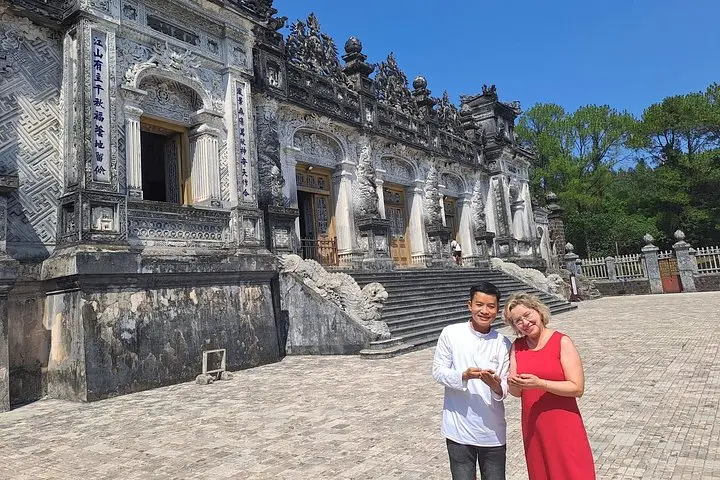
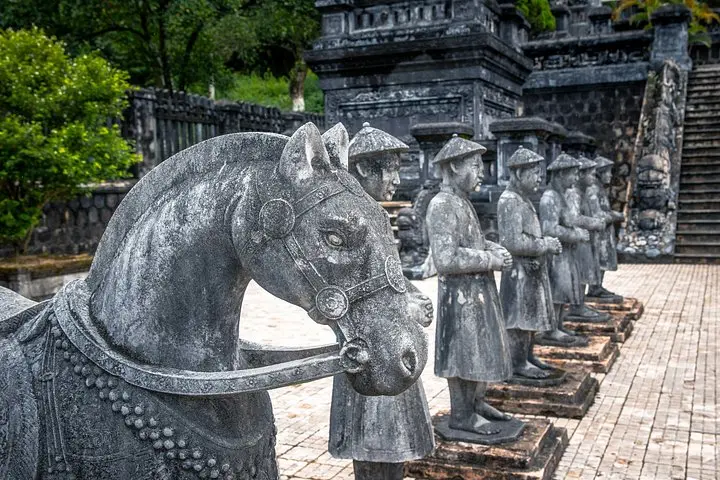
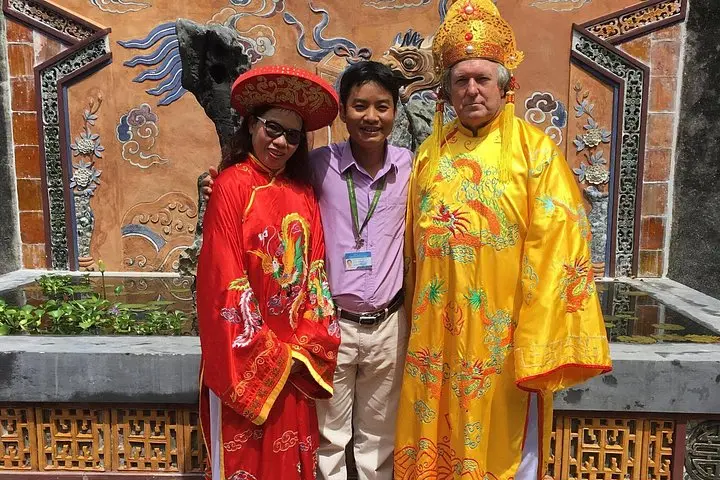
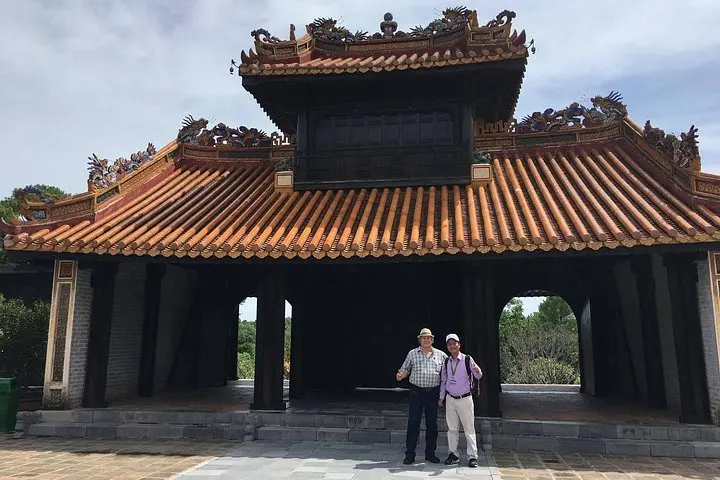
Hue was the seat of the Nguyễn emperors from the early 19th century until the mid-20th; the Imperial City and Forbidden Purple City are physical maps of royal protocol, ritual space, and ceremony. Geologically, Hue sits on a flat coastal plain fed by the Perfume River’s alluvial sediments, which helped sustain rice fields and the city’s distinctive gardens. Culture here centers on refinement — cuisine shaped by court tastes, Buddhist pagodas that still ring morning bells, and craft villages producing conical hats and incense.
Practically, this is a full-day, private loop: a guided walk through the Citadel, a short stop at the Nine Urns, a gentle dragon-boat glide, and time at Thien Mu before a seated lunch of Hue classics. Expect river breezes, humid heat, and many steps and shaded pathways. Carry modest clothing for religious sites, cash for small vendors, and a camera with spare battery; audio from a guide will deepen the stories. Aim for an early start to catch softer light and fewer crowds, and allow time to savor the local food — each course is a piece of the city’s map.
Yes — the tour includes air-conditioned vehicle transfers between sites as part of the full-day private itinerary.
Admission tickets to included attractions such as the Imperial City and tombs are provided with the tour.
Local lunch is included; notify the operator at booking about allergies or dietary needs so alternatives can be arranged.
Dragon boats involve low gangways and brief steps; travelers with limited mobility should advise the operator in advance to discuss access and alternative arrangements.
Local guide in Da Nang city, Vietnam operates guided outdoor trips and adventures with an emphasis on safety, stewardship, and memorable experiences.
Dawn opens over the Perfume River and the city exhales: sampans skim the glassy surface, and the river seems to invite you forward, carrying centuries of incense and story. You step onto a dragon boat and the wake pushes you past low riverbanks, the Thien Mu Pagoda spire rising like an old guardian, while the Citadel’s red walls slow-unfurl their history behind banyan trees.
Dawn opens over the Perfume River and the city exhales: sampans skim the glassy surface, and the river seems to invite you forward, carrying centuries of incense and story. You step onto a dragon boat and the wake pushes you past low riverbanks, the Thien Mu Pagoda spire rising like an old guardian, while the Citadel’s red walls slow-unfurl their history behind banyan trees.
Hue was the seat of the Nguyễn emperors from the early 19th century until the mid-20th; the Imperial City and Forbidden Purple City are physical maps of royal protocol, ritual space, and ceremony. Geologically, Hue sits on a flat coastal plain fed by the Perfume River’s alluvial sediments, which helped sustain rice fields and the city’s distinctive gardens. Culture here centers on refinement — cuisine shaped by court tastes, Buddhist pagodas that still ring morning bells, and craft villages producing conical hats and incense.
Practically, this is a full-day, private loop: a guided walk through the Citadel, a short stop at the Nine Urns, a gentle dragon-boat glide, and time at Thien Mu before a seated lunch of Hue classics. Expect river breezes, humid heat, and many steps and shaded pathways. Carry modest clothing for religious sites, cash for small vendors, and a camera with spare battery; audio from a guide will deepen the stories. Aim for an early start to catch softer light and fewer crowds, and allow time to savor the local food — each course is a piece of the city’s map.