THE ADVENTURE COLLECTIVE® · Independent discovery and booking for outdoor travel

Spend a full morning and afternoon exploring Arusha National Park on a shared 6‑hour safari. Expect close birdlife at Momella Lakes, crater rims with grazing herbivores, guided walking sections and a classic pop‑up 4x4 game drive.
Spend a full morning and afternoon exploring Arusha National Park on a shared 6‑hour safari. Expect close birdlife at Momella Lakes, crater rims with grazing herbivores, guided walking sections and a classic pop‑up 4x4 game drive.
You step from the jeep into a stretch of grassland where the wind moves like a low conversation and the distant flank of Mount Meru presses the sky. Early light ignites the Momella Lakes into bands of color; flamingos pick at the shallows while buffalo graze along the crater edges. The park’s compact scale means the landscape shifts quickly — forested slopes, crater rims, alkaline lakes — and every turn can change the day’s cast of wildlife.
Verified experiences and guided adventures in the surrounding area.
Operated by Serengeti Safari Booking · Arusha, Arusha Region
You step from the jeep into a stretch of grassland where the wind moves like a low conversation and the distant flank of Mount Meru presses the sky. Early light ignites the Momella Lakes into bands of color; flamingos pick at the shallows while buffalo graze along the crater edges. The park’s compact scale means the landscape shifts quickly — forested slopes, crater rims, alkaline lakes — and every turn can change the day’s cast of wildlife.
Arusha National Park was designated in the mid-20th century to protect these volcanic features and the corridor between highland forest and lowland plains. Geology dictates the trip: Meru’s volcanic slopes feed rivers and crater basins, while the shallow Momella Lakes create salty flats that beckon waders. Culturally, the route skirts Maasai grazing areas and Arusha town, where conservation and community tourism intersect.
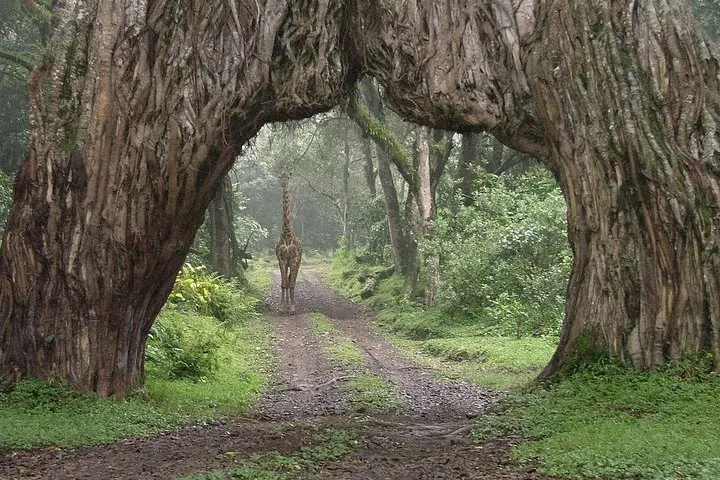
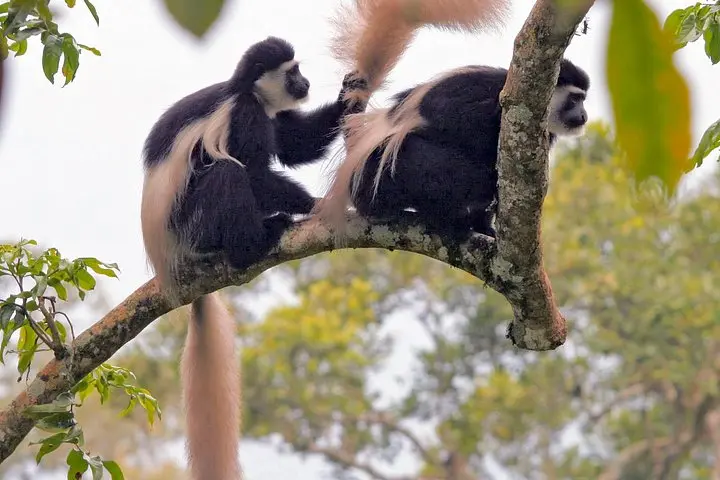
On a joined-group day you’ll mix game drive and short guided walks, a practical format for photographers and first-time safari-goers. Expect sightings of giraffe, buffalo, zebra, colobus and troops of monkeys; lions and leopards are present but less commonly seen. Birders will find over 400 species recorded here.
Practical guidance: start early to catch wildlife activity and cooler temps, bring binoculars and a layer for changing elevations, and carry refillable water — the park enforces stay-on-track rules to protect fragile habitat. Lunch is typically a picnic at a designated site before an afternoon return to Arusha city. The loop is short but rich: move deliberately and let the landscape direct your pace.
The shared day safari runs about 6 hours, typically an early morning pickup and an afternoon return to Arusha.
Arusha National Park is rich in wildlife and you can see elephants, buffalo and lions, but sightings of leopards are rare; large mammal encounters are never guaranteed on a single day trip.
The experience is family‑friendly but involves open 4x4 seating and short walks; vehicles and transfers are listed as wheelchair accessible, but discuss individual needs with the operator before booking.
Park entry fees and vehicle permits are included by most operators; confirm inclusions beforehand and carry identification for checkout at park gate.
Serengeti Safari Booking operates guided outdoor trips and adventures with an emphasis on safety, stewardship, and memorable experiences.
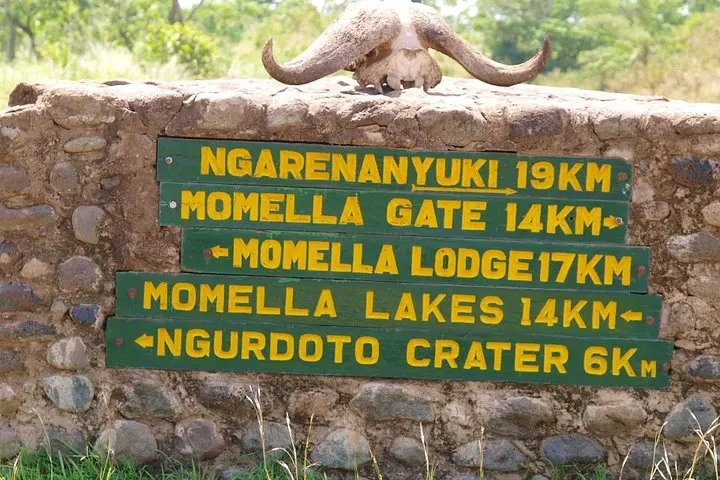
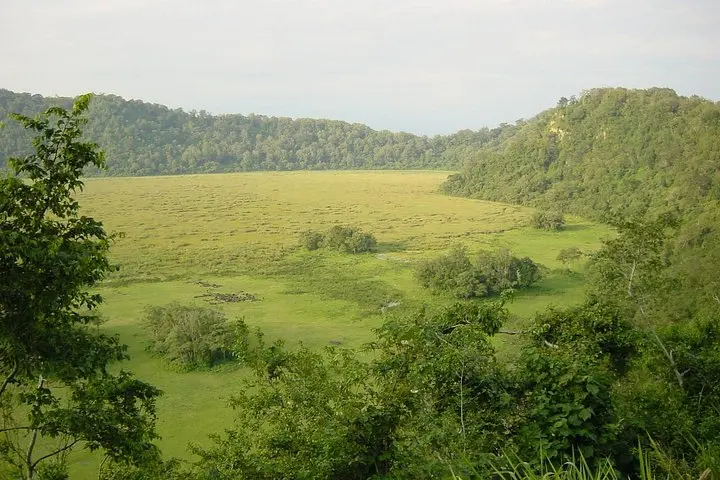
You step from the jeep into a stretch of grassland where the wind moves like a low conversation and the distant flank of Mount Meru presses the sky. Early light ignites the Momella Lakes into bands of color; flamingos pick at the shallows while buffalo graze along the crater edges. The park’s compact scale means the landscape shifts quickly — forested slopes, crater rims, alkaline lakes — and every turn can change the day’s cast of wildlife.
You step from the jeep into a stretch of grassland where the wind moves like a low conversation and the distant flank of Mount Meru presses the sky. Early light ignites the Momella Lakes into bands of color; flamingos pick at the shallows while buffalo graze along the crater edges. The park’s compact scale means the landscape shifts quickly — forested slopes, crater rims, alkaline lakes — and every turn can change the day’s cast of wildlife.
Arusha National Park was designated in the mid-20th century to protect these volcanic features and the corridor between highland forest and lowland plains. Geology dictates the trip: Meru’s volcanic slopes feed rivers and crater basins, while the shallow Momella Lakes create salty flats that beckon waders. Culturally, the route skirts Maasai grazing areas and Arusha town, where conservation and community tourism intersect.
On a joined-group day you’ll mix game drive and short guided walks, a practical format for photographers and first-time safari-goers. Expect sightings of giraffe, buffalo, zebra, colobus and troops of monkeys; lions and leopards are present but less commonly seen. Birders will find over 400 species recorded here.
Practical guidance: start early to catch wildlife activity and cooler temps, bring binoculars and a layer for changing elevations, and carry refillable water — the park enforces stay-on-track rules to protect fragile habitat. Lunch is typically a picnic at a designated site before an afternoon return to Arusha city. The loop is short but rich: move deliberately and let the landscape direct your pace.