THE ADVENTURE COLLECTIVE® · Independent discovery and booking for outdoor travel

A half‑day guided meditation tour to Asura Cave, a sacred site south of Kathmandu linked to Guru Padmasambhava. Enjoy short hikes, guided contemplative practice and temple visits with hotel pickup included.
A half‑day guided meditation tour to Asura Cave, a sacred site south of Kathmandu linked to Guru Padmasambhava. Enjoy short hikes, guided contemplative practice and temple visits with hotel pickup included.
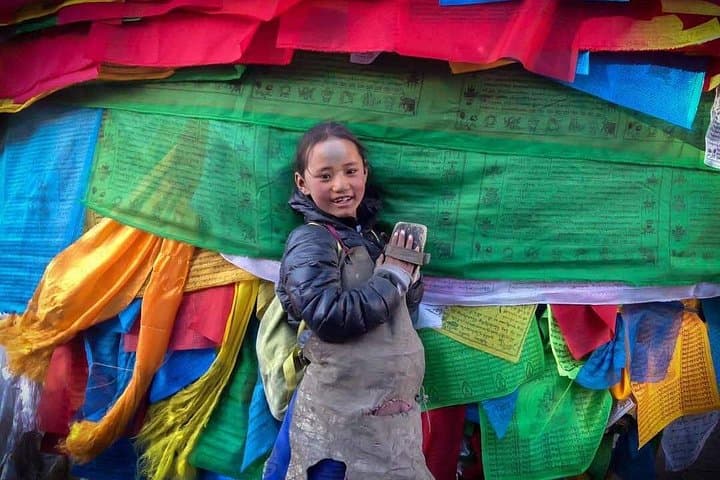
You step out of the car onto a dry slope south of the Kathmandu Valley and the city noise drops behind you; prayer flags snap in the wind and a narrow stone stair bends into the hillside. The approach to Asura Cave is immediate — compact stairs, a few switchbacks and cliffside shrines that mark a place people have come to sit and listen for centuries.
Verified experiences and guided adventures in the surrounding area.
Operated by Nepal Spiritual Trekking P Ltd · Pharping, Kathmandu District
You step out of the car onto a dry slope south of the Kathmandu Valley and the city noise drops behind you; prayer flags snap in the wind and a narrow stone stair bends into the hillside. The approach to Asura Cave is immediate — compact stairs, a few switchbacks and cliffside shrines that mark a place people have come to sit and listen for centuries.
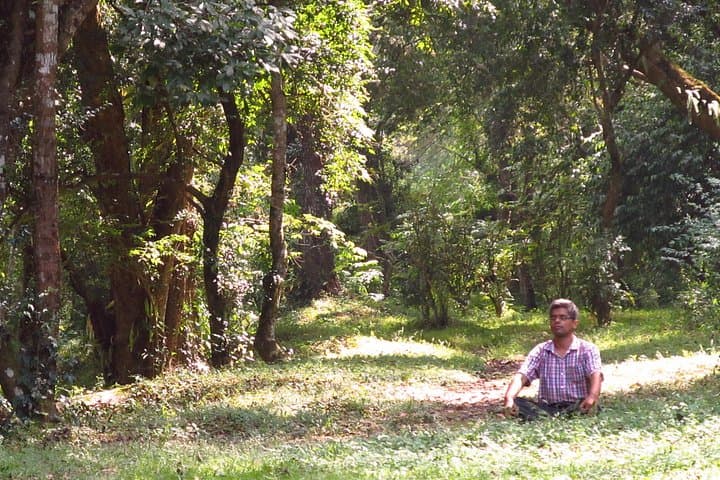
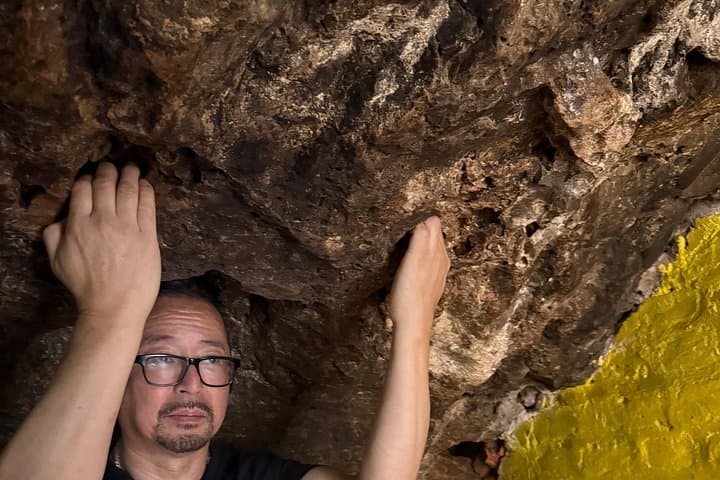
Asura Cave is linked in local tradition to Guru Padmasambhava (Guru Rinpoche), the eighth‑century tantric master credited with bringing Vajrayana teachings to the region. The cave itself occupies a limestone outcrop on the southern rim of the valley; the geology is steep, rocky ground with carved niches, small alcoves and sheltered chambers that concentrate sound and light, making it easy to slip into a meditative focus.
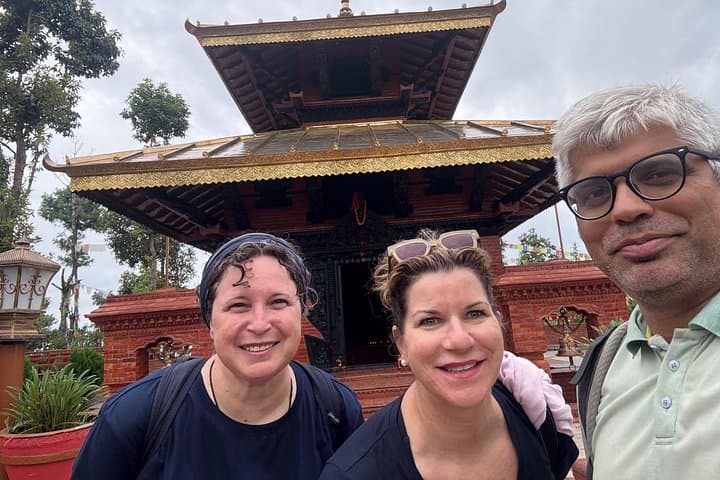
Culturally the site remains active: pilgrims bring butter lamps and small offerings, and the rhythm of chanting can intersect with solo meditation. The tour combines quiet practice with short guided walks to nearby shrines, giving context on symbolism, modest local lore and respectful behavior expected at holy sites.
Practically, expect a mostly short but uneven hike — roughly 1 km round‑trip with ~100 m of elevation gain over stone steps and compact dirt paths. The full experience is a half‑day (4–6 hours including pickup), with hotel transfer included. Wear grippy shoes, layers for wind and sun, and plan to move slowly near shrines. Hydrate before you go, bring a small daypack, and be prepared to remove shoes inside sacred spaces. For travelers who want contemplative time without technical hiking, this tour offers accessible solitude and a direct link to Himalayan Buddhist practice.
The on‑foot portion is short—about 1 km round‑trip with roughly 100 m elevation gain; allow 30–60 minutes for the approach depending on pace and stops.
Yes—children over 5 and beginners can join, but the operator requires a minimum of two people per booking and the route includes uneven stone steps.
Shoes should be removed in inner shrine areas; your guide will indicate where to take them off and how to behave respectfully.
Hotel pickup and drop‑off from central Kathmandu is included; confirm your exact pickup point when you book.
Nepal Spiritual Trekking P Ltd operates guided outdoor trips and adventures with an emphasis on safety, stewardship, and memorable experiences.
You step out of the car onto a dry slope south of the Kathmandu Valley and the city noise drops behind you; prayer flags snap in the wind and a narrow stone stair bends into the hillside. The approach to Asura Cave is immediate — compact stairs, a few switchbacks and cliffside shrines that mark a place people have come to sit and listen for centuries.
You step out of the car onto a dry slope south of the Kathmandu Valley and the city noise drops behind you; prayer flags snap in the wind and a narrow stone stair bends into the hillside. The approach to Asura Cave is immediate — compact stairs, a few switchbacks and cliffside shrines that mark a place people have come to sit and listen for centuries.
Asura Cave is linked in local tradition to Guru Padmasambhava (Guru Rinpoche), the eighth‑century tantric master credited with bringing Vajrayana teachings to the region. The cave itself occupies a limestone outcrop on the southern rim of the valley; the geology is steep, rocky ground with carved niches, small alcoves and sheltered chambers that concentrate sound and light, making it easy to slip into a meditative focus.
Culturally the site remains active: pilgrims bring butter lamps and small offerings, and the rhythm of chanting can intersect with solo meditation. The tour combines quiet practice with short guided walks to nearby shrines, giving context on symbolism, modest local lore and respectful behavior expected at holy sites.
Practically, expect a mostly short but uneven hike — roughly 1 km round‑trip with ~100 m of elevation gain over stone steps and compact dirt paths. The full experience is a half‑day (4–6 hours including pickup), with hotel transfer included. Wear grippy shoes, layers for wind and sun, and plan to move slowly near shrines. Hydrate before you go, bring a small daypack, and be prepared to remove shoes inside sacred spaces. For travelers who want contemplative time without technical hiking, this tour offers accessible solitude and a direct link to Himalayan Buddhist practice.