THE ADVENTURE COLLECTIVE® · Independent discovery and booking for outdoor travel

Spend a full day chasing wide skies and big game at Akagera National Park. This vehicle-based safari mixes savannah drives, lake boat trips, and conservation history a two-hour drive east of Kigali.
Spend a full day chasing wide skies and big game at Akagera National Park. This vehicle-based safari mixes savannah drives, lake boat trips, and conservation history a two-hour drive east of Kigali.
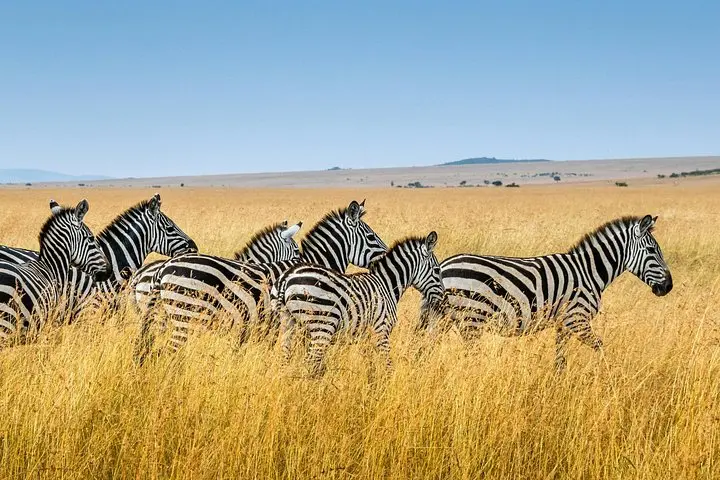
A dusty 4x4 threads through golden grass as the Mutumba hills hold the skyline; to the east, papyrus-fringed lakes flash like mirrors. Early light maps out islands of hippo foam and the slow silhouettes of grazing antelope. That first hour sets the rhythm: patient watching, sudden motion, and wide, open horizons.
Verified experiences and guided adventures in the surrounding area.
Operated by Elena Safaris · Kayonza, Eastern Province
A dusty 4x4 threads through golden grass as the Mutumba hills hold the skyline; to the east, papyrus-fringed lakes flash like mirrors. Early light maps out islands of hippo foam and the slow silhouettes of grazing antelope. That first hour sets the rhythm: patient watching, sudden motion, and wide, open horizons.
Akagera occupies Rwanda’s eastern plateau, a protected savannah that complements the montane forests of Nyungwe and the alpine slopes of the Virungas. Geologically, the park is a lowland basin punctuated by rocky ridges; the Mutumba hills reach near 2,000 meters and offer sweeping views over Lake Ihema and Central Africa’s largest papyrus wetland. The recent conservation story is crucial here — African Parks’ partnership with the Rwanda Development Board reintroduced lions and rhinos and rebuilt anti-poaching efforts, turning decline into recovery.
On a typical day tour expect a mix of game drives across savannah tracks, a possible boat ride on Lake Ihema, and a picnic or lodge lunch. Wildlife viewing favors early morning or late afternoon; midday is best for shoreline birds and hippo. Roads range from hard-packed tracks to rutted laterite, so vehicle-based sightseeing is the norm rather than walking safaris.
Practical tips: start before sunrise for active predators, wear neutral, quiet clothing, bring binoculars and layered sun protection, and carry water and insect repellent. Respect ranger guidance, stay on tracks, and budget time for the two-hour drive from Kigali — the journey is part of the day’s terrain.
The drive is roughly two hours each way from Kigali depending on traffic and road conditions, so allow extra time for checkpoints and stops.
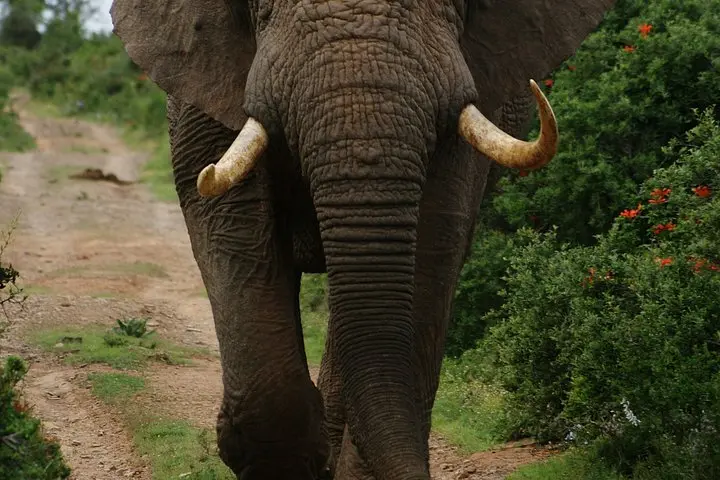
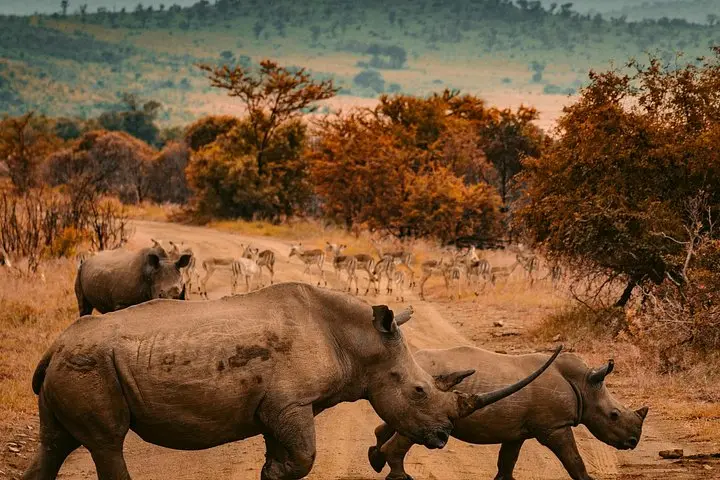
Akagera now hosts several Big Five species through reintroduction programs—elephant, buffalo, lion and recently rhinos—sightings aren’t guaranteed but are possible on a full-day game drive.
Yes; game drives are family-friendly and many vehicles can accommodate infants and basic wheelchair access, but check with operators for specific vehicle adaptations.
Boat trips (often on Lake Ihema) are commonly available to view hippos, crocodiles, and waterbirds; inclusion varies by operator so confirm at booking.
Elena Safaris operates guided outdoor trips and adventures with an emphasis on safety, stewardship, and memorable experiences.
A dusty 4x4 threads through golden grass as the Mutumba hills hold the skyline; to the east, papyrus-fringed lakes flash like mirrors. Early light maps out islands of hippo foam and the slow silhouettes of grazing antelope. That first hour sets the rhythm: patient watching, sudden motion, and wide, open horizons.
A dusty 4x4 threads through golden grass as the Mutumba hills hold the skyline; to the east, papyrus-fringed lakes flash like mirrors. Early light maps out islands of hippo foam and the slow silhouettes of grazing antelope. That first hour sets the rhythm: patient watching, sudden motion, and wide, open horizons.
Akagera occupies Rwanda’s eastern plateau, a protected savannah that complements the montane forests of Nyungwe and the alpine slopes of the Virungas. Geologically, the park is a lowland basin punctuated by rocky ridges; the Mutumba hills reach near 2,000 meters and offer sweeping views over Lake Ihema and Central Africa’s largest papyrus wetland. The recent conservation story is crucial here — African Parks’ partnership with the Rwanda Development Board reintroduced lions and rhinos and rebuilt anti-poaching efforts, turning decline into recovery.
On a typical day tour expect a mix of game drives across savannah tracks, a possible boat ride on Lake Ihema, and a picnic or lodge lunch. Wildlife viewing favors early morning or late afternoon; midday is best for shoreline birds and hippo. Roads range from hard-packed tracks to rutted laterite, so vehicle-based sightseeing is the norm rather than walking safaris.
Practical tips: start before sunrise for active predators, wear neutral, quiet clothing, bring binoculars and layered sun protection, and carry water and insect repellent. Respect ranger guidance, stay on tracks, and budget time for the two-hour drive from Kigali — the journey is part of the day’s terrain.