THE ADVENTURE COLLECTIVE® · Independent discovery and booking for outdoor travel

Drive into Tarangire’s river corridor and watch elephants, zebra and giraffe gather beneath baobabs. This one-day safari pairs concentrated game viewing with rich birdlife and stark East African Rift landscapes.
Drive into Tarangire’s river corridor and watch elephants, zebra and giraffe gather beneath baobabs. This one-day safari pairs concentrated game viewing with rich birdlife and stark East African Rift landscapes.
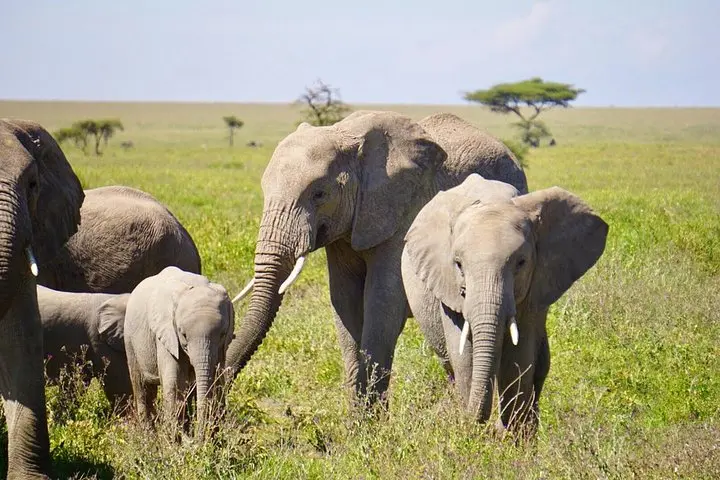
The truck rolls onto a dusty track and the plain opens: a ribbon of green—Tarangire River—threading through grasslands where elephants gather like weathered boats under baobabs. The air smells of dust and dry grass; trunks lift and trunks sway as herds move with deliberate curiosity, the landscape watching back.
Verified experiences and guided adventures in the surrounding area.
Operated by Twende Africa Tours · Tarangire National Park, Manyara Region
The truck rolls onto a dusty track and the plain opens: a ribbon of green—Tarangire River—threading through grasslands where elephants gather like weathered boats under baobabs. The air smells of dust and dry grass; trunks lift and trunks sway as herds move with deliberate curiosity, the landscape watching back.
Tarangire sits southeast of Lake Manyara within the East African Rift corridor. Its shallow river and seasonal floodplain create a wildlife magnet, especially during the dry months when animals concentrate near water. The park’s blackened volcanic soils, grassy floodplains and scattering of ancient baobab trees give it a distinct, open character different from nearby highland forests. Maasai communities have grazed these lands for generations; you’ll see their influence in grazing patterns and occasional traditional homesteads seen from the main routes.
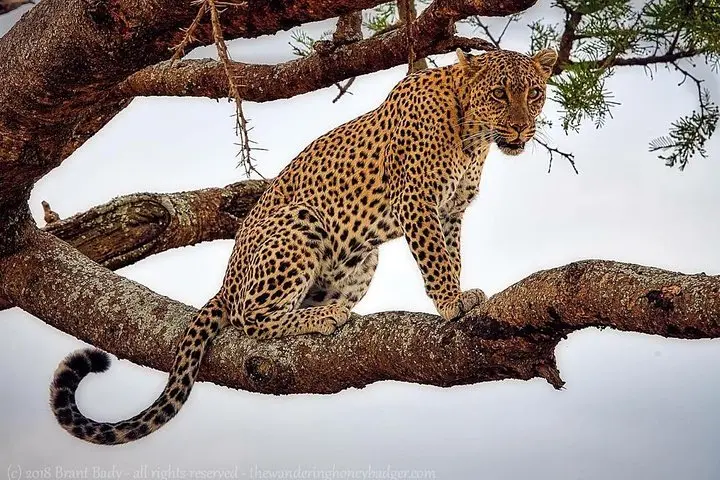
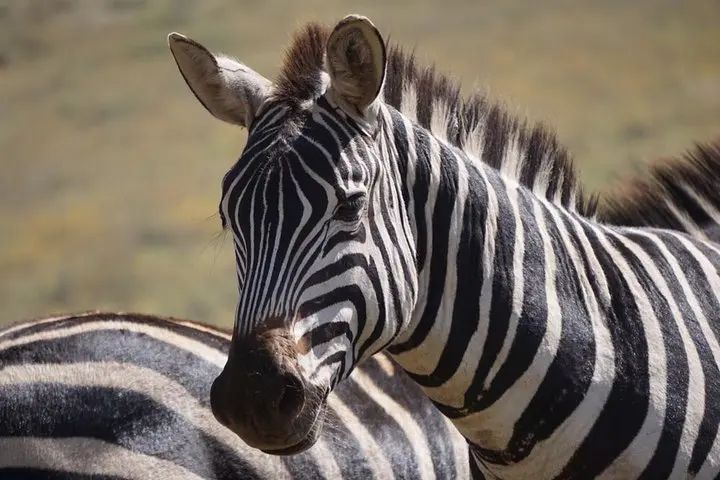
On a one-day drive you should expect focused game-viewing from a vehicle: large herds of elephants, zebra and wildebeest, giraffe browsing acacia, and small herds of kudu and impala. Predators—lions and, less frequently, leopards—use the riverine cover, and birdlife explodes in the wet season.
Practicalities: tours typically run 3–5 hours on the reserve, include private transport, hotel pickup, and lunch. Roads are unpaved and can be bumpy; wheelchair-accessible options exist but be prepared for uneven surfaces at viewpoints. Bring binoculars, sun protection, plenty of water, and a camera with a zoom lens. Travel in the dry season (June–October) for the densest wildlife concentrations; the wet months reward birders and lush scenery. Respect distance rules around wildlife, and follow your guide’s instructions—this is an active landscape with its own rhythms.
Most day trips run about 3–5 hours inside the park, with total door-to-door times depending on pickup location; some operators include hotel transfers and lunch.
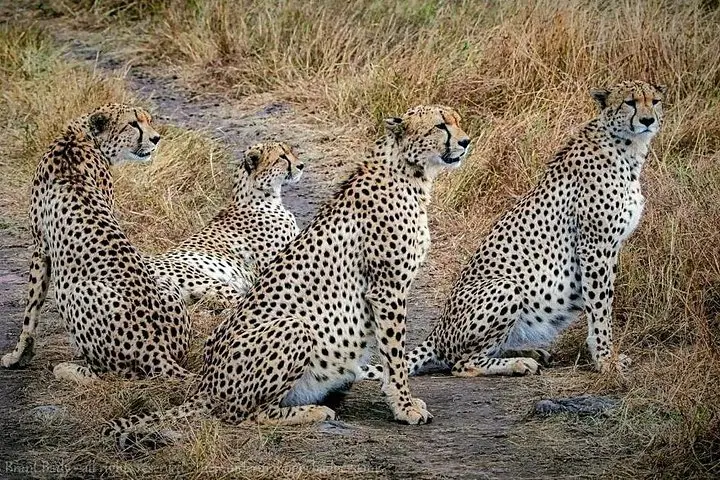
Tarangire is known for large herds of elephants, zebra, wildebeest, giraffe, and a variety of antelope; predators like lions and leopards are present but less guaranteed.
Many operators provide family-friendly options and vehicle access for guests with limited mobility, but check specifics in advance; the experience can include bumpy roads and short steps to enter vehicles.
The dry season (June–October) concentrates mammals near water and is best for big-game viewing; the wet season (November–May) brings migrant birds and lush scenery for birders.
Twende Africa Tours operates guided outdoor trips and adventures with an emphasis on safety, stewardship, and memorable experiences.
The truck rolls onto a dusty track and the plain opens: a ribbon of green—Tarangire River—threading through grasslands where elephants gather like weathered boats under baobabs. The air smells of dust and dry grass; trunks lift and trunks sway as herds move with deliberate curiosity, the landscape watching back.
The truck rolls onto a dusty track and the plain opens: a ribbon of green—Tarangire River—threading through grasslands where elephants gather like weathered boats under baobabs. The air smells of dust and dry grass; trunks lift and trunks sway as herds move with deliberate curiosity, the landscape watching back.
Tarangire sits southeast of Lake Manyara within the East African Rift corridor. Its shallow river and seasonal floodplain create a wildlife magnet, especially during the dry months when animals concentrate near water. The park’s blackened volcanic soils, grassy floodplains and scattering of ancient baobab trees give it a distinct, open character different from nearby highland forests. Maasai communities have grazed these lands for generations; you’ll see their influence in grazing patterns and occasional traditional homesteads seen from the main routes.
On a one-day drive you should expect focused game-viewing from a vehicle: large herds of elephants, zebra and wildebeest, giraffe browsing acacia, and small herds of kudu and impala. Predators—lions and, less frequently, leopards—use the riverine cover, and birdlife explodes in the wet season.
Practicalities: tours typically run 3–5 hours on the reserve, include private transport, hotel pickup, and lunch. Roads are unpaved and can be bumpy; wheelchair-accessible options exist but be prepared for uneven surfaces at viewpoints. Bring binoculars, sun protection, plenty of water, and a camera with a zoom lens. Travel in the dry season (June–October) for the densest wildlife concentrations; the wet months reward birders and lush scenery. Respect distance rules around wildlife, and follow your guide’s instructions—this is an active landscape with its own rhythms.