THE ADVENTURE COLLECTIVE® · Independent discovery and booking for outdoor travel

Spend a full day exploring Lake Manyara National Park’s diverse habitats — from groundwater forest to the alkaline lake shore — where tree-climbing lions and hundreds of bird species are regularly spotted. This one-day safari delivers concentrated wildlife viewing with practical logistics for travelers based in Arusha.
Spend a full day exploring Lake Manyara National Park’s diverse habitats — from groundwater forest to the alkaline lake shore — where tree-climbing lions and hundreds of bird species are regularly spotted. This one-day safari delivers concentrated wildlife viewing with practical logistics for travelers based in Arusha.
The morning light lifts off the Rift Valley wall and the soda lake pushes silver across the plains — walkers and jeeps thread a patchwork of forest, acacia woodland and open grassland as the day begins. On a one-day run into Lake Manyara National Park, the landscape moves fast: groundwater forest gives way to lakeshore flats where flamingos feed, and the rift escarpment stands as a steep backdrop to grazing herds.
Verified experiences and guided adventures in the surrounding area.
Operated by BEST Kilimanjaro CLIMB | HIKE | BIKE TREK | Tanzania Safaris from Moshi & Arusha · Mto wa Mbu, Manyara Region
The morning light lifts off the Rift Valley wall and the soda lake pushes silver across the plains — walkers and jeeps thread a patchwork of forest, acacia woodland and open grassland as the day begins. On a one-day run into Lake Manyara National Park, the landscape moves fast: groundwater forest gives way to lakeshore flats where flamingos feed, and the rift escarpment stands as a steep backdrop to grazing herds.
Lake Manyara was set aside early in Tanzania’s conservation history and occupies roughly 330 sq km, about 77% of which is the shallow alkaline lake. Geology here is Rift Valley; expect exposed volcanic tuff and a dramatic escarpment that funnels wildlife toward water. Culturally, the area around Mto wa Mbu reflects agricultural and market life — guides often point out local crop patterns and small villages visible from roadside stops.
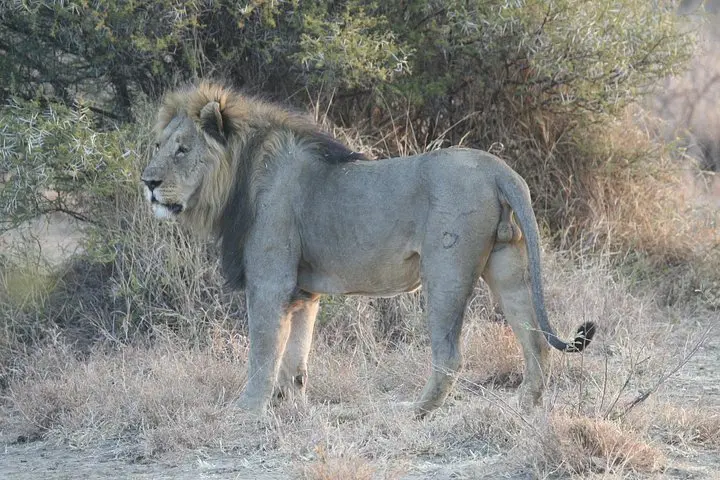
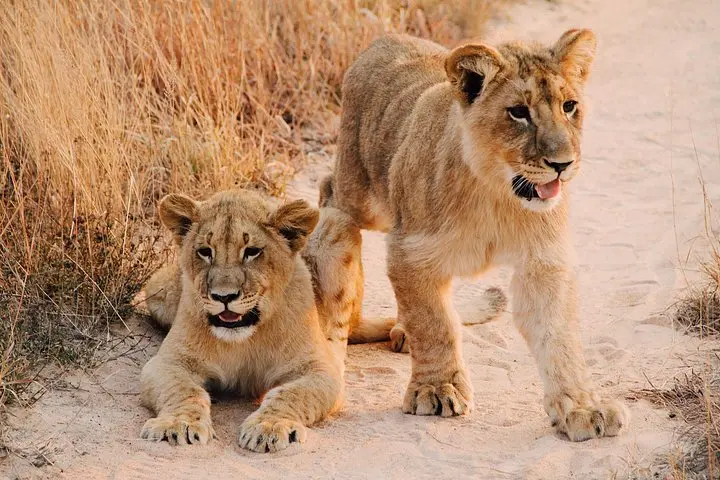
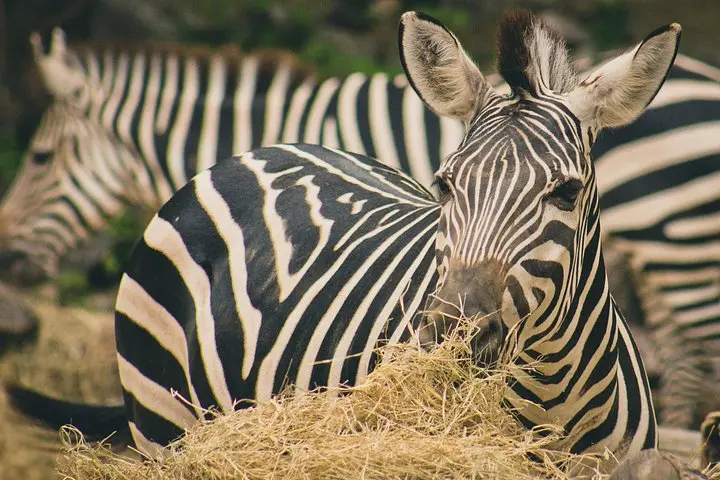
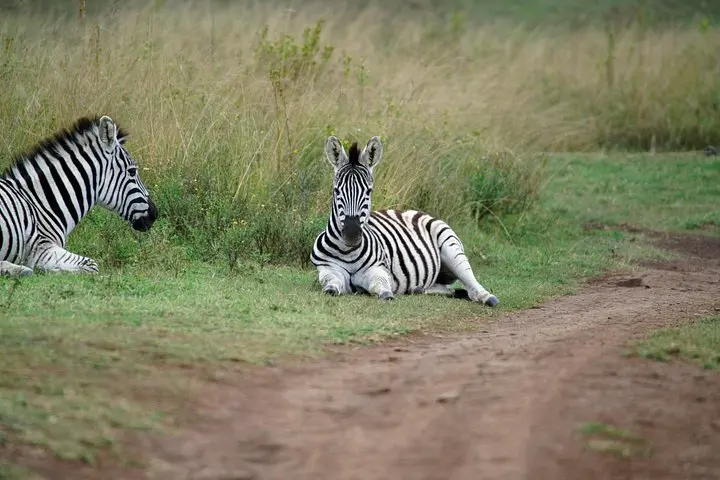
Wildlife highlights include tree-climbing lions (an occasional, iconic sight), large troops of baboons, giraffe, elephant and hundreds of bird species. For photographers and birders the park is compact enough for dense viewing in a single day while still offering varied habitats.
Practical guidance: start early to catch predators and bird activity; pack sun protection and a good pair of binoculars; expect dusty tracks and short game drives rather than long hikes. Lunch is usually provided at a picnic site or lodge. Vehicles are 4x4 safari jeeps—bring a layered jacket for cooler mornings and consider motion-sickness remedies for rough road sections. A day here gives a concentrated taste of northern Tanzania’s wildlife systems without the multi-day commitment.
Lake Manyara National Park is about 120–130 km west of Arusha; expect roughly a 2–3 hour drive depending on road and traffic conditions.
Yes — most day tours include breakfast and lunch, typically a picnic or lodge meal; confirm specific inclusions when booking.
Tree-climbing lions are an iconic feature but sightings are not guaranteed; they are occasional and depend on season and animal movements.
Yes — the itinerary is vehicle-based with minimal walking and is generally appropriate for children and older travelers, though long vehicle time can be tiring.
BEST Kilimanjaro CLIMB | HIKE | BIKE TREK | Tanzania Safaris from Moshi & Arusha operates guided outdoor trips and adventures with an emphasis on safety, stewardship, and memorable experiences.
The morning light lifts off the Rift Valley wall and the soda lake pushes silver across the plains — walkers and jeeps thread a patchwork of forest, acacia woodland and open grassland as the day begins. On a one-day run into Lake Manyara National Park, the landscape moves fast: groundwater forest gives way to lakeshore flats where flamingos feed, and the rift escarpment stands as a steep backdrop to grazing herds.
The morning light lifts off the Rift Valley wall and the soda lake pushes silver across the plains — walkers and jeeps thread a patchwork of forest, acacia woodland and open grassland as the day begins. On a one-day run into Lake Manyara National Park, the landscape moves fast: groundwater forest gives way to lakeshore flats where flamingos feed, and the rift escarpment stands as a steep backdrop to grazing herds.
Lake Manyara was set aside early in Tanzania’s conservation history and occupies roughly 330 sq km, about 77% of which is the shallow alkaline lake. Geology here is Rift Valley; expect exposed volcanic tuff and a dramatic escarpment that funnels wildlife toward water. Culturally, the area around Mto wa Mbu reflects agricultural and market life — guides often point out local crop patterns and small villages visible from roadside stops.
Wildlife highlights include tree-climbing lions (an occasional, iconic sight), large troops of baboons, giraffe, elephant and hundreds of bird species. For photographers and birders the park is compact enough for dense viewing in a single day while still offering varied habitats.
Practical guidance: start early to catch predators and bird activity; pack sun protection and a good pair of binoculars; expect dusty tracks and short game drives rather than long hikes. Lunch is usually provided at a picnic site or lodge. Vehicles are 4x4 safari jeeps—bring a layered jacket for cooler mornings and consider motion-sickness remedies for rough road sections. A day here gives a concentrated taste of northern Tanzania’s wildlife systems without the multi-day commitment.