THE ADVENTURE COLLECTIVE® · Independent discovery and booking for outdoor travel

Spend a full day moving from subtropical gullies and waterfall pools to a night-time glow worm viewing on Mount Tamborine. This full‑day tour pairs easy to moderate walks with local knowledge of geology, flora and nocturnal wildlife.
Spend a full day moving from subtropical gullies and waterfall pools to a night-time glow worm viewing on Mount Tamborine. This full‑day tour pairs easy to moderate walks with local knowledge of geology, flora and nocturnal wildlife.
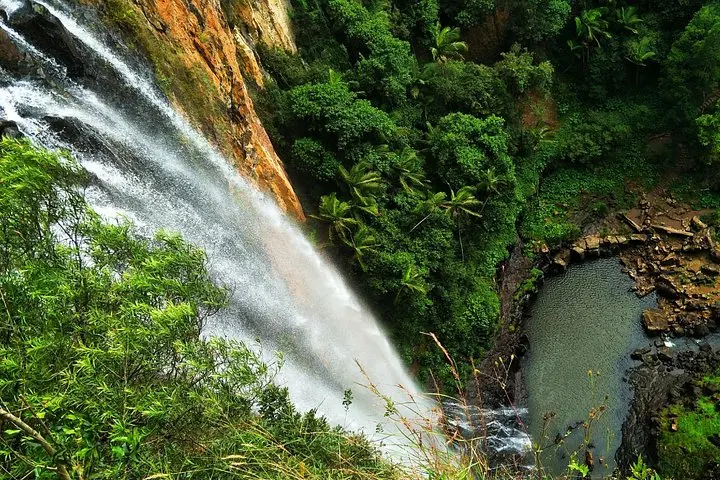
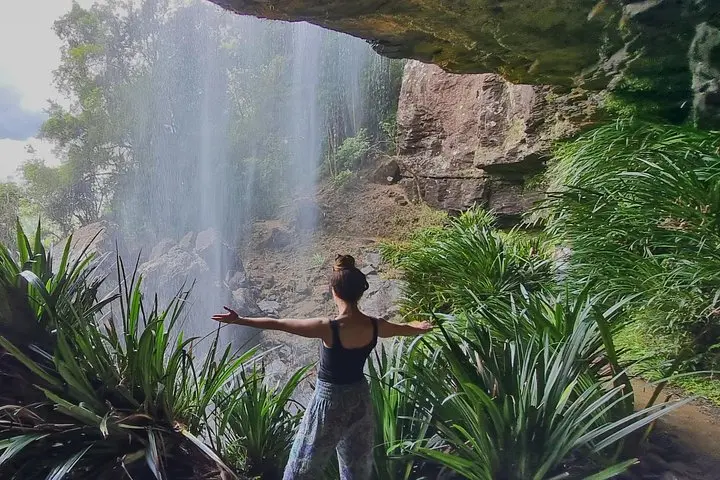
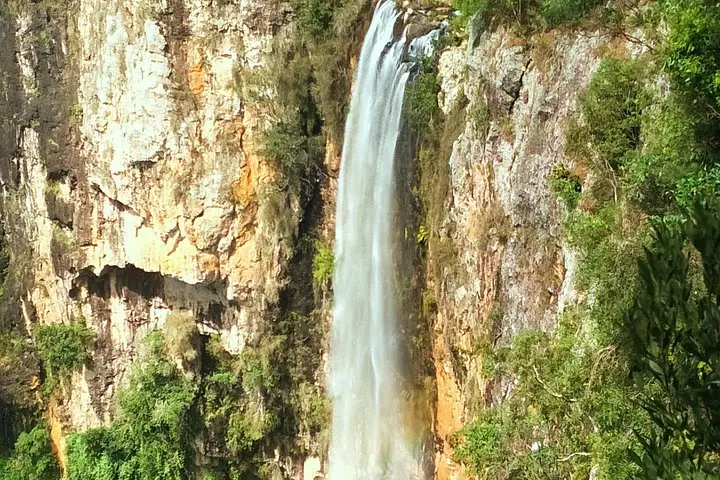
You start the day with damp earth underfoot and a low canopy that filters sunlight into green shards. The tour winds away from the Gold Coast’s beachfront hum into the Gondwana Rainforests — a place where basalt escarpments and ancient subtropical gullies shape small, persistent waterfalls. By afternoon you’re tracing slick rock to the base of falls, the guides pointing out ferns and the occasional pademelon before a simple home-cooked meal at a lookout.
Verified experiences and guided adventures in the surrounding area.
Operated by Gold Coast Rainforest Tours · Springbrook, Queensland
You start the day with damp earth underfoot and a low canopy that filters sunlight into green shards. The tour winds away from the Gold Coast’s beachfront hum into the Gondwana Rainforests — a place where basalt escarpments and ancient subtropical gullies shape small, persistent waterfalls. By afternoon you’re tracing slick rock to the base of falls, the guides pointing out ferns and the occasional pademelon before a simple home-cooked meal at a lookout.
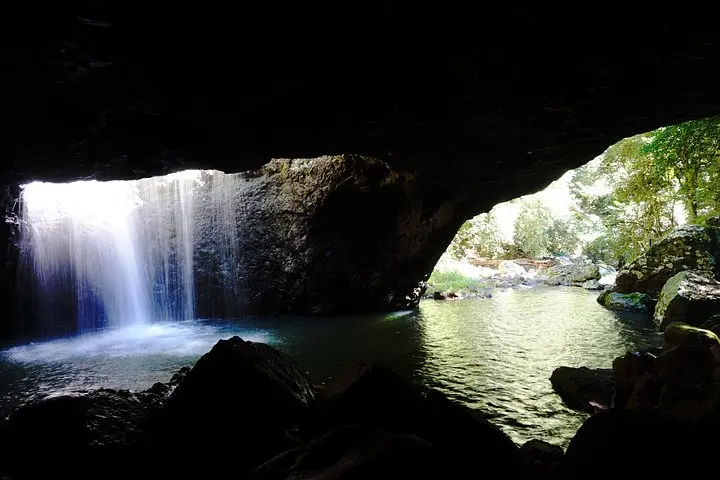
Geology here tells a slow story: volcanic flows and uplift have carved plateaus and cliffs, feeding cascades and plunge pools. Culturally, this land carries Aboriginal connections and protected status; parts of the region are UNESCO-listed for their primeval rainforest communities. Natural Bridge and nearby cascades are significant both ecologically and as quiet cultural sites.
After dusk the pace narrows. Headlamps are turned down, and the glow worms — Arachnocampa species — light the cave rim like living constellations; their bioluminescence is subtle and vulnerable, easily disrupted by torchlight or touch. Guides keep groups small and quiet so the worms continue to feed on the airborne insects drawn into the humid cave mouth.
Practical guidance: wear grippy shoes and a lightweight rain layer, bring a small towel and a daypack, and expect an 8–10 hour day with several short walks and some stair sections. Photography of glow worms is usually prohibited or needs long-exposure technique with guide permission. Respect signs, stay on trails, and plan your pick-up or parking according to the operator’s instructions.
One of the visited waterfalls allows free swimming when conditions are safe; always check with the guide on-site about currents and water quality.
Sightings are common but not guaranteed — factors such as recent rain, temperature and light disturbance can affect activity; guides minimize disruptions to maximize viewing.
Yes — door-to-door pickup from Surfers Paradise and surrounding Gold Coast areas is offered, with exact times confirmed the day before the tour.
The tour is family-friendly and listed as suitable for a wide range of fitness levels, but it’s not recommended for people with serious heart problems due to stairs and walking involved.
Gold Coast Rainforest Tours operates guided outdoor trips and adventures with an emphasis on safety, stewardship, and memorable experiences.
You start the day with damp earth underfoot and a low canopy that filters sunlight into green shards. The tour winds away from the Gold Coast’s beachfront hum into the Gondwana Rainforests — a place where basalt escarpments and ancient subtropical gullies shape small, persistent waterfalls. By afternoon you’re tracing slick rock to the base of falls, the guides pointing out ferns and the occasional pademelon before a simple home-cooked meal at a lookout.
You start the day with damp earth underfoot and a low canopy that filters sunlight into green shards. The tour winds away from the Gold Coast’s beachfront hum into the Gondwana Rainforests — a place where basalt escarpments and ancient subtropical gullies shape small, persistent waterfalls. By afternoon you’re tracing slick rock to the base of falls, the guides pointing out ferns and the occasional pademelon before a simple home-cooked meal at a lookout.
Geology here tells a slow story: volcanic flows and uplift have carved plateaus and cliffs, feeding cascades and plunge pools. Culturally, this land carries Aboriginal connections and protected status; parts of the region are UNESCO-listed for their primeval rainforest communities. Natural Bridge and nearby cascades are significant both ecologically and as quiet cultural sites.
After dusk the pace narrows. Headlamps are turned down, and the glow worms — Arachnocampa species — light the cave rim like living constellations; their bioluminescence is subtle and vulnerable, easily disrupted by torchlight or touch. Guides keep groups small and quiet so the worms continue to feed on the airborne insects drawn into the humid cave mouth.
Practical guidance: wear grippy shoes and a lightweight rain layer, bring a small towel and a daypack, and expect an 8–10 hour day with several short walks and some stair sections. Photography of glow worms is usually prohibited or needs long-exposure technique with guide permission. Respect signs, stay on trails, and plan your pick-up or parking according to the operator’s instructions.