THE ADVENTURE COLLECTIVE® · Independent discovery and booking for outdoor travel

See four UNESCO‑linked sites in a single private half‑day: Pashupatinath’s ghats, the white dome of Boudhanath, the hilltop Swayambhunath stupa and the carved courtyards of Kathmandu Durbar Square. This tour pairs tight logistics with deep cultural context.
See four UNESCO‑linked sites in a single private half‑day: Pashupatinath’s ghats, the white dome of Boudhanath, the hilltop Swayambhunath stupa and the carved courtyards of Kathmandu Durbar Square. This tour pairs tight logistics with deep cultural context.
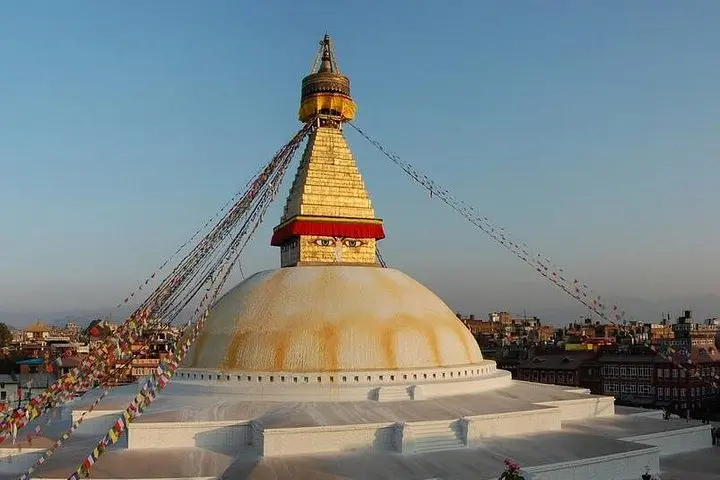
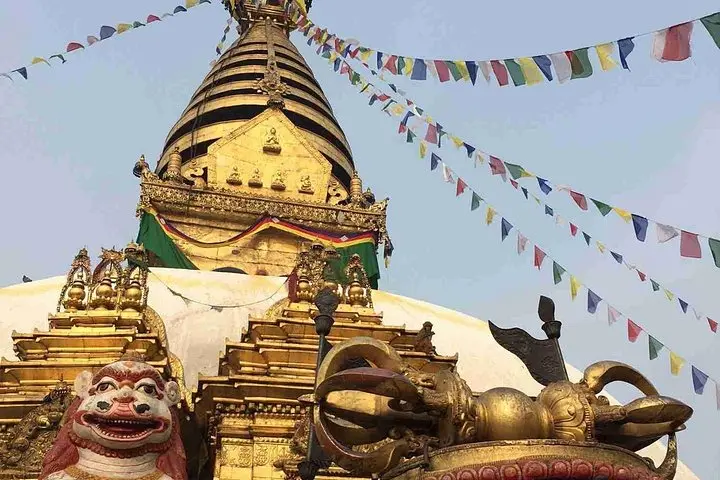
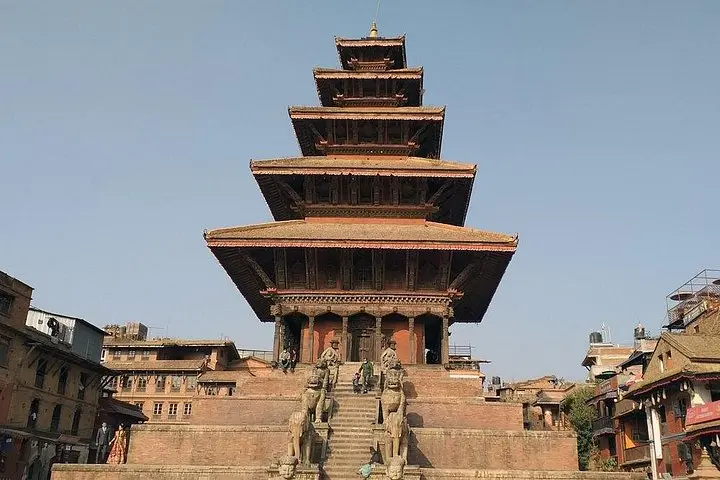
A city-street hum gives way to bells and prayer flags as an air‑conditioned vehicle threads through Kathmandu’s narrow arteries. Within hours a traveler moves from the Bagmati’s holy ghats to the broad white dome of Boudhanath, up the hill to Swayambhunath’s watchful eyes, and into the carved courtyards of Durbar Square — each stop a different register of faith, craft and urban life.
Verified experiences and guided adventures in the surrounding area.
Operated by Orbit Nepal Adventure P. Ltd. · Kathmandu, Bagmati Province
A city-street hum gives way to bells and prayer flags as an air‑conditioned vehicle threads through Kathmandu’s narrow arteries. Within hours a traveler moves from the Bagmati’s holy ghats to the broad white dome of Boudhanath, up the hill to Swayambhunath’s watchful eyes, and into the carved courtyards of Durbar Square — each stop a different register of faith, craft and urban life.
The Kathmandu Valley is a shallow basin once filled by an ancient lake; its alluvial soils supported the rise of the city-states that built these monuments. Pashupatinath on the riverbank is a major Shaiva site where cremation ghats and rituals mark daily life; Boudhanath’s stupa, expanded after the 14th century, became the focal point for Tibetan Buddhism in exile; Swayambhunath crowns a hill reached by 362 steps and offers panoramic views; Durbar Square preserves palaces and public halls that were the center of royal power for centuries and still show earthquake-era repair and restoration work.
Practicalities matter: this private half‑day runs roughly 4–6 hours with short walking spells (typical stop ~30 minutes). Expect light walking, stair climbs at Swayambhu, and close-up cultural observation rather than extended trekking. Modest dress is required at religious sites; non‑Hindus view Pashupatinath from the opposite bank. Traffic can add time between sites, so mornings avoid the late‑day congestion and capture ritual activity.
Bring water, respectful clothing, a small amount of cash for donations or museum entrances, and a walking rhythm that allows time to listen to temple bells and absorb the layered history between stops.
This itinerary lists admission as not included; expect small entry fees or suggested donations at some sites.
Non‑Hindus are not permitted inside the main temple complex, but the opposite bank and designated viewing areas provide good views of the ghats and rituals.
Each stop includes short walks and steps—plan for light walking and one longer stair ascent at Swayambhunath if using the hill approach.
Photography is broadly permitted, but be respectful: avoid photographing worshipers in sensitive moments and follow signage at specific shrines or interiors.
Orbit Nepal Adventure P. Ltd. operates guided outdoor trips and adventures with an emphasis on safety, stewardship, and memorable experiences.
A city-street hum gives way to bells and prayer flags as an air‑conditioned vehicle threads through Kathmandu’s narrow arteries. Within hours a traveler moves from the Bagmati’s holy ghats to the broad white dome of Boudhanath, up the hill to Swayambhunath’s watchful eyes, and into the carved courtyards of Durbar Square — each stop a different register of faith, craft and urban life.
A city-street hum gives way to bells and prayer flags as an air‑conditioned vehicle threads through Kathmandu’s narrow arteries. Within hours a traveler moves from the Bagmati’s holy ghats to the broad white dome of Boudhanath, up the hill to Swayambhunath’s watchful eyes, and into the carved courtyards of Durbar Square — each stop a different register of faith, craft and urban life.
The Kathmandu Valley is a shallow basin once filled by an ancient lake; its alluvial soils supported the rise of the city-states that built these monuments. Pashupatinath on the riverbank is a major Shaiva site where cremation ghats and rituals mark daily life; Boudhanath’s stupa, expanded after the 14th century, became the focal point for Tibetan Buddhism in exile; Swayambhunath crowns a hill reached by 362 steps and offers panoramic views; Durbar Square preserves palaces and public halls that were the center of royal power for centuries and still show earthquake-era repair and restoration work.
Practicalities matter: this private half‑day runs roughly 4–6 hours with short walking spells (typical stop ~30 minutes). Expect light walking, stair climbs at Swayambhu, and close-up cultural observation rather than extended trekking. Modest dress is required at religious sites; non‑Hindus view Pashupatinath from the opposite bank. Traffic can add time between sites, so mornings avoid the late‑day congestion and capture ritual activity.
Bring water, respectful clothing, a small amount of cash for donations or museum entrances, and a walking rhythm that allows time to listen to temple bells and absorb the layered history between stops.