THE ADVENTURE COLLECTIVE® · Independent discovery and booking for outdoor travel

A full-day bus and Nile tour from Luxor that visits Edfu, Kom Ombo, Philae Island and the Aswan High Dam. See Ptolemaic temples, a lake-born sanctuary and modern engineering with an Egyptologist guide and included entrance fees.
A full-day bus and Nile tour from Luxor that visits Edfu, Kom Ombo, Philae Island and the Aswan High Dam. See Ptolemaic temples, a lake-born sanctuary and modern engineering with an Egyptologist guide and included entrance fees.
Morning light slices across the Nile as a coach rolls westward from Luxor, the river daring you to keep pace. By midmorning the air carries temple dust and the rasp of guide voices; Horus’s stone eyes at Edfu register your approach, then Kom Ombo’s twin sanctuaries unfold like a mirrored story of medicine and crocodiles. Philae Island slows the day — granite pylons and carved reliefs rise from the water as if the Nile itself is pushing them skyward. The final stop, the Aswan High Dam, places modern engineering against an ancient current and Lake Nasser’s broad surface.
Verified experiences and guided adventures in the surrounding area.
Operated by Sheba Tour company · Aswan, Aswan Governorate
Morning light slices across the Nile as a coach rolls westward from Luxor, the river daring you to keep pace. By midmorning the air carries temple dust and the rasp of guide voices; Horus’s stone eyes at Edfu register your approach, then Kom Ombo’s twin sanctuaries unfold like a mirrored story of medicine and crocodiles. Philae Island slows the day — granite pylons and carved reliefs rise from the water as if the Nile itself is pushing them skyward. The final stop, the Aswan High Dam, places modern engineering against an ancient current and Lake Nasser’s broad surface.
These sites span millennia: Edfu and Kom Ombo were shaped in the Ptolemaic era with Roman additions, while Philae preserves Late Period religious shifts and later Christian reuse. Geologically, the first cataract’s granite outcrops guided settlement and temple placement; culturally, Aswan marks a crossroads between Nubian traditions and Pharaonic statecraft.
Expect a full-day rhythm: short walks across temple terraces, shaded pauses for an Egyptologist’s narration, a ferry transfer to Philae, and a roadside lunch in Aswan. Entrances and bottled water are usually included; comfortable shoes and sun protection make the day manageable. Keep camera batteries charged and your passport handy for ticket checks. Timing your visit for early departure from Luxor gives cooler mornings and softer light for photography. The tour suits travelers who want concentrated history, predictable logistics, and a taste of Nile travel without backcountry planning.
The tour runs a full day (typically 8–10 hours on the road); pickup times are scheduled in the morning and vary by hotel—confirm with the operator.
Yes; the tour usually includes entrance fees to the listed sites and a local lunch as stated in the itinerary.
Yes, many operators allow guests to remain in Aswan—inform the guide or booking agent in advance to arrange drop-off instead of the return transfer.
The tour is listed as physically easy and can accommodate children; however, temple sites have uneven terrain and limited accessibility, so check specific needs beforehand.
Sheba Tour company operates guided outdoor trips and adventures with an emphasis on safety, stewardship, and memorable experiences.
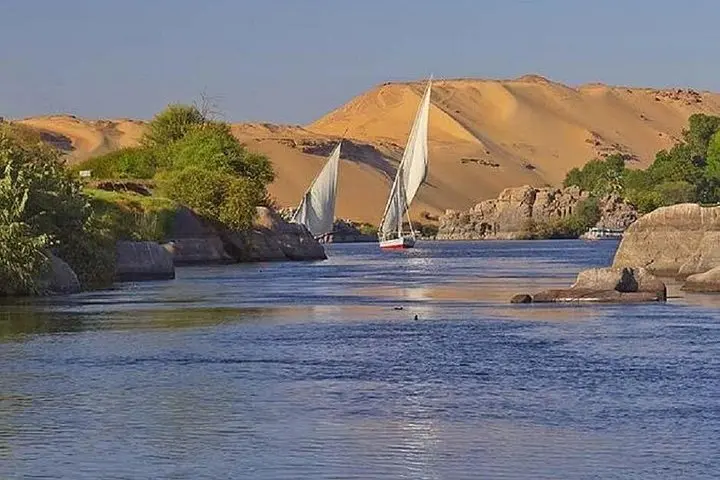
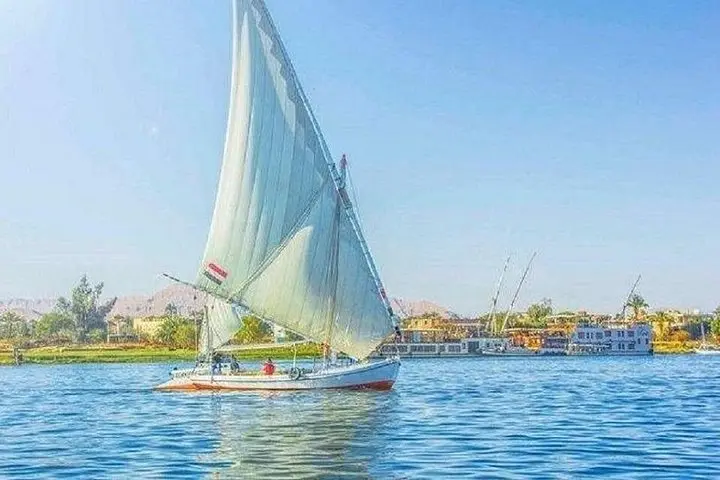
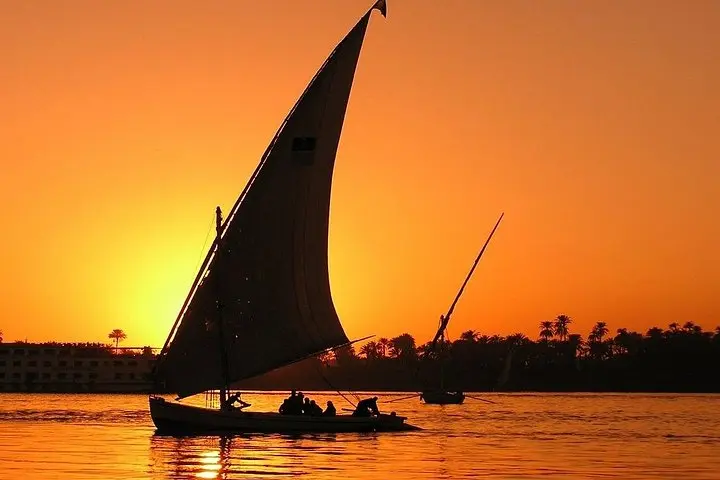
Morning light slices across the Nile as a coach rolls westward from Luxor, the river daring you to keep pace. By midmorning the air carries temple dust and the rasp of guide voices; Horus’s stone eyes at Edfu register your approach, then Kom Ombo’s twin sanctuaries unfold like a mirrored story of medicine and crocodiles. Philae Island slows the day — granite pylons and carved reliefs rise from the water as if the Nile itself is pushing them skyward. The final stop, the Aswan High Dam, places modern engineering against an ancient current and Lake Nasser’s broad surface.
Morning light slices across the Nile as a coach rolls westward from Luxor, the river daring you to keep pace. By midmorning the air carries temple dust and the rasp of guide voices; Horus’s stone eyes at Edfu register your approach, then Kom Ombo’s twin sanctuaries unfold like a mirrored story of medicine and crocodiles. Philae Island slows the day — granite pylons and carved reliefs rise from the water as if the Nile itself is pushing them skyward. The final stop, the Aswan High Dam, places modern engineering against an ancient current and Lake Nasser’s broad surface.
These sites span millennia: Edfu and Kom Ombo were shaped in the Ptolemaic era with Roman additions, while Philae preserves Late Period religious shifts and later Christian reuse. Geologically, the first cataract’s granite outcrops guided settlement and temple placement; culturally, Aswan marks a crossroads between Nubian traditions and Pharaonic statecraft.
Expect a full-day rhythm: short walks across temple terraces, shaded pauses for an Egyptologist’s narration, a ferry transfer to Philae, and a roadside lunch in Aswan. Entrances and bottled water are usually included; comfortable shoes and sun protection make the day manageable. Keep camera batteries charged and your passport handy for ticket checks. Timing your visit for early departure from Luxor gives cooler mornings and softer light for photography. The tour suits travelers who want concentrated history, predictable logistics, and a taste of Nile travel without backcountry planning.