THE ADVENTURE COLLECTIVE® · Independent discovery and booking for outdoor travel

Leave Marrakech for a one-day ascent into the High Atlas, walking through juniper forests, mule tracks and traditional Berber villages. Expect cultural stops, a home-cooked lunch, and 2–3 hours of guided hiking in uneven mountain terrain.
Leave Marrakech for a one-day ascent into the High Atlas, walking through juniper forests, mule tracks and traditional Berber villages. Expect cultural stops, a home-cooked lunch, and 2–3 hours of guided hiking in uneven mountain terrain.
The morning lifts off in Marrakech before dawn: your minivan glides past ochre walls while the Atlas range sharpens on the horizon, a serrated line daring you to climb. By mid-morning you breathe the cooler air of Asni and follow a shallow riverbed into a juniper-scented slope; the landscape here pushes and opens, terraces and stone houses folded into the hills.
Verified experiences and guided adventures in the surrounding area.
Operated by Marrakech Tours · Imlil, Marrakech-Safi
The morning lifts off in Marrakech before dawn: your minivan glides past ochre walls while the Atlas range sharpens on the horizon, a serrated line daring you to climb. By mid-morning you breathe the cooler air of Asni and follow a shallow riverbed into a juniper-scented slope; the landscape here pushes and opens, terraces and stone houses folded into the hills.
This route threads human history and mountain geology. The High Atlas rose from continental collision during the Alpine orogeny, yielding steep valleys and rugged peaks visible above Imlil. Berber villages along the way still rely on terraced agriculture and seasonal water sharing; tea service in a local house is both social ritual and practical pause.
You’ll pass juniper and oak stands, cross shepherd trails and can opt for a mule if the legs need saving. Guides teach the village rhythms—how bread is baked in ground ovens and couscous is steamed—so the day is as much cultural exchange as physical effort.
Practical edge: expect 2–3 hours of guided walking on uneven dirt trails with short, steep pitches, interspersed with vehicle transfer; total outing is roughly 7 hours door-to-door from Marrakech. Wear broken-in hiking shoes, carry 2 liters of water, sun protection and a light waterproof layer. Start early, allow time for tea and a family lunch, and communicate any mobility limits if you plan to ride a mule. The trail favors clear weather; in winter the higher passes can be icy. Respect private property and pack out waste—these valleys are lived-in, not just sceneries.
Expect about 2–3 hours of guided walking around Imlil and nearby Berber villages, with the rest of the day spent driving and at cultural stops.
Yes—mule rides are an option for less energetic participants on selected sections; notify the operator when booking.
Fit children and active seniors can participate, but those with limited mobility or serious heart problems should avoid the full trek; consult guides about alternatives.
A traditional Berber three-course lunch (bread, tagine or couscous, tea) is included; inform the operator in advance for dietary restrictions.
Marrakech Tours operates guided outdoor trips and adventures with an emphasis on safety, stewardship, and memorable experiences.


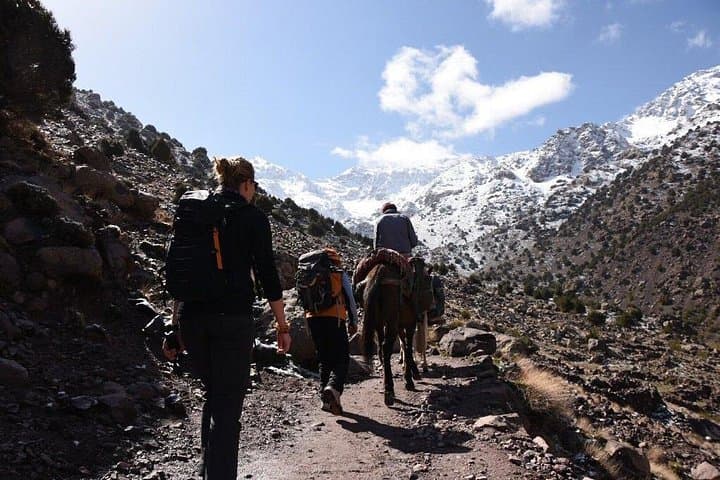
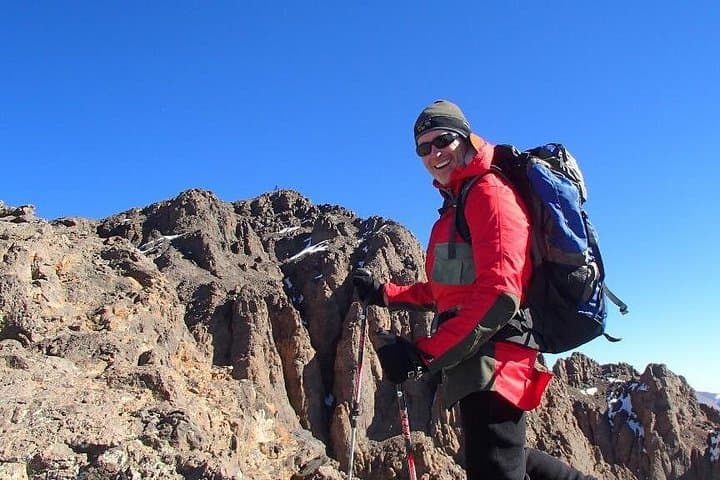
The morning lifts off in Marrakech before dawn: your minivan glides past ochre walls while the Atlas range sharpens on the horizon, a serrated line daring you to climb. By mid-morning you breathe the cooler air of Asni and follow a shallow riverbed into a juniper-scented slope; the landscape here pushes and opens, terraces and stone houses folded into the hills.
The morning lifts off in Marrakech before dawn: your minivan glides past ochre walls while the Atlas range sharpens on the horizon, a serrated line daring you to climb. By mid-morning you breathe the cooler air of Asni and follow a shallow riverbed into a juniper-scented slope; the landscape here pushes and opens, terraces and stone houses folded into the hills.
This route threads human history and mountain geology. The High Atlas rose from continental collision during the Alpine orogeny, yielding steep valleys and rugged peaks visible above Imlil. Berber villages along the way still rely on terraced agriculture and seasonal water sharing; tea service in a local house is both social ritual and practical pause.
You’ll pass juniper and oak stands, cross shepherd trails and can opt for a mule if the legs need saving. Guides teach the village rhythms—how bread is baked in ground ovens and couscous is steamed—so the day is as much cultural exchange as physical effort.
Practical edge: expect 2–3 hours of guided walking on uneven dirt trails with short, steep pitches, interspersed with vehicle transfer; total outing is roughly 7 hours door-to-door from Marrakech. Wear broken-in hiking shoes, carry 2 liters of water, sun protection and a light waterproof layer. Start early, allow time for tea and a family lunch, and communicate any mobility limits if you plan to ride a mule. The trail favors clear weather; in winter the higher passes can be icy. Respect private property and pack out waste—these valleys are lived-in, not just sceneries.