THE ADVENTURE COLLECTIVE® · Independent discovery and booking for outdoor travel

A high, windswept day trek to Shira Plateau on Kilimanjaro via the Lemosho approach—explore volcanic formations like the Shira Cathedral at 3,500 m and take sweeping summit views while managing altitude and variable terrain.
A high, windswept day trek to Shira Plateau on Kilimanjaro via the Lemosho approach—explore volcanic formations like the Shira Cathedral at 3,500 m and take sweeping summit views while managing altitude and variable terrain.
You step off the jeep onto a wide, windswept shelf of volcanic rock and the air feels thin and bright—Shira Plateau unfurls at about 3,500 meters, a high plain carved from ancient eruptions. Low shrubs and strange, blocky formations like the Shira Cathedral and Needle rise from scoured lava; the summit of Kibo broods above, its white cap slicing the sky. On clear days the plains below reach toward Amboseli and the silhouettes of elephants drift along the horizon.
Verified experiences and guided adventures in the surrounding area.
Operated by Kiliclimb Africa Safaris · Moshi, Kilimanjaro Region
You step off the jeep onto a wide, windswept shelf of volcanic rock and the air feels thin and bright—Shira Plateau unfurls at about 3,500 meters, a high plain carved from ancient eruptions. Low shrubs and strange, blocky formations like the Shira Cathedral and Needle rise from scoured lava; the summit of Kibo broods above, its white cap slicing the sky. On clear days the plains below reach toward Amboseli and the silhouettes of elephants drift along the horizon.
Shira is an old caldera remnant, a flattened flank of Kilimanjaro shaped by repeated eruptions and glacial trimming. The Lemosho approach reaches it from the west, moving from rainforest to heather and moorland—an abrupt change in geology and vegetation that tells the mountain’s story. Locally, the Chagga and Maasai have long regarded Kilimanjaro as both resource and landmark; on Shira you’re passing through terrain that sustained trade routes and grazing patterns for generations.
Practically: this is a day trek, typically 3–10 hours depending on your start and stops. Expect uneven volcanic scree, stony ridgelines, and patches of soft moor. Altitude is the main factor—3,500 m produces shortness of breath and slower pace even on easy terrain. Bring layers for wind and sun protection, drink often, and move deliberately to aid acclimatization. Guides will point out rock arches, abrupt lava flows, and the best viewpoints for a framed Kilimanjaro summit.
Timing matters—early starts maximize visibility and lower wind. Treat the plateau with respect: fragile soils and slow-growing alpine plants recover slowly from footprints. With basic fitness, an attentive guide, and proper hydration, a day on Shira is a stark, elemental slice of Kilimanjaro’s long volcanic history.
Day trips onto Kilimanjaro routes typically require park fees and a registered guide—your operator handles permits and park entry as part of the booking.
Terrain is generally non-technical but uneven; the main challenge is altitude at ~3,500 m rather than technical climbing skills.
Large mammals are rare on the plateau itself, but views often include plains around Amboseli where elephants and other wildlife can be spotted on clear days.
Dry seasons (roughly June–October and late December–February) give the most stable weather and clear summit views, though early mornings in shoulder seasons can also be good.
Kiliclimb Africa Safaris operates guided outdoor trips and adventures with an emphasis on safety, stewardship, and memorable experiences.
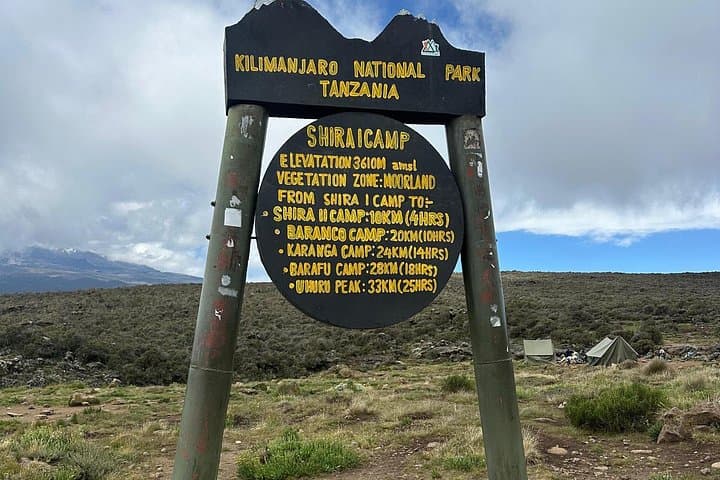
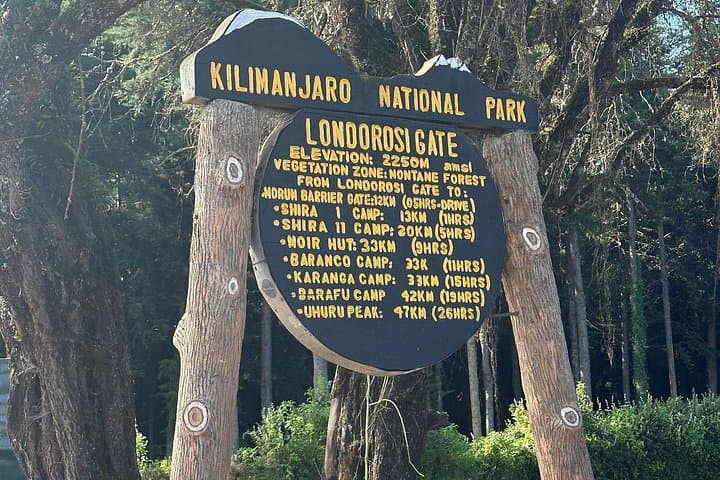
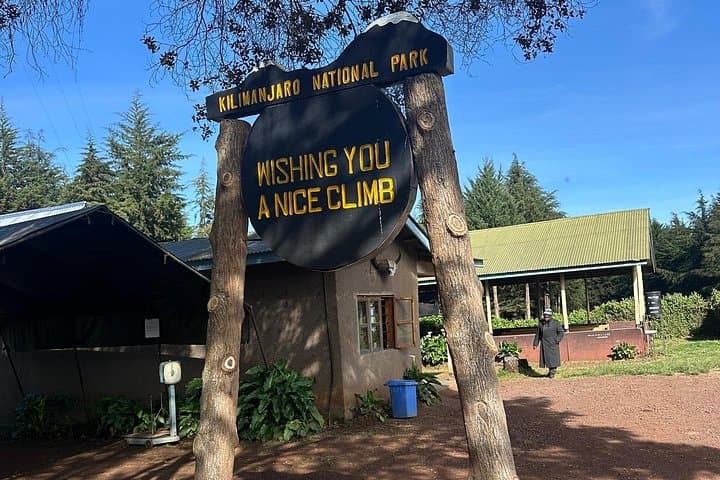
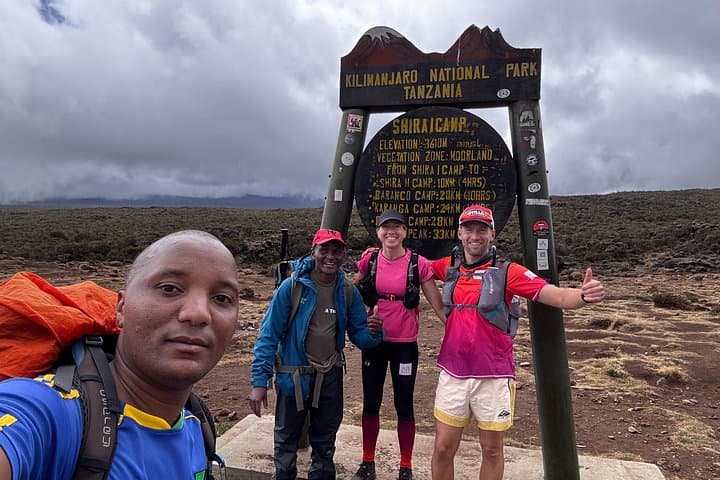
You step off the jeep onto a wide, windswept shelf of volcanic rock and the air feels thin and bright—Shira Plateau unfurls at about 3,500 meters, a high plain carved from ancient eruptions. Low shrubs and strange, blocky formations like the Shira Cathedral and Needle rise from scoured lava; the summit of Kibo broods above, its white cap slicing the sky. On clear days the plains below reach toward Amboseli and the silhouettes of elephants drift along the horizon.
You step off the jeep onto a wide, windswept shelf of volcanic rock and the air feels thin and bright—Shira Plateau unfurls at about 3,500 meters, a high plain carved from ancient eruptions. Low shrubs and strange, blocky formations like the Shira Cathedral and Needle rise from scoured lava; the summit of Kibo broods above, its white cap slicing the sky. On clear days the plains below reach toward Amboseli and the silhouettes of elephants drift along the horizon.
Shira is an old caldera remnant, a flattened flank of Kilimanjaro shaped by repeated eruptions and glacial trimming. The Lemosho approach reaches it from the west, moving from rainforest to heather and moorland—an abrupt change in geology and vegetation that tells the mountain’s story. Locally, the Chagga and Maasai have long regarded Kilimanjaro as both resource and landmark; on Shira you’re passing through terrain that sustained trade routes and grazing patterns for generations.
Practically: this is a day trek, typically 3–10 hours depending on your start and stops. Expect uneven volcanic scree, stony ridgelines, and patches of soft moor. Altitude is the main factor—3,500 m produces shortness of breath and slower pace even on easy terrain. Bring layers for wind and sun protection, drink often, and move deliberately to aid acclimatization. Guides will point out rock arches, abrupt lava flows, and the best viewpoints for a framed Kilimanjaro summit.
Timing matters—early starts maximize visibility and lower wind. Treat the plateau with respect: fragile soils and slow-growing alpine plants recover slowly from footprints. With basic fitness, an attentive guide, and proper hydration, a day on Shira is a stark, elemental slice of Kilimanjaro’s long volcanic history.