THE ADVENTURE COLLECTIVE® · Independent discovery and booking for outdoor travel

A full-day, guided trek from Bucharest into the Ciucas Massif offering a 700 m climb to near-peak ridgelines and limestone formations. Expect 6–7 hours on trail with huts, panoramic views, and private transport.
A full-day, guided trek from Bucharest into the Ciucas Massif offering a 700 m climb to near-peak ridgelines and limestone formations. Expect 6–7 hours on trail with huts, panoramic views, and private transport.
Dawn breaks on a narrow lane as a private van threads out of Bucharest toward the low, sharp ridges of the Ciucas Massif. By the time you step off at a mountain hut the air is already cooler; limestone ribs and blocky outcrops rise like a deliberate challenge, and the guide checks helmets and maps before the ascent.
Verified experiences and guided adventures in the surrounding area.
Operated by I go Romania · Cheia, Prahova
Dawn breaks on a narrow lane as a private van threads out of Bucharest toward the low, sharp ridges of the Ciucas Massif. By the time you step off at a mountain hut the air is already cooler; limestone ribs and blocky outcrops rise like a deliberate challenge, and the guide checks helmets and maps before the ascent.
The Ciucas range sits on the southern edge of the Eastern Carpathians, shaped by folded limestones and thrust faults that produce the massif’s distinctive towers and chimneys. Local shepherding and small timber villages have long shaped the human footprint here; wartime routes and old transhumance trails still mark the slopes.
Expect a steady, non-technical trek: roughly 700 m of elevation gain to near 1,954 m, six to seven hours on trail—rocky pitches, forested benches, and panoramic ridgelines. Midway, Ciucas Chalet offers a practical lunch stop and a chance to recharge batteries and cameras.
Practical edge: start early (tour meets around 06:00), bring layered clothing, and pack 2–3 L of water—there are springs but treat or filter if you refill. Good hiking boots and trekking poles smooth steep scree and limestone slabs. The guide carries route knowledge and a helmet is provided for exposed sections.
Timing matters—late afternoon storms are common in summer and trails harden in colder seasons—so plan for stable weather, leave a spare phone battery, and move deliberately on loose rock. By dusk the van hums back toward the city, leaving the massif quiet but very much watchful—its ridges already plotting tomorrow’s weather.
The trail is rated moderate with about 700 m of ascent to near 1,954 m; it’s non-technical but requires good fitness and sure footing on rocky terrain.
Yes—this private day tour includes round-trip transport and hotel pickup/drop-off in Bucharest as described in the itinerary.
No technical climbing gear is required; helmets are provided for any exposed limestone sections, but harnesses or ropes are not needed for the standard route.
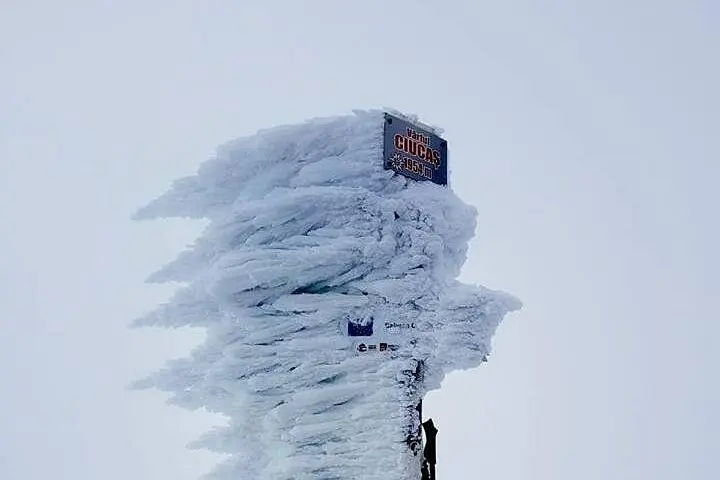
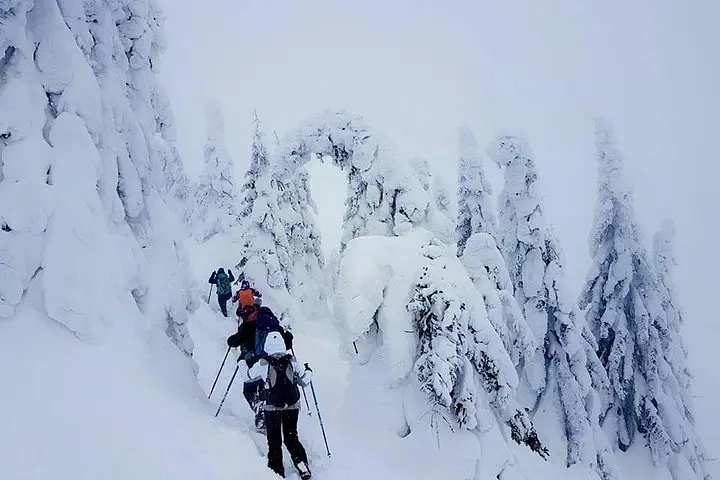
Late spring through early autumn offers milder conditions; avoid unstable weather in late autumn and be prepared for snow above 1,500 m in winter and early spring.
I go Romania operates guided outdoor trips and adventures with an emphasis on safety, stewardship, and memorable experiences.
Dawn breaks on a narrow lane as a private van threads out of Bucharest toward the low, sharp ridges of the Ciucas Massif. By the time you step off at a mountain hut the air is already cooler; limestone ribs and blocky outcrops rise like a deliberate challenge, and the guide checks helmets and maps before the ascent.
Dawn breaks on a narrow lane as a private van threads out of Bucharest toward the low, sharp ridges of the Ciucas Massif. By the time you step off at a mountain hut the air is already cooler; limestone ribs and blocky outcrops rise like a deliberate challenge, and the guide checks helmets and maps before the ascent.
The Ciucas range sits on the southern edge of the Eastern Carpathians, shaped by folded limestones and thrust faults that produce the massif’s distinctive towers and chimneys. Local shepherding and small timber villages have long shaped the human footprint here; wartime routes and old transhumance trails still mark the slopes.
Expect a steady, non-technical trek: roughly 700 m of elevation gain to near 1,954 m, six to seven hours on trail—rocky pitches, forested benches, and panoramic ridgelines. Midway, Ciucas Chalet offers a practical lunch stop and a chance to recharge batteries and cameras.
Practical edge: start early (tour meets around 06:00), bring layered clothing, and pack 2–3 L of water—there are springs but treat or filter if you refill. Good hiking boots and trekking poles smooth steep scree and limestone slabs. The guide carries route knowledge and a helmet is provided for exposed sections.
Timing matters—late afternoon storms are common in summer and trails harden in colder seasons—so plan for stable weather, leave a spare phone battery, and move deliberately on loose rock. By dusk the van hums back toward the city, leaving the massif quiet but very much watchful—its ridges already plotting tomorrow’s weather.