THE ADVENTURE COLLECTIVE® · Independent discovery and booking for outdoor travel

A full-day journey from Marrakech over Tizi n’Tichka to the fortified ksar of Ait Benhaddou and the film studios of Ouarzazate. Expect long scenic drives, ancient mud-brick architecture, and practical advice for timing, footwear and hydration.
A full-day journey from Marrakech over Tizi n’Tichka to the fortified ksar of Ait Benhaddou and the film studios of Ouarzazate. Expect long scenic drives, ancient mud-brick architecture, and practical advice for timing, footwear and hydration.
You leave Marrakech before dawn and the city loosens its grip: medina noise softens, ochre walls thin, and the road climbs into the High Atlas. The passes take you up to Tizi n’Tichka (about 2,260 m), where wind-polished ridgelines and scattered Berber villages open like chapters in a geological atlas. By midmorning the ksar at Ait Benhaddou appears across a shallow valley—a collection of red mud-brick towers clinging to a hill, the architecture both functional and dramatic.
Verified experiences and guided adventures in the surrounding area.
Operated by MSITravels · Ait Benhaddou, Drâa-Tafilalet
You leave Marrakech before dawn and the city loosens its grip: medina noise softens, ochre walls thin, and the road climbs into the High Atlas. The passes take you up to Tizi n’Tichka (about 2,260 m), where wind-polished ridgelines and scattered Berber villages open like chapters in a geological atlas. By midmorning the ksar at Ait Benhaddou appears across a shallow valley—a collection of red mud-brick towers clinging to a hill, the architecture both functional and dramatic.
Ait Benhaddou’s story is practical and ancient: a fortified caravan stop on trans-Saharan routes that funneled salt, gold and ideas between Sahara and Marrakech. The current crenellated façades are largely 17th century, but the site’s human imprint spans far longer. Geology here is simple and stark—soft red earth, seasonal watercourses that turn the valley briefly green, and layered sediment giving the hills their banded tones. Ouarzazate, the “Door of the Desert,” grew where trade and film industry found common ground; Taourirt Kasbah and Atlas Studios speak to both local life and cinematic spectacle.
Practical guidance: expect a full day—roughly 8–12 hours—driving 3.5–4.5 hours each way depending on stops. Guided time in the ksar typically runs about an hour; wear sturdy shoes for uneven cobbles and bring sun protection and at least 1–2 liters of water. Weather on the pass can be cool and breezy even when Marrakech is hot; layer accordingly. Lunch is usually in or near the village; cash is useful. If you want quieter photos, aim for an early departure and ask to pause at viewpoints along the route.
Plan on about 3.5–4.5 hours one way depending on traffic and stops; the round trip is typically 7–9 hours of driving within an 8–12 hour day.
The guided walk through Ait Benhaddou involves steep, narrow steps and uneven paths but is short (about an hour) and manageable with basic mobility and sturdy footwear.
Most day trips include guided visits but check your booking; some tours include local guide fees while lunch and studio entry fees may be extra.
Yes, but the Tizi n’Tichka pass can be cold and occasionally snowy; check weather conditions and vehicle access in winter months.
MSITravels operates guided outdoor trips and adventures with an emphasis on safety, stewardship, and memorable experiences.
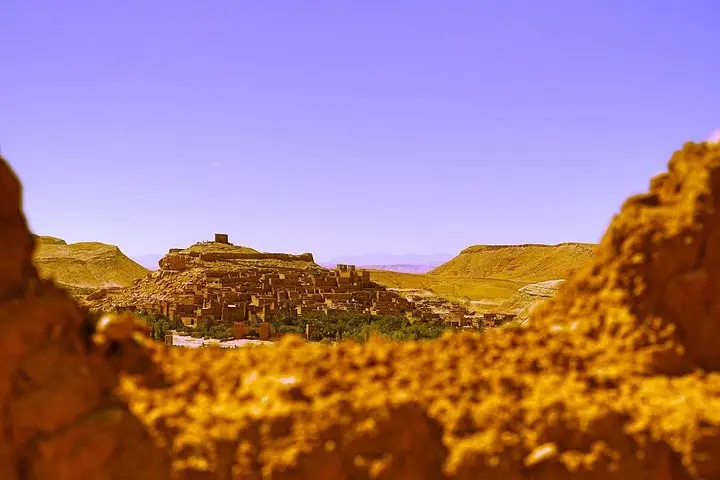
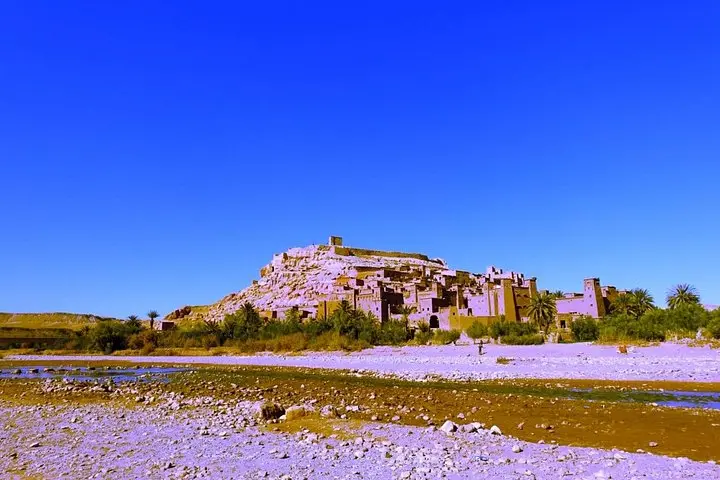
You leave Marrakech before dawn and the city loosens its grip: medina noise softens, ochre walls thin, and the road climbs into the High Atlas. The passes take you up to Tizi n’Tichka (about 2,260 m), where wind-polished ridgelines and scattered Berber villages open like chapters in a geological atlas. By midmorning the ksar at Ait Benhaddou appears across a shallow valley—a collection of red mud-brick towers clinging to a hill, the architecture both functional and dramatic.
You leave Marrakech before dawn and the city loosens its grip: medina noise softens, ochre walls thin, and the road climbs into the High Atlas. The passes take you up to Tizi n’Tichka (about 2,260 m), where wind-polished ridgelines and scattered Berber villages open like chapters in a geological atlas. By midmorning the ksar at Ait Benhaddou appears across a shallow valley—a collection of red mud-brick towers clinging to a hill, the architecture both functional and dramatic.
Ait Benhaddou’s story is practical and ancient: a fortified caravan stop on trans-Saharan routes that funneled salt, gold and ideas between Sahara and Marrakech. The current crenellated façades are largely 17th century, but the site’s human imprint spans far longer. Geology here is simple and stark—soft red earth, seasonal watercourses that turn the valley briefly green, and layered sediment giving the hills their banded tones. Ouarzazate, the “Door of the Desert,” grew where trade and film industry found common ground; Taourirt Kasbah and Atlas Studios speak to both local life and cinematic spectacle.
Practical guidance: expect a full day—roughly 8–12 hours—driving 3.5–4.5 hours each way depending on stops. Guided time in the ksar typically runs about an hour; wear sturdy shoes for uneven cobbles and bring sun protection and at least 1–2 liters of water. Weather on the pass can be cool and breezy even when Marrakech is hot; layer accordingly. Lunch is usually in or near the village; cash is useful. If you want quieter photos, aim for an early departure and ask to pause at viewpoints along the route.