THE ADVENTURE COLLECTIVE® · Independent discovery and booking for outdoor travel

A full-day private drive from Bucharest that pairs medieval Veliko Tarnovo and Tsarevets Fortress with the mountain monuments of Shipka and the striking Buzludzha saucer. Expect historic walls, pine ridges and a short, uneven climb to the ridge-top monument.
A full-day private drive from Bucharest that pairs medieval Veliko Tarnovo and Tsarevets Fortress with the mountain monuments of Shipka and the striking Buzludzha saucer. Expect historic walls, pine ridges and a short, uneven climb to the ridge-top monument.
You pull away from Bucharest before dawn and the road becomes the day’s first companion — flat plains give way to folded hills, and the air cools as you climb toward the Balkan spine.
Verified experiences and guided adventures in the surrounding area.
Operated by OnAdventure · Veliko Tarnovo, Veliko Tarnovo Province
You pull away from Bucharest before dawn and the road becomes the day’s first companion — flat plains give way to folded hills, and the air cools as you climb toward the Balkan spine.
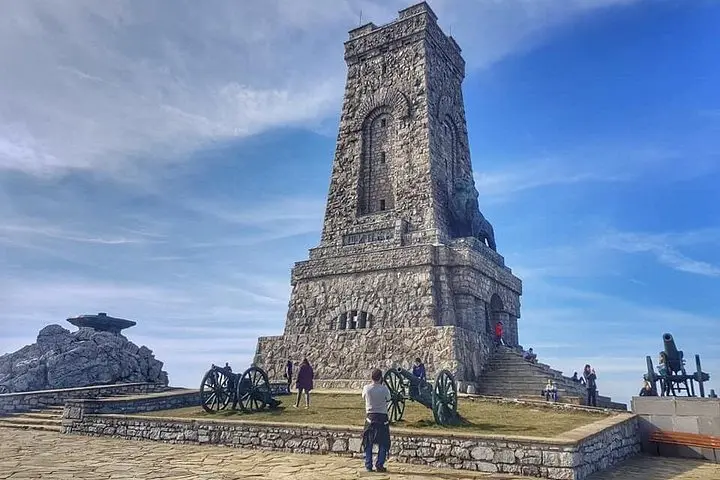
By mid-morning you’re in Veliko Tarnovo, where the Yantra River curves like a question beneath the terraced medieval town. Tsarevets fortress crowns a steep, rocky hill and compels you up stone steps and narrow lanes; its thick walls once housed the Second Bulgarian Empire’s courts and churches. From there, the route threads into the Shipka area — granite ridges and pine-clad slopes that remember the 19th-century battles for Bulgarian liberation — the landscape itself seeming to hold stories in its exposed rock and wind-swept meadows.
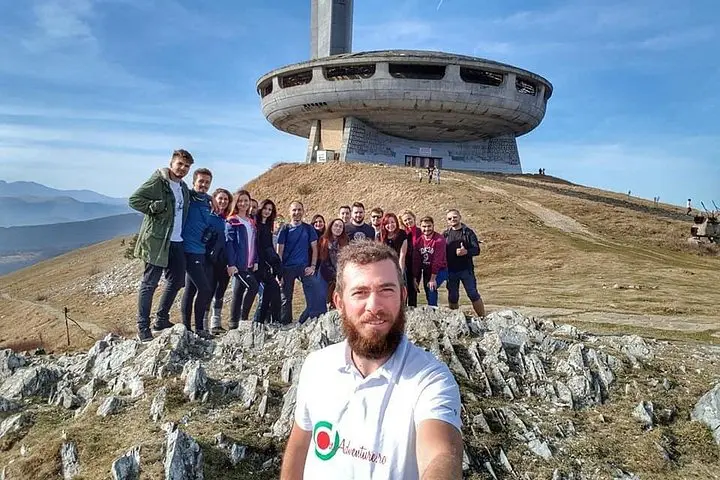
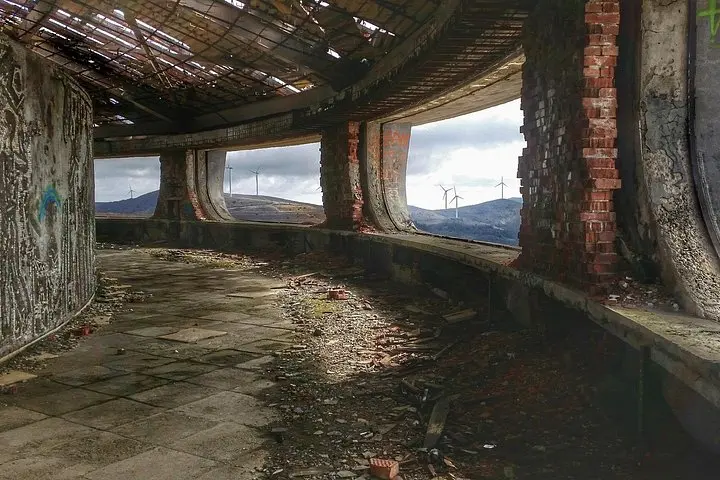
Higher still, the Buzludzha Monument appears at about 1,400 m: a concrete disc set on a ridge, an emblem of 20th-century ideology, weathering under sky and wind. Approaching it involves a short stretch of mountain road and a modest walk across uneven ground; the monument’s exterior and surrounding moorland are the primary draws.
Practical guidance: this is a full-day, around 12-hour private transfer and walking tour that mixes paved driving with some uneven, gravel sections near mountain sites. Bring your passport for the border crossing, wear sturdy walking shoes and layers for rapidly changing mountain weather, and carry water and sunscreen. Expect periods of standing and short climbs at viewpoints; photography and reconnaissance are best in morning or late afternoon light. Respect fragile sites and avoid entering restricted interiors — these places keep their character because visitors tread carefully.
This is a full-day private excursion (about 12 hours) that departs from Bucharest and returns the same day.
Access to the exterior and ridge is common, but the interior is often unstable or restricted; follow local guidance and do not enter unsafe areas.
Expect short climbs and stone steps at Tsarevets and brief uneven walks at mountain viewpoints; no sustained hikes are required.
Most sites viewed externally have no admission fee; bring some local currency for snacks, small purchases or optional museum entries in Veliko Tarnovo.
OnAdventure operates guided outdoor trips and adventures with an emphasis on safety, stewardship, and memorable experiences.
You pull away from Bucharest before dawn and the road becomes the day’s first companion — flat plains give way to folded hills, and the air cools as you climb toward the Balkan spine.
You pull away from Bucharest before dawn and the road becomes the day’s first companion — flat plains give way to folded hills, and the air cools as you climb toward the Balkan spine.
By mid-morning you’re in Veliko Tarnovo, where the Yantra River curves like a question beneath the terraced medieval town. Tsarevets fortress crowns a steep, rocky hill and compels you up stone steps and narrow lanes; its thick walls once housed the Second Bulgarian Empire’s courts and churches. From there, the route threads into the Shipka area — granite ridges and pine-clad slopes that remember the 19th-century battles for Bulgarian liberation — the landscape itself seeming to hold stories in its exposed rock and wind-swept meadows.
Higher still, the Buzludzha Monument appears at about 1,400 m: a concrete disc set on a ridge, an emblem of 20th-century ideology, weathering under sky and wind. Approaching it involves a short stretch of mountain road and a modest walk across uneven ground; the monument’s exterior and surrounding moorland are the primary draws.
Practical guidance: this is a full-day, around 12-hour private transfer and walking tour that mixes paved driving with some uneven, gravel sections near mountain sites. Bring your passport for the border crossing, wear sturdy walking shoes and layers for rapidly changing mountain weather, and carry water and sunscreen. Expect periods of standing and short climbs at viewpoints; photography and reconnaissance are best in morning or late afternoon light. Respect fragile sites and avoid entering restricted interiors — these places keep their character because visitors tread carefully.