THE ADVENTURE COLLECTIVE® · Independent discovery and booking for outdoor travel

Leave Dubrovnik for a full-day loop through Bosnia and Herzegovina: mossy travertine at Kravice Falls, the historic Stari Most in Mostar, and the quiet pilgrimage hill of Medjugorje, capped by an intimate visit to a family home in Hardomilje. Expect 8–10 hours of culture, geology and home-cooked food.
Leave Dubrovnik for a full-day loop through Bosnia and Herzegovina: mossy travertine at Kravice Falls, the historic Stari Most in Mostar, and the quiet pilgrimage hill of Medjugorje, capped by an intimate visit to a family home in Hardomilje. Expect 8–10 hours of culture, geology and home-cooked food.
A crisp Adriatic morning dissolves as the van leaves Dubrovnik’s limestone harbor and heads inland, the road bending into karst plateaus and pine-scattered ridges. By mid-morning you’ll hear the river before you see it—the Cetina and Neretva daring you toward pools and falls—then the stepped curtain of Kravice appears, water throwing itself over travertine like a living staircase.
Verified experiences and guided adventures in the surrounding area.
Operated by Private Tours Travel Agency · Dubrovnik, Dubrovnik-Neretva County
A crisp Adriatic morning dissolves as the van leaves Dubrovnik’s limestone harbor and heads inland, the road bending into karst plateaus and pine-scattered ridges. By mid-morning you’ll hear the river before you see it—the Cetina and Neretva daring you toward pools and falls—then the stepped curtain of Kravice appears, water throwing itself over travertine like a living staircase.
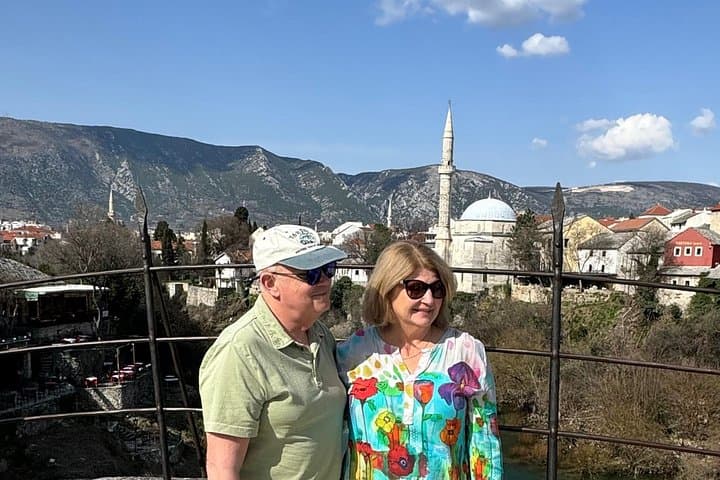
Mostar’s 16th-century Stari Most bridge, rebuilt after the 1990s conflict, anchors the Old Town with Ottoman arches and a riverside bazaar where craftsmen still hawk copper and filigree. Medjugorje, by contrast, draws a quieter pilgrimage energy: hilltops threaded with stations of the cross and a view that opens on agricultural valleys where family plots have been worked the same way for generations.
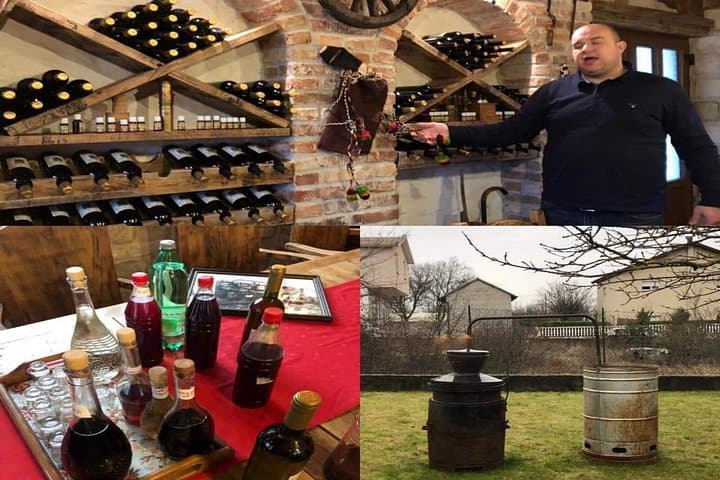
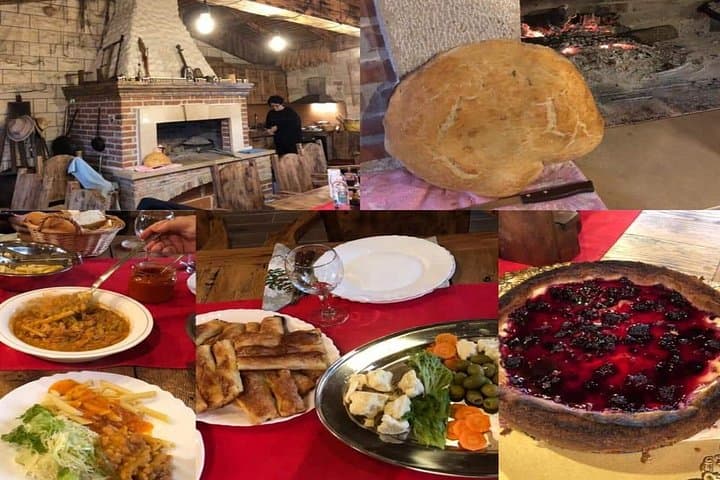
Geology here is karst: soluble limestone carving underground channels, springs and tufa deposits that build the falls. Culture alternates between Ottoman, Austro-Hungarian and local Herzegovinian influences; meals are honest—slow-baked bread, grilled cheeses, and homemade wine from family cellars.
Practical guidance: expect an 8–10 hour day with several short walks—stone streets, wooden boardwalks and uneven paths at the falls. Bring a refillable water bottle, ID for the border crossing, and shoes that grip damp rock. Timing matters—arrive at Kravice early to avoid crowds and close the day with a family-style tasting in Hardomilje to see village life up close. Respect private homes, follow local guidance on pilgrimage sites, and leave no trace at river edges—these landscapes recover slowly but respond well to careful visitors.
Many nationalities enter visa-free, but requirements vary—confirm with your embassy ahead of travel and carry your passport.
Yes—when water levels and safety allow; bring swimwear and a towel, but choose quieter times early or late to avoid crowds.
Breakfast and lunch are listed as included; expect family-style, local dishes and a wine tasting at a family cellar.
The operator notes stroller access is possible, but village paths can be uneven—infant seats may be available for vehicle transfers.
Private Tours Travel Agency operates guided outdoor trips and adventures with an emphasis on safety, stewardship, and memorable experiences.

A crisp Adriatic morning dissolves as the van leaves Dubrovnik’s limestone harbor and heads inland, the road bending into karst plateaus and pine-scattered ridges. By mid-morning you’ll hear the river before you see it—the Cetina and Neretva daring you toward pools and falls—then the stepped curtain of Kravice appears, water throwing itself over travertine like a living staircase.
A crisp Adriatic morning dissolves as the van leaves Dubrovnik’s limestone harbor and heads inland, the road bending into karst plateaus and pine-scattered ridges. By mid-morning you’ll hear the river before you see it—the Cetina and Neretva daring you toward pools and falls—then the stepped curtain of Kravice appears, water throwing itself over travertine like a living staircase.
Mostar’s 16th-century Stari Most bridge, rebuilt after the 1990s conflict, anchors the Old Town with Ottoman arches and a riverside bazaar where craftsmen still hawk copper and filigree. Medjugorje, by contrast, draws a quieter pilgrimage energy: hilltops threaded with stations of the cross and a view that opens on agricultural valleys where family plots have been worked the same way for generations.
Geology here is karst: soluble limestone carving underground channels, springs and tufa deposits that build the falls. Culture alternates between Ottoman, Austro-Hungarian and local Herzegovinian influences; meals are honest—slow-baked bread, grilled cheeses, and homemade wine from family cellars.
Practical guidance: expect an 8–10 hour day with several short walks—stone streets, wooden boardwalks and uneven paths at the falls. Bring a refillable water bottle, ID for the border crossing, and shoes that grip damp rock. Timing matters—arrive at Kravice early to avoid crowds and close the day with a family-style tasting in Hardomilje to see village life up close. Respect private homes, follow local guidance on pilgrimage sites, and leave no trace at river edges—these landscapes recover slowly but respond well to careful visitors.