THE ADVENTURE COLLECTIVE® · Independent discovery and booking for outdoor travel

A full-day private tour from Dubrovnik that takes you across the border into Herzegovina to visit Mostar’s Old Bridge, Kravica Falls, Blagaj’s spring and historic Počitelj. Expect a long, scenic day of geology, history and riverside stops.
A full-day private tour from Dubrovnik that takes you across the border into Herzegovina to visit Mostar’s Old Bridge, Kravica Falls, Blagaj’s spring and historic Počitelj. Expect a long, scenic day of geology, history and riverside stops.
You step out of the minivan and the air changes — limestone cliffs and pine-scented wind replace Dubrovnik’s Adriatic salt. The road carves through karst plateaus, and the Neretva river below seems to pull the landscape toward it, daring you to follow.
Verified experiences and guided adventures in the surrounding area.
Operated by Ragusa Tours · Dubrovnik, Dubrovnik-Neretva County
You step out of the minivan and the air changes — limestone cliffs and pine-scented wind replace Dubrovnik’s Adriatic salt. The road carves through karst plateaus, and the Neretva river below seems to pull the landscape toward it, daring you to follow.
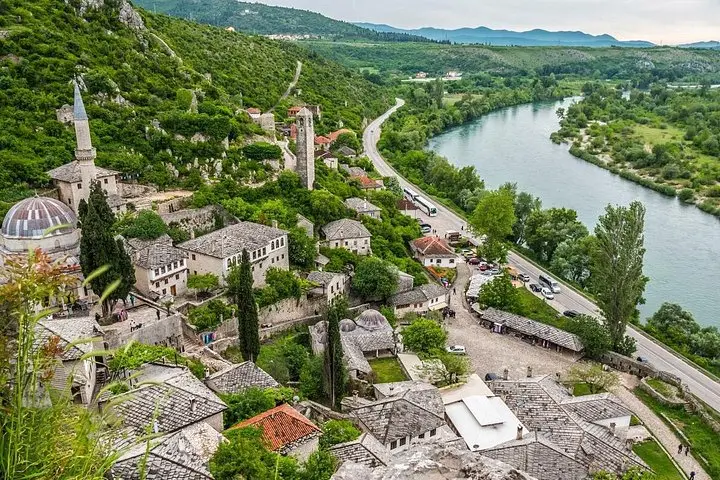
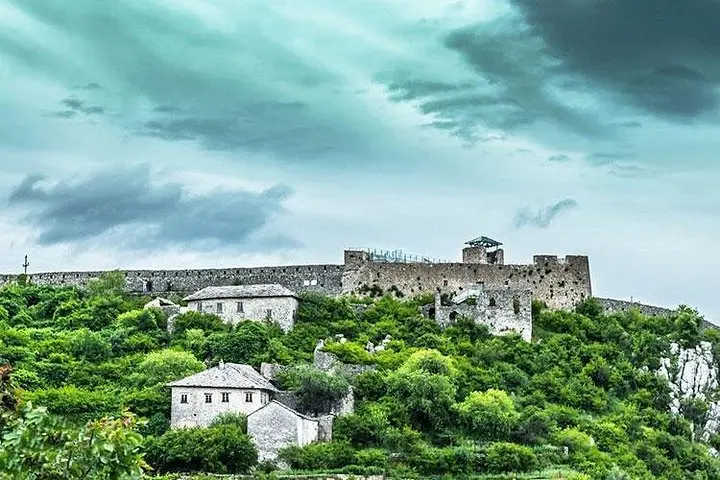
This private day tour stitches together Herzegovina’s most striking sites: Mostar’s rebuilt Ottoman bridge and cobbled lanes, the tumbling tufa curtains of Kravica Falls, the spring-fed calm at Blagaj’s Buna source, and the hilltop towers of Počitelj. Geology explains the drama — porous limestone and subterranean rivers create caves, springs and waterfalls that shaped local settlement patterns and agriculture for centuries.
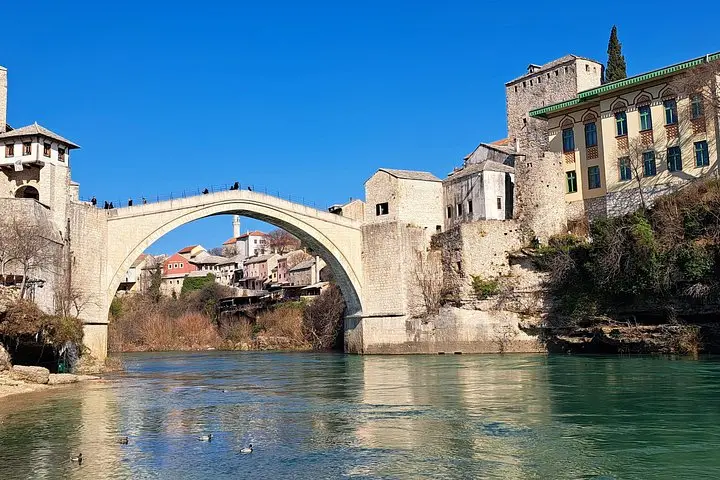
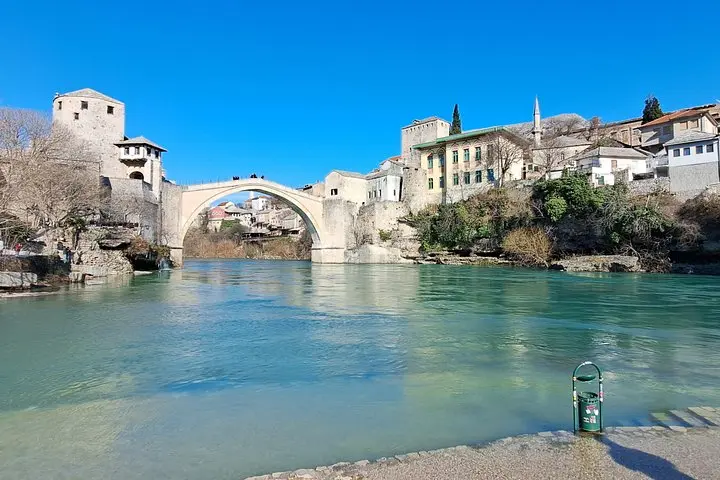
History here is layered: Ottoman trade and Dinaric pastoral life left mosques, tekijas and fortified villages; 20th‑century conflict and postwar restoration are visible in stone and memory, most visibly in Mostar’s Stari Most. Local culture ranges from meditative pilgrimage at Medjugorje to convivial riverside cafes where Bosnian coffee is poured slowly and conversation is a sport.
Practically, expect a long but relaxed day — 12–16 hours of driving and short walks, with time to swim at Kravica in summer or photograph Blagaj’s springhouse in softer light. Border formalities require passports; wear sturdy shoes for uneven streets and bring layers for changing microclimates. Hydrate, carry cash in BAM for small vendors, and respect religious sites’ dress codes. With a private driver-guide, you’ll cover ground efficiently while still getting time to pause where the rivers pull you in.
Many nationalities can enter Bosnia and Herzegovina visa‑free for short stays, but you must carry a valid passport; check consular advice for your country before travel.
Yes—most itineraries include a swim window in summer; bring swimwear and expect changing facilities to be basic or paid.
Cards are accepted in larger towns, but bring BAM (convertible mark) or euros for smaller vendors, parking and tips.
Accessibility varies: urban areas have cobblestones and steps; Kravica and some viewpoints have uneven terrain—check specific needs with the operator ahead of booking.
Ragusa Tours operates guided outdoor trips and adventures with an emphasis on safety, stewardship, and memorable experiences.
You step out of the minivan and the air changes — limestone cliffs and pine-scented wind replace Dubrovnik’s Adriatic salt. The road carves through karst plateaus, and the Neretva river below seems to pull the landscape toward it, daring you to follow.
You step out of the minivan and the air changes — limestone cliffs and pine-scented wind replace Dubrovnik’s Adriatic salt. The road carves through karst plateaus, and the Neretva river below seems to pull the landscape toward it, daring you to follow.
This private day tour stitches together Herzegovina’s most striking sites: Mostar’s rebuilt Ottoman bridge and cobbled lanes, the tumbling tufa curtains of Kravica Falls, the spring-fed calm at Blagaj’s Buna source, and the hilltop towers of Počitelj. Geology explains the drama — porous limestone and subterranean rivers create caves, springs and waterfalls that shaped local settlement patterns and agriculture for centuries.
History here is layered: Ottoman trade and Dinaric pastoral life left mosques, tekijas and fortified villages; 20th‑century conflict and postwar restoration are visible in stone and memory, most visibly in Mostar’s Stari Most. Local culture ranges from meditative pilgrimage at Medjugorje to convivial riverside cafes where Bosnian coffee is poured slowly and conversation is a sport.
Practically, expect a long but relaxed day — 12–16 hours of driving and short walks, with time to swim at Kravica in summer or photograph Blagaj’s springhouse in softer light. Border formalities require passports; wear sturdy shoes for uneven streets and bring layers for changing microclimates. Hydrate, carry cash in BAM for small vendors, and respect religious sites’ dress codes. With a private driver-guide, you’ll cover ground efficiently while still getting time to pause where the rivers pull you in.