THE ADVENTURE COLLECTIVE® · Independent discovery and booking for outdoor travel

Escape Fes for a day and watch Chefchaouen appear on the Rif slopes—a compact blue medina full of narrow lanes, a historic kasbah, and mountain viewpoints. This guide covers what to expect, practical tips, and seasonal advice for a smooth visit.
Escape Fes for a day and watch Chefchaouen appear on the Rif slopes—a compact blue medina full of narrow lanes, a historic kasbah, and mountain viewpoints. This guide covers what to expect, practical tips, and seasonal advice for a smooth visit.
The bus eases out of Fes before dawn, the Rif Mountains drawing closer with each winding kilometer until a cluster of bluewashed houses appears on a hillside—Chefchaouen’s medina unfolds like a painted map.
Verified experiences and guided adventures in the surrounding area.
Operated by In-Morocco · Chefchaouen, Tanger-Tetouan-Al Hoceima
The bus eases out of Fes before dawn, the Rif Mountains drawing closer with each winding kilometer until a cluster of bluewashed houses appears on a hillside—Chefchaouen’s medina unfolds like a painted map.
Founded in the 15th century as a mountain stronghold, Chefchaouen blends Andalusian architecture with Berber and Moroccan traditions. The town sits on folded limestone and schist of the Rif range; terraces and narrow lanes follow the contours of steep valleys. The kasbah plaza, rebuilt under Moulay Ismail, anchors the medina and offers a compact vantage to watch local life: merchants laying out dyed textiles, cafes filling with tea steam.
Culturally, the blue pigment is said to repel mosquitoes and reflect spiritual influences from Jewish settlers; today it’s both practical and photographic. Outside the walls, the Rif’s ridgelines invite short walks to the Spanish Mosque viewpoint, where the town’s blue roofscape meets serrated peaks.
Practical guidance: expect a 3–4 hour drive each way from Fes and plan for 8–12 hours door-to-door. Bring cash—small shops often don’t take cards—and wear shoes that handle slick cobbles and steep steps. Hydrate before and during your visit; terraces and cafes are good rest points. Respect local norms: modest dress and polite asking before photographing people. If you want quieter streets, arrive mid-morning or stay past late afternoon when tour groups thin. This day trip is light on technical demand but rich in visual and cultural detail—ideal for travelers who want a concentrated dose of Morocco’s mountain medina life.
The transfer typically takes about 3–4 hours each way depending on traffic and stops along the Rif Mountains.
Yes—the medina is compact and walkable, but expect narrow alleys, steps and uneven cobbles; mobility limitations may make some areas difficult.
Meals are generally not included; there are many cafés and restaurants in the medina where you can buy tajine, salads, and refreshments.
Photography is common, but ask permission before photographing people, and be respectful of private homes and local customs.
In-Morocco operates guided outdoor trips and adventures with an emphasis on safety, stewardship, and memorable experiences.
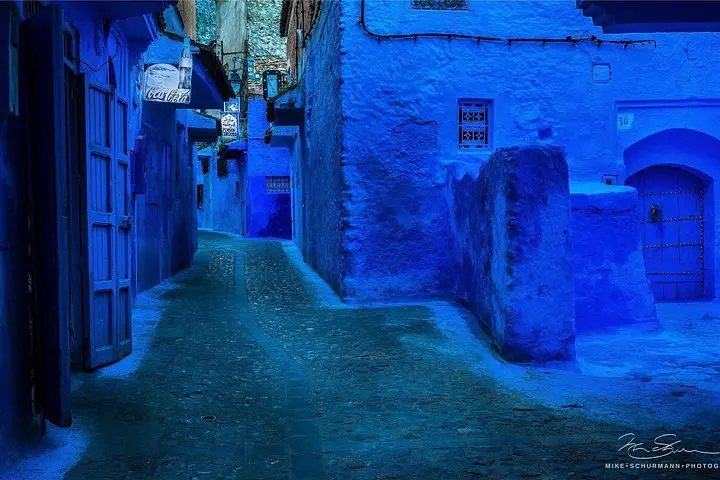
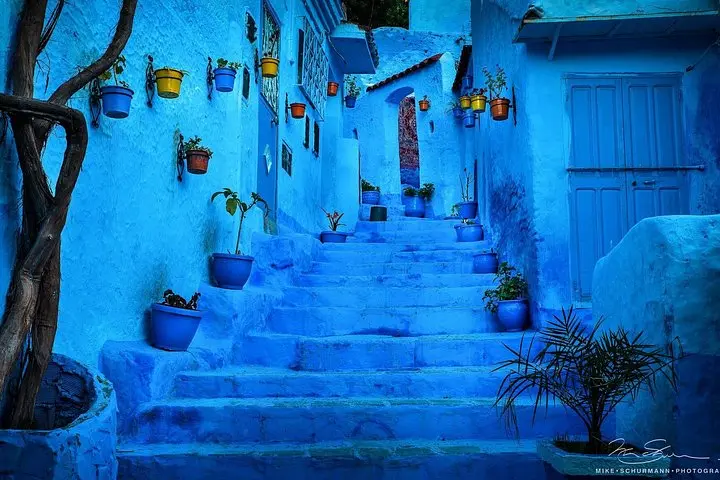
The bus eases out of Fes before dawn, the Rif Mountains drawing closer with each winding kilometer until a cluster of bluewashed houses appears on a hillside—Chefchaouen’s medina unfolds like a painted map.
The bus eases out of Fes before dawn, the Rif Mountains drawing closer with each winding kilometer until a cluster of bluewashed houses appears on a hillside—Chefchaouen’s medina unfolds like a painted map.
Founded in the 15th century as a mountain stronghold, Chefchaouen blends Andalusian architecture with Berber and Moroccan traditions. The town sits on folded limestone and schist of the Rif range; terraces and narrow lanes follow the contours of steep valleys. The kasbah plaza, rebuilt under Moulay Ismail, anchors the medina and offers a compact vantage to watch local life: merchants laying out dyed textiles, cafes filling with tea steam.
Culturally, the blue pigment is said to repel mosquitoes and reflect spiritual influences from Jewish settlers; today it’s both practical and photographic. Outside the walls, the Rif’s ridgelines invite short walks to the Spanish Mosque viewpoint, where the town’s blue roofscape meets serrated peaks.
Practical guidance: expect a 3–4 hour drive each way from Fes and plan for 8–12 hours door-to-door. Bring cash—small shops often don’t take cards—and wear shoes that handle slick cobbles and steep steps. Hydrate before and during your visit; terraces and cafes are good rest points. Respect local norms: modest dress and polite asking before photographing people. If you want quieter streets, arrive mid-morning or stay past late afternoon when tour groups thin. This day trip is light on technical demand but rich in visual and cultural detail—ideal for travelers who want a concentrated dose of Morocco’s mountain medina life.