THE ADVENTURE COLLECTIVE® · Independent discovery and booking for outdoor travel

A full-day circuit from Fes into the Middle Atlas visiting Imouzzer Kandar, Ifrane, the cedar forest and Azrou. Expect a mix of short walks, wildlife encounters, and layered mountain weather over a 6–8 hour day.
A full-day circuit from Fes into the Middle Atlas visiting Imouzzer Kandar, Ifrane, the cedar forest and Azrou. Expect a mix of short walks, wildlife encounters, and layered mountain weather over a 6–8 hour day.
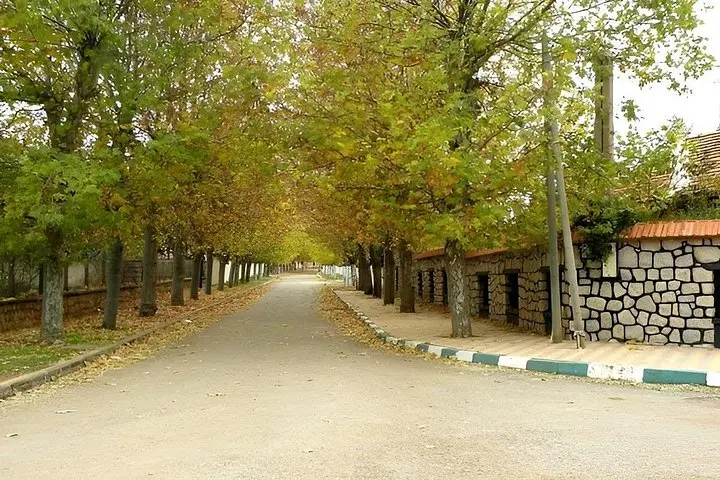
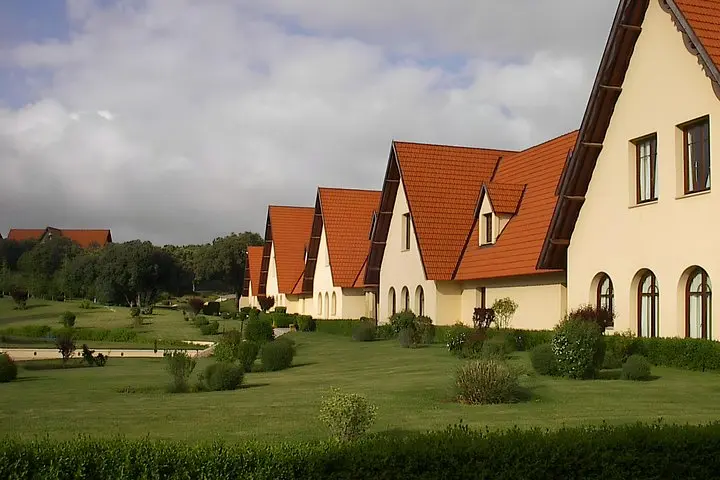
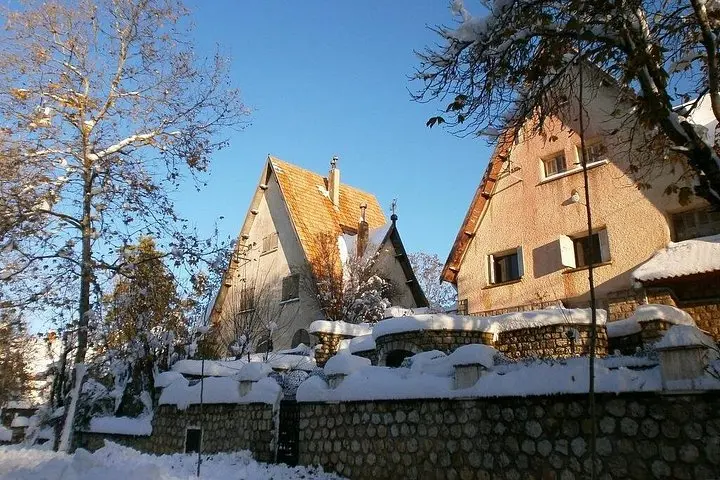
You leave Fes on a cool morning and the road climbs into the Middle Atlas, windows framing slopes that shift from scrub to dark cedar. Air thins; towns with French-era villas appear, their red roofs and squared facades a clear mark of the region’s 20th-century hill-station past. By midmorning you’re in Imouzzer Kandar, its streets quiet, French architecture giving way to stone homes cut into the rock where families still brew strong mint tea.
Verified experiences and guided adventures in the surrounding area.
Operated by TARBOOSH TRAVEL · Azrou, Fès-Meknès
You leave Fes on a cool morning and the road climbs into the Middle Atlas, windows framing slopes that shift from scrub to dark cedar. Air thins; towns with French-era villas appear, their red roofs and squared facades a clear mark of the region’s 20th-century hill-station past. By midmorning you’re in Imouzzer Kandar, its streets quiet, French architecture giving way to stone homes cut into the rock where families still brew strong mint tea.
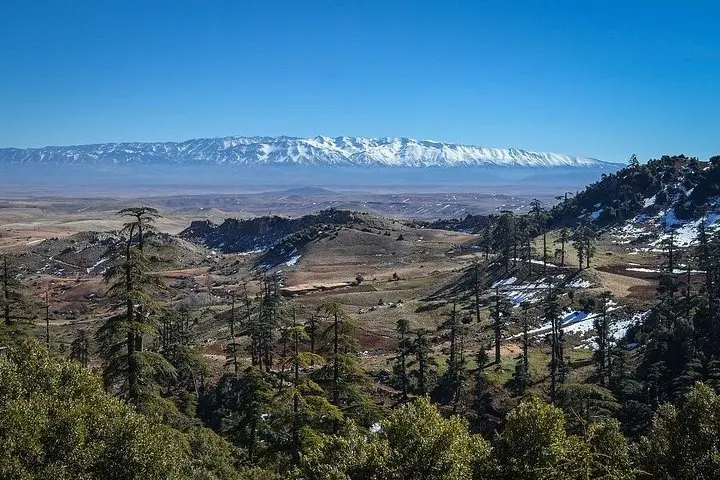
Ifrane follows — often called the “Little Switzerland” for its alpine plan and manic lawns rather than snowfields — a clean pause for photos and a short walk. Geologically the Middle Atlas is older, folded and eroded limestone and sandstone; here, groves of Atlas cedar cling to higher, cooler ridges. The cedar forest near Azrou is among the largest in Morocco and is a refuge for the Barbary macaque, whose curious presence shapes how visitors move through the trees.
Culturally, the route threads Berber villages, French colonial urbanism, and forest economies: shepherds, small markets and horse handlers who offer short rides under the cedars. Practical notes: the full circuit runs about 6–8 hours with multiple short stops, light walking and optional short climbs (Azrou rock). Weather changes quickly with altitude — layers and sun protection matter. Carry water, respect wildlife (don’t feed monkeys), and plan for lunch in Azrou where local dishes reflect mountain produce. The day is straightforward to navigate by car but rewards slow observation: architecture, geology, and the cedar forest’s cool shade.
Yes — the tour typically departs from a designated pickup point in Fes (confirm exact location at booking).
Lunch is not included; there’s a scheduled break in Azrou where you can buy local dishes at cafés or restaurants.
You can observe and photograph Barbary macaques at close range, but feeding or touching them is discouraged for safety and conservation reasons.
Yes — the itinerary involves low-intensity walking and vehicle transfers; however, participants should be able to handle short walks and variable terrain.
TARBOOSH TRAVEL operates guided outdoor trips and adventures with an emphasis on safety, stewardship, and memorable experiences.
You leave Fes on a cool morning and the road climbs into the Middle Atlas, windows framing slopes that shift from scrub to dark cedar. Air thins; towns with French-era villas appear, their red roofs and squared facades a clear mark of the region’s 20th-century hill-station past. By midmorning you’re in Imouzzer Kandar, its streets quiet, French architecture giving way to stone homes cut into the rock where families still brew strong mint tea.
You leave Fes on a cool morning and the road climbs into the Middle Atlas, windows framing slopes that shift from scrub to dark cedar. Air thins; towns with French-era villas appear, their red roofs and squared facades a clear mark of the region’s 20th-century hill-station past. By midmorning you’re in Imouzzer Kandar, its streets quiet, French architecture giving way to stone homes cut into the rock where families still brew strong mint tea.
Ifrane follows — often called the “Little Switzerland” for its alpine plan and manic lawns rather than snowfields — a clean pause for photos and a short walk. Geologically the Middle Atlas is older, folded and eroded limestone and sandstone; here, groves of Atlas cedar cling to higher, cooler ridges. The cedar forest near Azrou is among the largest in Morocco and is a refuge for the Barbary macaque, whose curious presence shapes how visitors move through the trees.
Culturally, the route threads Berber villages, French colonial urbanism, and forest economies: shepherds, small markets and horse handlers who offer short rides under the cedars. Practical notes: the full circuit runs about 6–8 hours with multiple short stops, light walking and optional short climbs (Azrou rock). Weather changes quickly with altitude — layers and sun protection matter. Carry water, respect wildlife (don’t feed monkeys), and plan for lunch in Azrou where local dishes reflect mountain produce. The day is straightforward to navigate by car but rewards slow observation: architecture, geology, and the cedar forest’s cool shade.