THE ADVENTURE COLLECTIVE® · Independent discovery and booking for outdoor travel

Explore Kyushu in a single, full day: historic Kumamoto Castle, the grassy Kusasenri plain beneath Mount Aso’s steaming crater, and a restorative stop in Kurokawa Onsen. Expect geological drama, pastoral scenery, and practical tips for a long but accessible day trip from Fukuoka.
Explore Kyushu in a single, full day: historic Kumamoto Castle, the grassy Kusasenri plain beneath Mount Aso’s steaming crater, and a restorative stop in Kurokawa Onsen. Expect geological drama, pastoral scenery, and practical tips for a long but accessible day trip from Fukuoka.
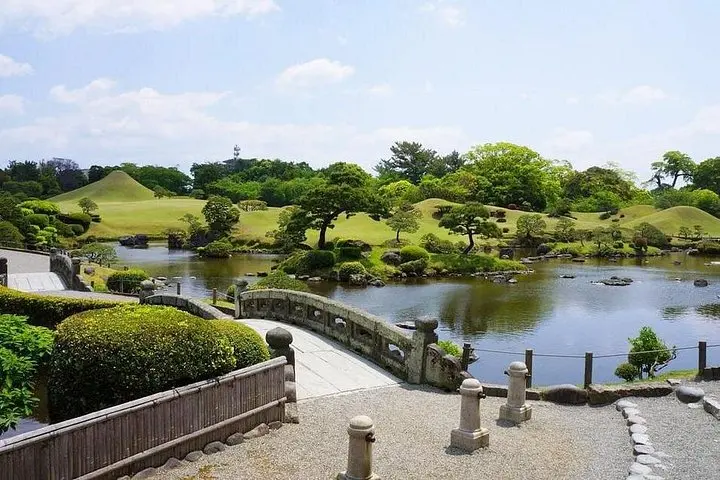
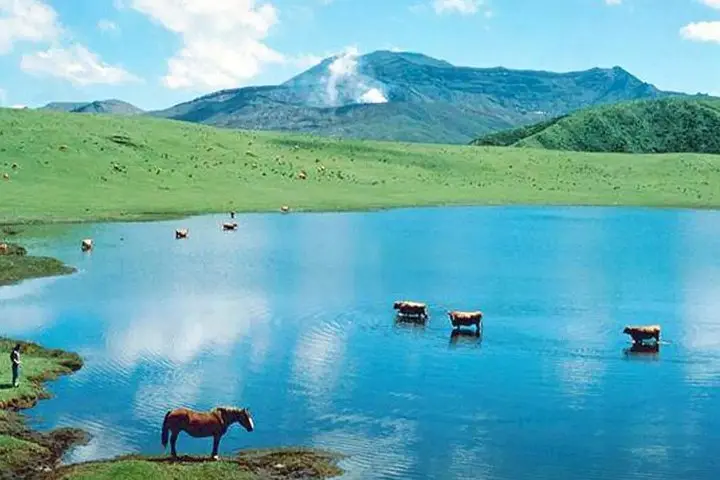
You step off the coach into a courtyard ringed by stone walls—Kumamoto Castle’s black timber rising against a clear Kyushu sky. Cherry blossoms or green leaves, the castle’s rebuilt keep and ramparts read like pages of Japan’s feudal past. The day unfolds from tidy castle grounds to the broad Kusasenri plain where grasses sway and horses graze under the watchful presence of Mount Aso’s smoking dome.
Verified experiences and guided adventures in the surrounding area.
Operated by TrevoTour Travels · Aso, Kumamoto Prefecture
You step off the coach into a courtyard ringed by stone walls—Kumamoto Castle’s black timber rising against a clear Kyushu sky. Cherry blossoms or green leaves, the castle’s rebuilt keep and ramparts read like pages of Japan’s feudal past. The day unfolds from tidy castle grounds to the broad Kusasenri plain where grasses sway and horses graze under the watchful presence of Mount Aso’s smoking dome.
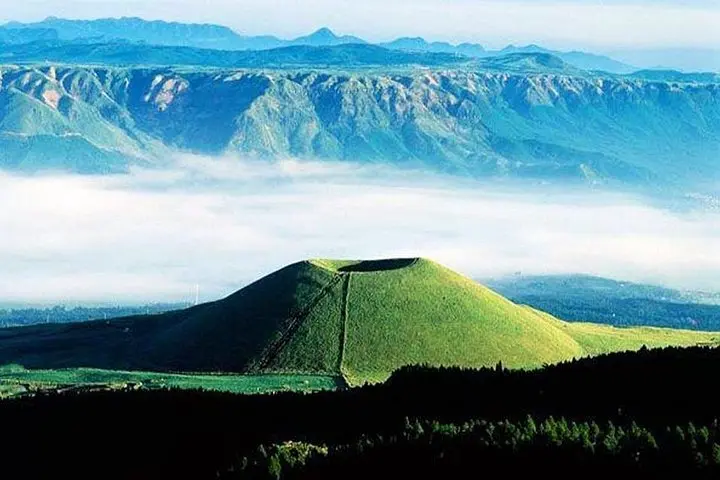
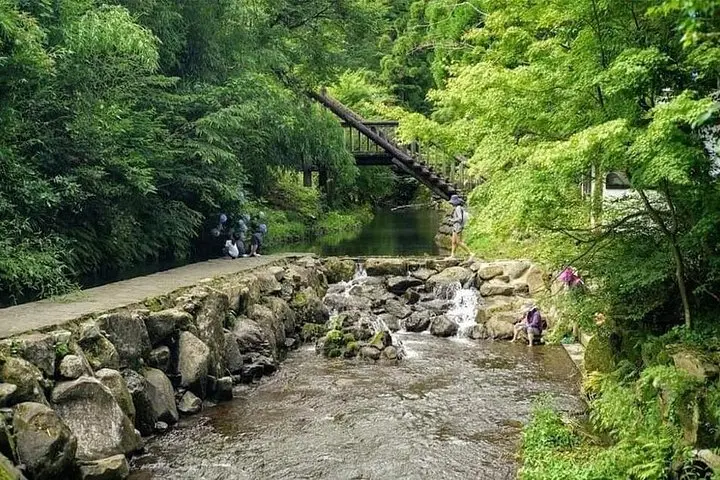
Geology dominates the region: Aso is one of the world’s largest calderas, its Nakadake crater regularly releasing steam and altering access. History is close at hand—Kumamoto Castle, rebuilt after earthquakes, anchors the prefecture’s samurai legacy, while nearby shrines like Dazaifu Tenmangu add layers of spiritual life. Kurokawa Onsen closes the loop with hot springs and wooden ryokan lining narrow streets, a local expression of onsen culture.
On the ground expect a long day (about 10–11 hours), mostly easy walking at low-to-moderate elevation but with brief hikes to viewpoints and optional horseback rides across Kusasenri. Weather can change quickly on the plateau—wind and volcanic steam make layering essential. Check the Aso volcanic alert before you go; crater access is sometimes restricted and itineraries shift accordingly. Bring cash for lunch and onsen day-passes, carry 1–2 liters of water, and wear sturdy shoes for uneven volcanic terrain. Time your visit for clear weather if crater views matter—early departures from Fukuoka give the best chance of clear skies and relaxed stops.
The tour runs about 10–11 hours from Fukuoka and typically includes Kumamoto Castle, Kusasenri, Aso crater viewpoints, Aso Volcano Museum, and either Kurokawa Onsen or Dazaifu depending on the itinerary line.
No—access to Nakadake crater depends on volcanic activity and can be restricted; when closed, the tour spends more time at Kusasenri or other nearby viewpoints.
Yes—guided horseback options on the Kusasenri plain are typically beginner-friendly, but confirm age/weight limits and ride duration with the operator.
Lunch is generally at your own expense; the tour may stop at local restaurants or roadside stalls so budget accordingly.
TrevoTour Travels operates guided outdoor trips and adventures with an emphasis on safety, stewardship, and memorable experiences.
You step off the coach into a courtyard ringed by stone walls—Kumamoto Castle’s black timber rising against a clear Kyushu sky. Cherry blossoms or green leaves, the castle’s rebuilt keep and ramparts read like pages of Japan’s feudal past. The day unfolds from tidy castle grounds to the broad Kusasenri plain where grasses sway and horses graze under the watchful presence of Mount Aso’s smoking dome.
You step off the coach into a courtyard ringed by stone walls—Kumamoto Castle’s black timber rising against a clear Kyushu sky. Cherry blossoms or green leaves, the castle’s rebuilt keep and ramparts read like pages of Japan’s feudal past. The day unfolds from tidy castle grounds to the broad Kusasenri plain where grasses sway and horses graze under the watchful presence of Mount Aso’s smoking dome.
Geology dominates the region: Aso is one of the world’s largest calderas, its Nakadake crater regularly releasing steam and altering access. History is close at hand—Kumamoto Castle, rebuilt after earthquakes, anchors the prefecture’s samurai legacy, while nearby shrines like Dazaifu Tenmangu add layers of spiritual life. Kurokawa Onsen closes the loop with hot springs and wooden ryokan lining narrow streets, a local expression of onsen culture.
On the ground expect a long day (about 10–11 hours), mostly easy walking at low-to-moderate elevation but with brief hikes to viewpoints and optional horseback rides across Kusasenri. Weather can change quickly on the plateau—wind and volcanic steam make layering essential. Check the Aso volcanic alert before you go; crater access is sometimes restricted and itineraries shift accordingly. Bring cash for lunch and onsen day-passes, carry 1–2 liters of water, and wear sturdy shoes for uneven volcanic terrain. Time your visit for clear weather if crater views matter—early departures from Fukuoka give the best chance of clear skies and relaxed stops.