
Day Trip from Gangtok to Tsomgo (Tsomgo/Changu) Lake: Drive, Views & High-Altitude Insight
A high-altitude day trip from Gangtok to Tsomgo (Changu) Lake, this seven‑hour drive climbs nearly 4,600 feet through pine and snow to a glacial basin famous for its shifting colors. Expect steep roads, prayer flags, yak stalls and strict permit requirements—prepare layers and documents to make the most of clear-weather views.
An Adventure In Gangtok.
A high-altitude day trip from Gangtok to Tsomgo (Changu) Lake, this seven‑hour drive climbs nearly 4,600 feet through pine and snow to a glacial basin famous for its shifting colors. Expect steep roads, prayer flags, yak stalls and strict permit requirements—prepare layers and documents to make the most of clear-weather views.
Read the full experience
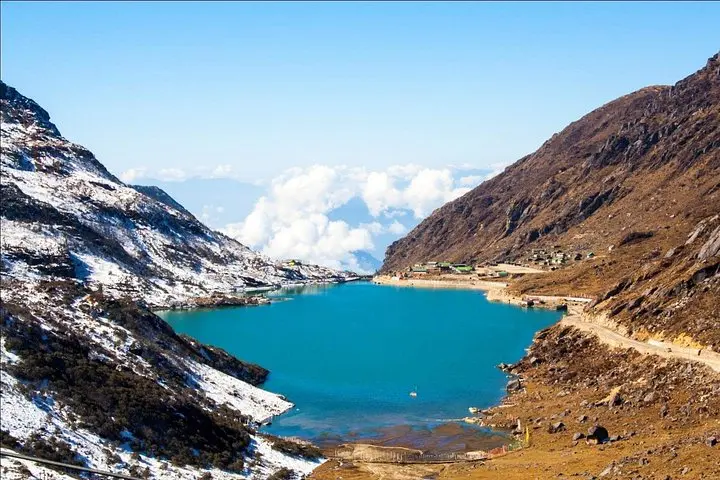
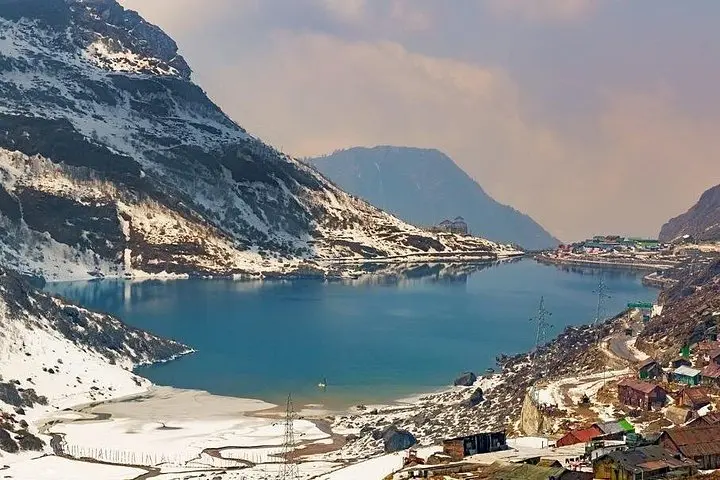
You arrive before sunrise and the hill road already tastes of cold: diesel, pine resin and the thin metallic air that comes with climbing. The van hums as it peels away from Gangtok, and in 25 miles the town’s soft pastels give way to a sharper geometry of snow cornices, prayer flags and jagged ridgelines. Tsomgo—also called Changu Lake—appears like a high-mountain eye: a glassy oval ringed by snow that can change color with the light and the mood of the sky.
You arrive before sunrise and the hill road already tastes of cold: diesel, pine resin and the thin metallic air that comes with climbing. The van hums as it peels away from Gangtok, and in 25 miles the town’s soft pastels give way to a sharper geometry of snow cornices, prayer flags and jagged ridgelines. Tsomgo—also called Changu Lake—appears like a high-mountain eye: a glassy oval ringed by snow that can change color with the light and the mood of the sky.
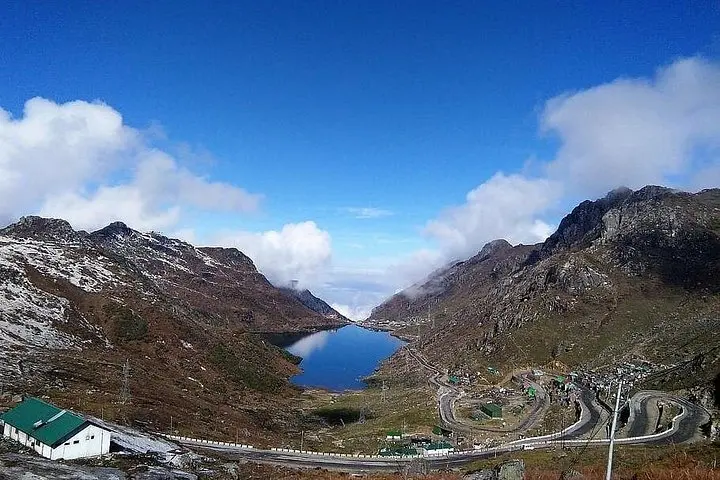
The drive is the first feature of the day. In less than an hour you climb from roughly 5,410 feet in Gangtok to about 10,000 feet at the lake—a sustained elevation gain of nearly 4,600 feet over steep, switchback roads. That rapid ascent shapes everything: the temperature drops, oxygen thins, and the landscape slides from subtropical forest into alpine meadows and permanent snowfields.
Geologically Tsomgo is a glacial lake fed by meltwater and seasonal snow. It freezes during the cold months—sometimes holding ice into May—then thaws into a deep blue basin that mirrors the ridges above. Culturally the lake is threaded with local belief: Sikkimese and Nepali communities nearby consider it sacred, and prayer flags and small stupas punctuate the approaches. Vendors and yak handlers set up near the parking area during the tourist season, offering short rides and steaming cups of tea.
Practically speaking this is a high-altitude day trip best done with preparation. Permits are non-negotiable: a Sikkim Inner Line Permit and a Restricted Area Permit are required, and the latter often needs scanned passport and visa copies sent at least ten working days ahead; operators typically require a minimum two-person booking to issue the permit. The excursion runs about seven hours round-trip, including two hours at the lake itself.
Bring layers and expect wind: an insulated shell and a mid-layer are essential. Footwear should handle snowmelt and icy patches—waterproof boots are ideal. Hydrate and pace yourself on the drive; mild altitude symptoms are common after such a quick climb. Photography rewards patience: reflections and low-angle light make dramatic frame-worthy images in clear weather.
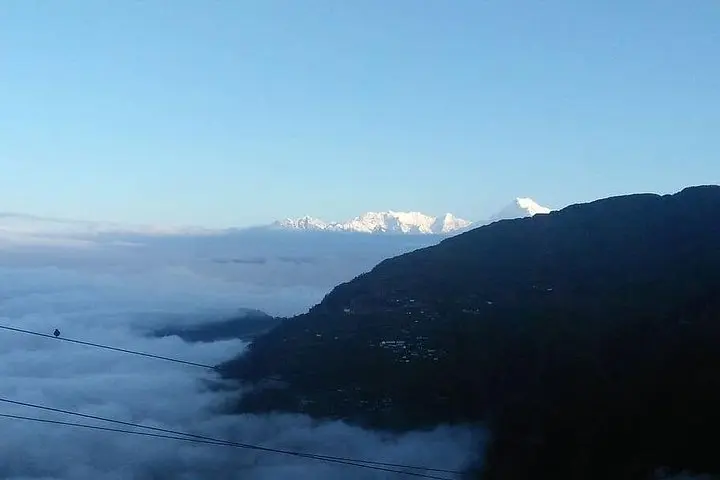
On arrival, walk the lake rim, read the prayer flags, and follow smaller tracks up to viewpoints for a cleaner vista of the basin without the stalls. If you want to extend the feel of the region, ask your guide about nearby ridge trails or a short stop at a traditional Sikkimese tea house back in Gangtok. The trip is compact, cinematic and intensely local: a brisk, high-altitude taste of Sikkim that pairs well with time spent in Gangtok or a longer journey into the Kanchenjunga foothills.
Frequently asked questions
Yes. Visitors require a Sikkim Inner Line Permit plus a Restricted Area Permit; some nationalities must apply through the Ministry of External Affairs—your operator will advise on documentation and timelines.
The lake is about 25 miles from Gangtok; expect roughly 1.5–2 hours each way depending on traffic and road conditions, with a total trip time around seven hours.
The lake is accessible most of the year but can be closed or difficult in heavy winter snow or monsoon; operators monitor conditions and may reschedule.
Because you climb rapidly to ~10,000 ft, some visitors report mild symptoms—headache, shortness of breath—so hydrate, move slowly and inform the guide if you feel unwell.
Basic facilities and seasonal vendor stalls are near the parking area; bring water and snacks if you prefer, though operators often include bottled water.
Yak rides are offered seasonally by local handlers; availability depends on weather and permits—confirm with your guide on site.
About This Experience
SITA World Tours operates guided outdoor trips and adventures with an emphasis on safety, stewardship, and memorable experiences.
Adventure tips
Recommended gear
- Insulated jacket: Keeps you warm during high-altitude stops where wind and cold are constant.
- Waterproof hiking boots: Support and grip for icy or muddy shorelines and short walks around the lake.
- Sunscreen and sunglasses: High-altitude UV is intense—even on cloudy days—so protect skin and eyes.
- Original passport and permit copies (and backups): Required for Sikkim Inner Line and Restricted Area permits; bring printed and digital copies.
Photos of the experience
Related adventures & guides
Read the full experience
You arrive before sunrise and the hill road already tastes of cold: diesel, pine resin and the thin metallic air that comes with climbing. The van hums as it peels away from Gangtok, and in 25 miles the town’s soft pastels give way to a sharper geometry of snow cornices, prayer flags and jagged ridgelines. Tsomgo—also called Changu Lake—appears like a high-mountain eye: a glassy oval ringed by snow that can change color with the light and the mood of the sky.
You arrive before sunrise and the hill road already tastes of cold: diesel, pine resin and the thin metallic air that comes with climbing. The van hums as it peels away from Gangtok, and in 25 miles the town’s soft pastels give way to a sharper geometry of snow cornices, prayer flags and jagged ridgelines. Tsomgo—also called Changu Lake—appears like a high-mountain eye: a glassy oval ringed by snow that can change color with the light and the mood of the sky.
The drive is the first feature of the day. In less than an hour you climb from roughly 5,410 feet in Gangtok to about 10,000 feet at the lake—a sustained elevation gain of nearly 4,600 feet over steep, switchback roads. That rapid ascent shapes everything: the temperature drops, oxygen thins, and the landscape slides from subtropical forest into alpine meadows and permanent snowfields.
Geologically Tsomgo is a glacial lake fed by meltwater and seasonal snow. It freezes during the cold months—sometimes holding ice into May—then thaws into a deep blue basin that mirrors the ridges above. Culturally the lake is threaded with local belief: Sikkimese and Nepali communities nearby consider it sacred, and prayer flags and small stupas punctuate the approaches. Vendors and yak handlers set up near the parking area during the tourist season, offering short rides and steaming cups of tea.
Practically speaking this is a high-altitude day trip best done with preparation. Permits are non-negotiable: a Sikkim Inner Line Permit and a Restricted Area Permit are required, and the latter often needs scanned passport and visa copies sent at least ten working days ahead; operators typically require a minimum two-person booking to issue the permit. The excursion runs about seven hours round-trip, including two hours at the lake itself.
Bring layers and expect wind: an insulated shell and a mid-layer are essential. Footwear should handle snowmelt and icy patches—waterproof boots are ideal. Hydrate and pace yourself on the drive; mild altitude symptoms are common after such a quick climb. Photography rewards patience: reflections and low-angle light make dramatic frame-worthy images in clear weather.
On arrival, walk the lake rim, read the prayer flags, and follow smaller tracks up to viewpoints for a cleaner vista of the basin without the stalls. If you want to extend the feel of the region, ask your guide about nearby ridge trails or a short stop at a traditional Sikkimese tea house back in Gangtok. The trip is compact, cinematic and intensely local: a brisk, high-altitude taste of Sikkim that pairs well with time spent in Gangtok or a longer journey into the Kanchenjunga foothills.
Make a day of it nearby.
Verified experiences and guided adventures in the surrounding area.