THE ADVENTURE COLLECTIVE® · Independent discovery and booking for outdoor travel

Spend a full day from Lisbon visiting Cristo Rei’s sweeping view, the dramatic Cape Espichel headlands, the limestone cliffs of Arrábida Natural Park and the fishing traditions of Setúbal. This vehicle-led trip mixes short walks, coastal viewpoints and cultural stops.
Spend a full day from Lisbon visiting Cristo Rei’s sweeping view, the dramatic Cape Espichel headlands, the limestone cliffs of Arrábida Natural Park and the fishing traditions of Setúbal. This vehicle-led trip mixes short walks, coastal viewpoints and cultural stops.
You arrive with the Tagus on your left and the Atlantic opening ahead — first at the base of Cristo Rei where the city of Lisbon sits across the river like a map to explore, then out along winding coastal roads to cliffs that push the ocean into foamy action.
Verified experiences and guided adventures in the surrounding area.
Operated by Sucesso e Dedicação · Setúbal, Setúbal District
You arrive with the Tagus on your left and the Atlantic opening ahead — first at the base of Cristo Rei where the city of Lisbon sits across the river like a map to explore, then out along winding coastal roads to cliffs that push the ocean into foamy action.
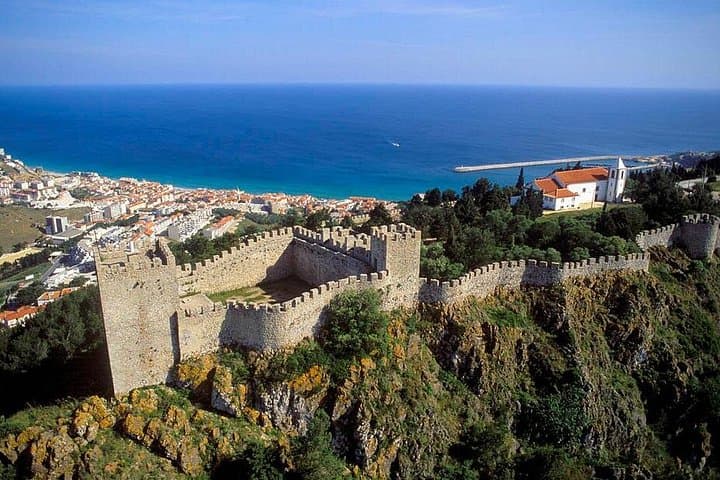
Cristo Rei (133 m above the Tagus) was inspired by Rio’s Christ the Redeemer and finished in the mid‑20th century as both a religious monument and panoramic lookout. From there the route moves south: Cape Espichel’s stony promontory and 18th‑century lighthouse keep watch over ship lanes, while Sesimbra’s medieval castle crowns bays carved by limestone and topped in places by Mediterranean maquis. Arrábida Natural Park is geologically distinct — limestone ridges and sheltered coves where clear water meets white sand and rare orchids still find refuge. Setúbal, a port since Roman times, offers fishermen’s quarters and markets where the local catch defines the culture.
Practical guidance: this is a full‑day, largely vehicle‑based tour with short walks and cliffside viewpoints rather than long hikes — expect uneven paths and exposed viewpoints. Bring sun protection, water, and sturdy shoes for rocky ground; mornings are cooler and less windy for photos and calmer seas. Cash helps for small stalls in Setúbal; check tide and weather forecasts if you plan to swim. Accessibility is generally good for the vehicle route and many viewpoints, but some castle and cliff areas have steps and rough terrain. Plan for about 8 hours including driving and stops, and leave room to sample fresh seafood in Setúbal before returning to Lisbon.
This tour typically covers transport and viewpoint stops; individual attraction admissions are usually not included—confirm at booking.
Expect short, mostly easy walks (10–30 minutes) at viewpoints and around the castle; no long hikes are required.
Vehicles and many viewpoints are accessible, but some sites like the castle and cliff edges have steps or uneven surfaces that limit access.
Yes—Arrábida has safe, sandy coves for swimming, but check weather and sea conditions and allow extra time for a beach stop.
Sucesso e Dedicação operates guided outdoor trips and adventures with an emphasis on safety, stewardship, and memorable experiences.



You arrive with the Tagus on your left and the Atlantic opening ahead — first at the base of Cristo Rei where the city of Lisbon sits across the river like a map to explore, then out along winding coastal roads to cliffs that push the ocean into foamy action.
You arrive with the Tagus on your left and the Atlantic opening ahead — first at the base of Cristo Rei where the city of Lisbon sits across the river like a map to explore, then out along winding coastal roads to cliffs that push the ocean into foamy action.
Cristo Rei (133 m above the Tagus) was inspired by Rio’s Christ the Redeemer and finished in the mid‑20th century as both a religious monument and panoramic lookout. From there the route moves south: Cape Espichel’s stony promontory and 18th‑century lighthouse keep watch over ship lanes, while Sesimbra’s medieval castle crowns bays carved by limestone and topped in places by Mediterranean maquis. Arrábida Natural Park is geologically distinct — limestone ridges and sheltered coves where clear water meets white sand and rare orchids still find refuge. Setúbal, a port since Roman times, offers fishermen’s quarters and markets where the local catch defines the culture.
Practical guidance: this is a full‑day, largely vehicle‑based tour with short walks and cliffside viewpoints rather than long hikes — expect uneven paths and exposed viewpoints. Bring sun protection, water, and sturdy shoes for rocky ground; mornings are cooler and less windy for photos and calmer seas. Cash helps for small stalls in Setúbal; check tide and weather forecasts if you plan to swim. Accessibility is generally good for the vehicle route and many viewpoints, but some castle and cliff areas have steps and rough terrain. Plan for about 8 hours including driving and stops, and leave room to sample fresh seafood in Setúbal before returning to Lisbon.