THE ADVENTURE COLLECTIVE® · Independent discovery and booking for outdoor travel

Escape Marrakech for a day on Morocco’s Atlantic coast: watch goats in argan trees, walk a UNESCO medina, and eat grilled fish by the harbor. This full-day shared trip mixes roadside argan cooperative visits with free time to explore Essaouira’s ramparts and souks.
Escape Marrakech for a day on Morocco’s Atlantic coast: watch goats in argan trees, walk a UNESCO medina, and eat grilled fish by the harbor. This full-day shared trip mixes roadside argan cooperative visits with free time to explore Essaouira’s ramparts and souks.
You step into wind off the Atlantic before you reach the town: a cool, salt-edged breath that moves through low white houses, pushes across the ramparts and tugs at the stalls of the port.
Verified experiences and guided adventures in the surrounding area.
Operated by Fes Tours Guide · Essaouira, Marrakesh-Safi
You step into wind off the Atlantic before you reach the town: a cool, salt-edged breath that moves through low white houses, pushes across the ramparts and tugs at the stalls of the port.
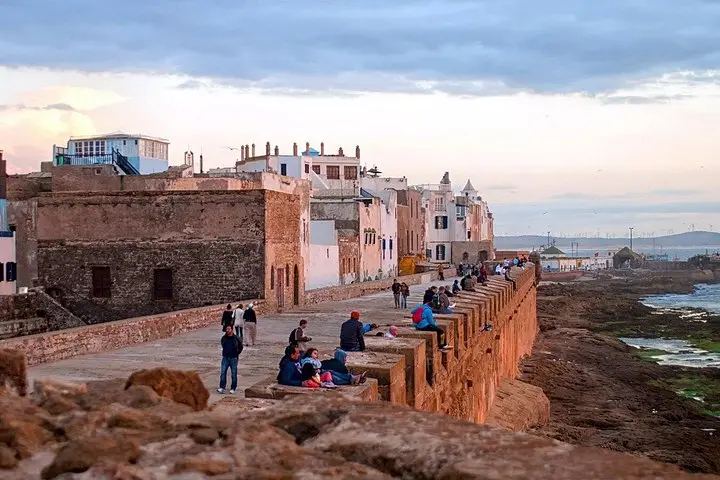
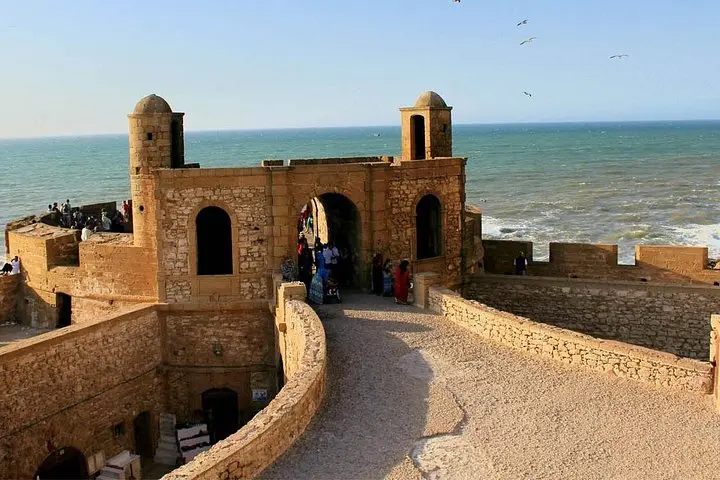
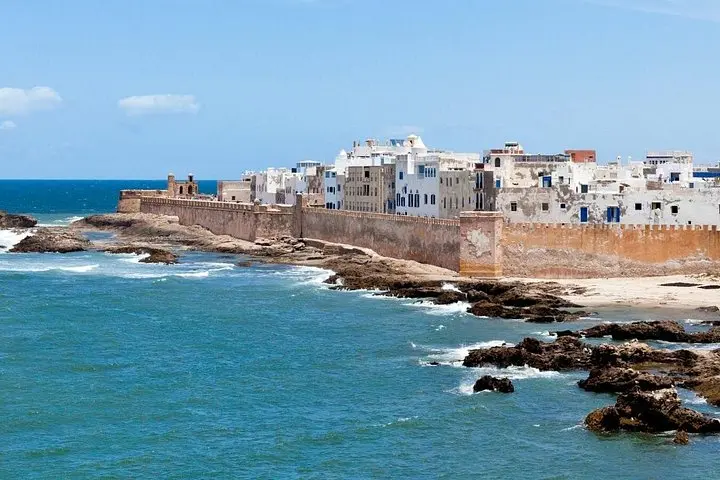
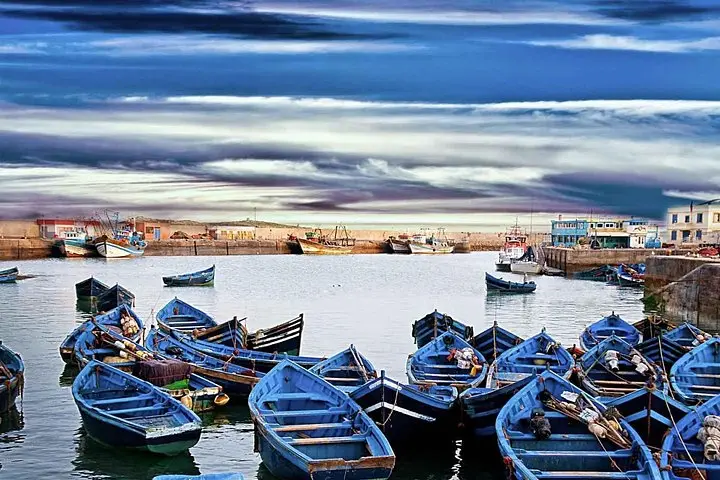
Essaouira’s medina opens with broad, stone ramparts and a working fishing harbor — gulls circle, nets are hauled and local fishmongers carve the catch. The town, historically Mogador, bears Portuguese, Berber and French traces in its grid of streets and thick defensive walls. Geologically the coast is low and sandy with wind-shaped dunes and exposed limestone outcrops; those winds are the reason Essaouira is one of Morocco’s prime kite- and windsurfing shores.
Culturally you’ll find artisan workshops producing thuya wood pieces, brasswork and the argan oil cooperatives run by local women where goats famously climb argan trees in nearby groves. Gnawa music echoes through cafes in the evening — a living local tradition.
Practicals: most operators pick up in Marrakech around 8:00 AM for a roughly 2.5–3 hour drive (≈175 km) via coastal roads and a stop at an argan cooperative. Expect 4–5 hours on-site for walking the medina, visiting the port, and sampling seafood. Wear sturdy shoes for cobbles and steps, bring a windproof layer, sun protection and local currency for small purchases. If you want quieter photos, aim for early afternoon on weekdays when coach traffic is lower. The trip is low in physical demand but high in sensory variety — salt, sea, market calls and the steady push of Atlantic wind.
Expect roughly 2.5–3 hours each way depending on traffic and stops; distance is about 170–190 km.
Yes — most day trips include several hours of independent exploration of the medina, port and nearby beaches.
Cooperatives offer insight into traditional argan oil production and are often run by local women's associations; be prepared for a brief demonstration and optional shopping.
Yes — the tour is low-impact with vehicle transfers and short walking segments; notify the operator of mobility needs for pickup logistics.
Fes Tours Guide operates guided outdoor trips and adventures with an emphasis on safety, stewardship, and memorable experiences.
You step into wind off the Atlantic before you reach the town: a cool, salt-edged breath that moves through low white houses, pushes across the ramparts and tugs at the stalls of the port.
You step into wind off the Atlantic before you reach the town: a cool, salt-edged breath that moves through low white houses, pushes across the ramparts and tugs at the stalls of the port.
Essaouira’s medina opens with broad, stone ramparts and a working fishing harbor — gulls circle, nets are hauled and local fishmongers carve the catch. The town, historically Mogador, bears Portuguese, Berber and French traces in its grid of streets and thick defensive walls. Geologically the coast is low and sandy with wind-shaped dunes and exposed limestone outcrops; those winds are the reason Essaouira is one of Morocco’s prime kite- and windsurfing shores.
Culturally you’ll find artisan workshops producing thuya wood pieces, brasswork and the argan oil cooperatives run by local women where goats famously climb argan trees in nearby groves. Gnawa music echoes through cafes in the evening — a living local tradition.
Practicals: most operators pick up in Marrakech around 8:00 AM for a roughly 2.5–3 hour drive (≈175 km) via coastal roads and a stop at an argan cooperative. Expect 4–5 hours on-site for walking the medina, visiting the port, and sampling seafood. Wear sturdy shoes for cobbles and steps, bring a windproof layer, sun protection and local currency for small purchases. If you want quieter photos, aim for early afternoon on weekdays when coach traffic is lower. The trip is low in physical demand but high in sensory variety — salt, sea, market calls and the steady push of Atlantic wind.