THE ADVENTURE COLLECTIVE® · Independent discovery and booking for outdoor travel

Swap Marrakech’s heat for Essaouira’s Atlantic wind on a shared day trip. Visit argan cooperatives, walk the 18th‑century ramparts and explore a compact fishing medina with free time for beaches and seafood.
Swap Marrakech’s heat for Essaouira’s Atlantic wind on a shared day trip. Visit argan cooperatives, walk the 18th‑century ramparts and explore a compact fishing medina with free time for beaches and seafood.
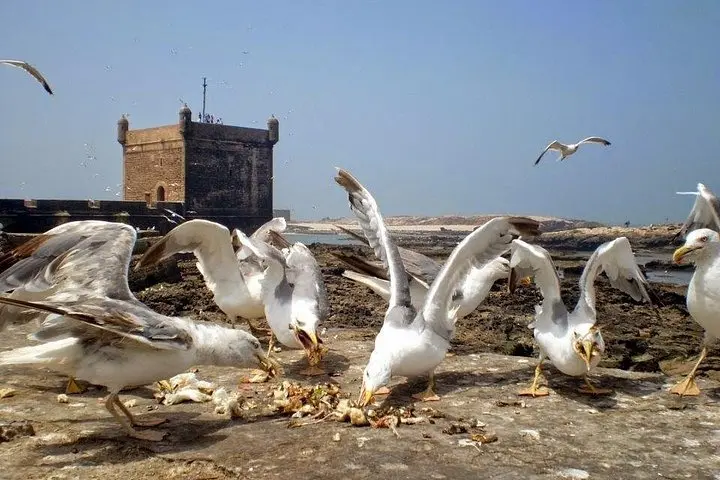
By midmorning the minibus peels away from Marrakech and the ochre city gives way to olive groves and low stands of argan trees. The road hums with the Atlantic wind long before you see the water; Essaouira’s white ramparts come into view like a compact harbor city braced against the sea. Winds dare the beaches; gulls stitch the skyline.
Verified experiences and guided adventures in the surrounding area.
Operated by Morocco Tours Services · Essaouira, Marrakech-Safi
By midmorning the minibus peels away from Marrakech and the ochre city gives way to olive groves and low stands of argan trees. The road hums with the Atlantic wind long before you see the water; Essaouira’s white ramparts come into view like a compact harbor city braced against the sea. Winds dare the beaches; gulls stitch the skyline.
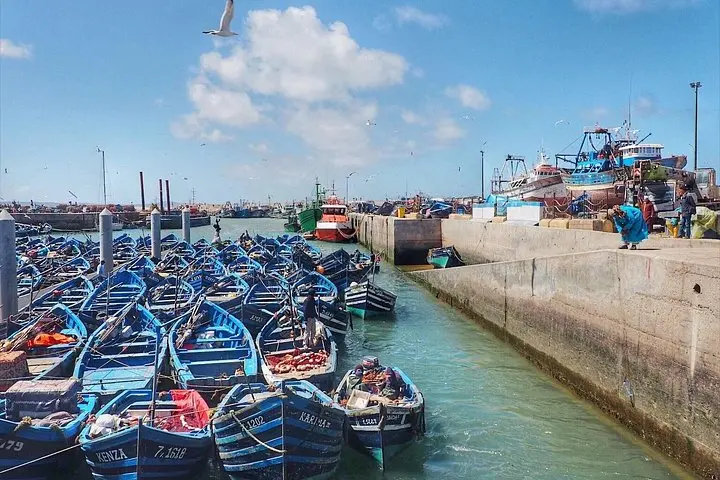
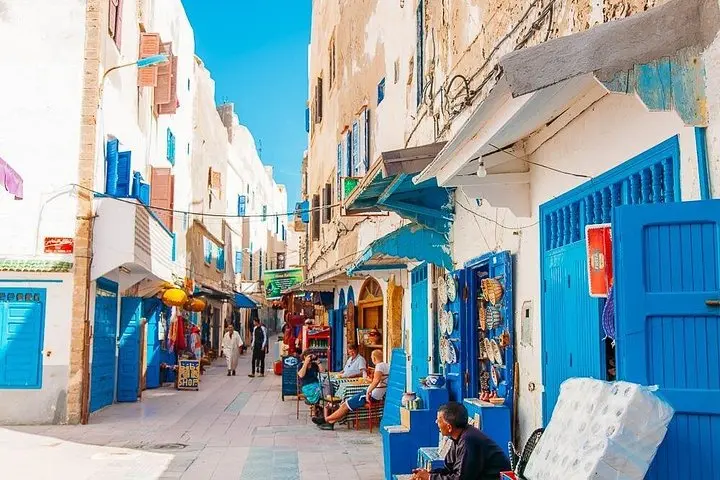
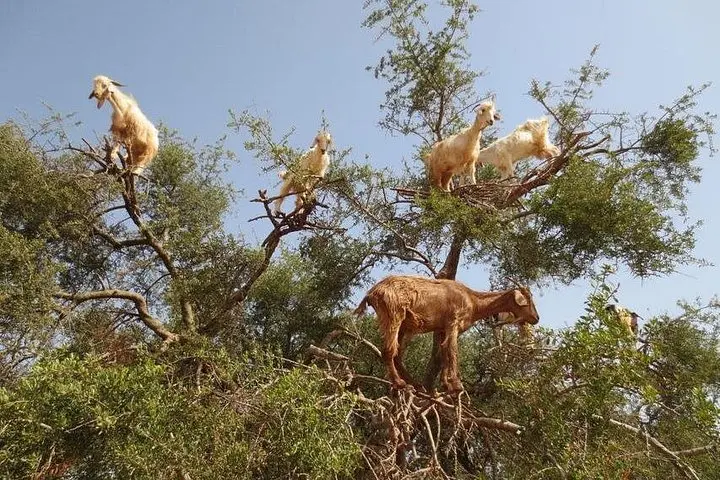
Formerly known as Mogador, Essaouira was reshaped in the 18th century with European-style ramparts and a working fishing port that still unloads morning catch. Geologically, the coastline is a gentle Atlantic shelf—sand beaches backed by dunes and craggy skerries—where persistent trade winds make the bay a global windsurfing draw. Culturally, the town’s medina is a living craft market: blue-painted doors, zinc-laced shutters, and berber cooperatives producing argan oil while goats famously climb the trees above them.
On a shared day trip you’ll stop at an argan cooperative, stroll the Scala and port, and have free time to explore the medina and beach. Practical notes: the tour runs about 8–10 hours with pick-up at Jemaa el-Fna; it’s suitable for most fitness levels but expect cobbled streets and wind. Bring layered wind protection, cash for small purchases and seafood, and shoes with good soles. If you want windsurfing or camel rides, those are local extras. Aim for an early departure to use your free time in Essaouira before late-afternoon light and stronger winds change the feel of the harbor.
Expect a roughly 2.5–3 hour drive each way depending on traffic, making the full excursion about 8–10 hours including stops and free time.
Meals are not included; you’ll have free time to sample seafood and local cafés in the medina—carry cash for smaller vendors.
Windsurfing lessons and camel rides are offered locally in Essaouira but are not included in the shared‑trip price and must be booked or paid for on site.
The tour is advertised as suitable for all fitness levels, but the medina has narrow, uneven streets and ramparts have steps—mobility limitations may restrict access to some viewpoints.
Morocco Tours Services operates guided outdoor trips and adventures with an emphasis on safety, stewardship, and memorable experiences.
By midmorning the minibus peels away from Marrakech and the ochre city gives way to olive groves and low stands of argan trees. The road hums with the Atlantic wind long before you see the water; Essaouira’s white ramparts come into view like a compact harbor city braced against the sea. Winds dare the beaches; gulls stitch the skyline.
By midmorning the minibus peels away from Marrakech and the ochre city gives way to olive groves and low stands of argan trees. The road hums with the Atlantic wind long before you see the water; Essaouira’s white ramparts come into view like a compact harbor city braced against the sea. Winds dare the beaches; gulls stitch the skyline.
Formerly known as Mogador, Essaouira was reshaped in the 18th century with European-style ramparts and a working fishing port that still unloads morning catch. Geologically, the coastline is a gentle Atlantic shelf—sand beaches backed by dunes and craggy skerries—where persistent trade winds make the bay a global windsurfing draw. Culturally, the town’s medina is a living craft market: blue-painted doors, zinc-laced shutters, and berber cooperatives producing argan oil while goats famously climb the trees above them.
On a shared day trip you’ll stop at an argan cooperative, stroll the Scala and port, and have free time to explore the medina and beach. Practical notes: the tour runs about 8–10 hours with pick-up at Jemaa el-Fna; it’s suitable for most fitness levels but expect cobbled streets and wind. Bring layered wind protection, cash for small purchases and seafood, and shoes with good soles. If you want windsurfing or camel rides, those are local extras. Aim for an early departure to use your free time in Essaouira before late-afternoon light and stronger winds change the feel of the harbor.