THE ADVENTURE COLLECTIVE® · Independent discovery and booking for outdoor travel

Take a full-day, air‑conditioned drive from Marrakech to Essaouira to explore a compact Atlantic medina, visit an argan women's co‑op and taste fresh seafood by the port. This easy day trip blends coastal views, cultural stops and free time to wander.
Take a full-day, air‑conditioned drive from Marrakech to Essaouira to explore a compact Atlantic medina, visit an argan women's co‑op and taste fresh seafood by the port. This easy day trip blends coastal views, cultural stops and free time to wander.
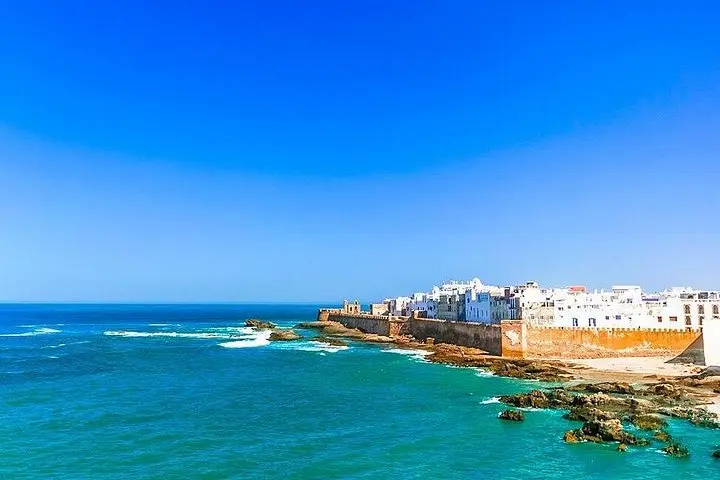
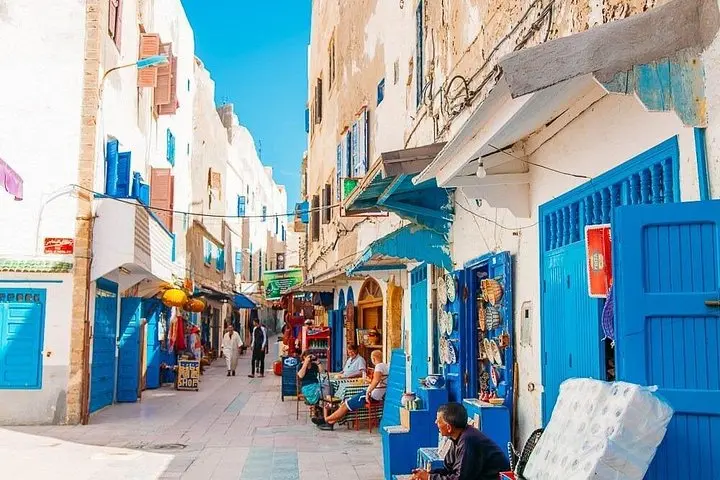
The morning road drops away from Marrakech and, after a ribbon of argan-studded hills, the Atlantic appears like a flat, pale promise. On arrival in Essaouira the air changes—salt and wind replacing Marrakech’s spice-scented heat—and the medina opens like a compact map of alleys, blue doors and low cafés where fishermen haul in the day’s catch.
Verified experiences and guided adventures in the surrounding area.
Operated by marrakech easy transport · Essaouira, Marrakech-Safi
The morning road drops away from Marrakech and, after a ribbon of argan-studded hills, the Atlantic appears like a flat, pale promise. On arrival in Essaouira the air changes—salt and wind replacing Marrakech’s spice-scented heat—and the medina opens like a compact map of alleys, blue doors and low cafés where fishermen haul in the day’s catch.
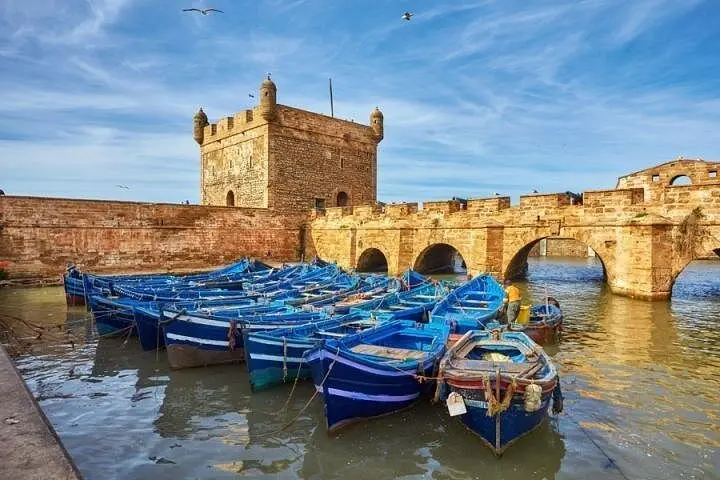
Essaouira’s ramparts date to the 18th century, when European engineers and local builders fortified a strategic Atlantic port. Geologically, the city sits on gentle coastal plains cut by wind and waves; dunes and exposed rock shelves frame broad tidal beaches popular with kitesurfers. Culturally, the town blends Amazigh, Arab and Portuguese influences: cedar woodwork, brass lamps, and a market where argan oil—produced by women’s cooperatives—dominates both pantry and apothecary.
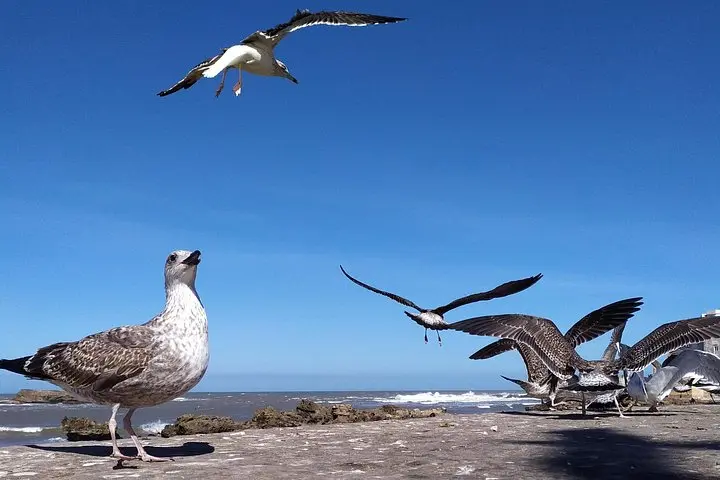
Expect cobbled streets, occasional steep stone steps, and busy souks selling preserved fish, textiles and handcrafted olive-wood goods. The argan co-op stop offers a short demo and tasting; outside, goats often browse argan trees, a photo-ready curiosity. If you’ve timed it well, lunch is fresh sardines on a grill beside the port while gulls argue over scraps.
Practical notes: it’s an 8–10 hour day with roughly 2.5–3 hours of driving each way; wear sturdy shoes for uneven alleys, bring sun protection and a wind layer for the coast. Carry cash for small purchases, and plan time to walk the ramparts for wide Atlantic views—the wind will dare you to linger.
Expect roughly 2.5–3 hours each way by air‑conditioned minivan, depending on traffic and stops en route.
The itinerary includes a stop at an argan cooperative for demonstrations and product viewing; purchases are optional.
Yes—guests typically have free time to wander the medina, visit the ramparts and eat at local restaurants on their own.
Yes—transport is stroller-accessible and infant seats are available; the pace is relaxed but families should watch busy streets.
marrakech easy transport operates guided outdoor trips and adventures with an emphasis on safety, stewardship, and memorable experiences.
The morning road drops away from Marrakech and, after a ribbon of argan-studded hills, the Atlantic appears like a flat, pale promise. On arrival in Essaouira the air changes—salt and wind replacing Marrakech’s spice-scented heat—and the medina opens like a compact map of alleys, blue doors and low cafés where fishermen haul in the day’s catch.
The morning road drops away from Marrakech and, after a ribbon of argan-studded hills, the Atlantic appears like a flat, pale promise. On arrival in Essaouira the air changes—salt and wind replacing Marrakech’s spice-scented heat—and the medina opens like a compact map of alleys, blue doors and low cafés where fishermen haul in the day’s catch.
Essaouira’s ramparts date to the 18th century, when European engineers and local builders fortified a strategic Atlantic port. Geologically, the city sits on gentle coastal plains cut by wind and waves; dunes and exposed rock shelves frame broad tidal beaches popular with kitesurfers. Culturally, the town blends Amazigh, Arab and Portuguese influences: cedar woodwork, brass lamps, and a market where argan oil—produced by women’s cooperatives—dominates both pantry and apothecary.
Expect cobbled streets, occasional steep stone steps, and busy souks selling preserved fish, textiles and handcrafted olive-wood goods. The argan co-op stop offers a short demo and tasting; outside, goats often browse argan trees, a photo-ready curiosity. If you’ve timed it well, lunch is fresh sardines on a grill beside the port while gulls argue over scraps.
Practical notes: it’s an 8–10 hour day with roughly 2.5–3 hours of driving each way; wear sturdy shoes for uneven alleys, bring sun protection and a wind layer for the coast. Carry cash for small purchases, and plan time to walk the ramparts for wide Atlantic views—the wind will dare you to linger.