THE ADVENTURE COLLECTIVE® · Independent discovery and booking for outdoor travel

A full-day small-group transfer from Marrakech delivers the white-and-blue port town of Essaouira: UNESCO ramparts, argan groves, and a working harbor. Expect a 10‑hour day with coastal winds, cobbled medina streets, and time to explore at your pace.
A full-day small-group transfer from Marrakech delivers the white-and-blue port town of Essaouira: UNESCO ramparts, argan groves, and a working harbor. Expect a 10‑hour day with coastal winds, cobbled medina streets, and time to explore at your pace.
Morning light slides across the High Atlas and the minarets of Marrakech as the minivan pulls out at 7:30 a.m., engines humming toward the Atlantic. By late morning the road flattens and a salt-scented wind begins to dare you off the bus; Essaouira’s low whitewashed walls and blue shutters appear on a coastal bluff like a harboring hand.
Verified experiences and guided adventures in the surrounding area.
Operated by Morocco lifetime Tours · Essaouira, Marrakech-Safi
Morning light slides across the High Atlas and the minarets of Marrakech as the minivan pulls out at 7:30 a.m., engines humming toward the Atlantic. By late morning the road flattens and a salt-scented wind begins to dare you off the bus; Essaouira’s low whitewashed walls and blue shutters appear on a coastal bluff like a harboring hand.
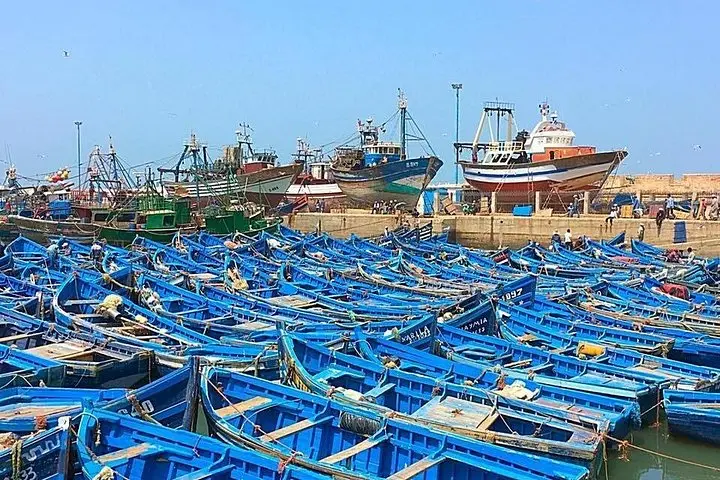
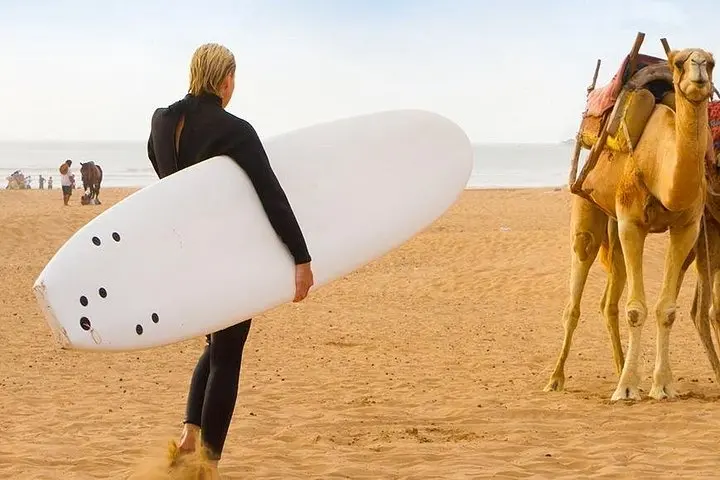
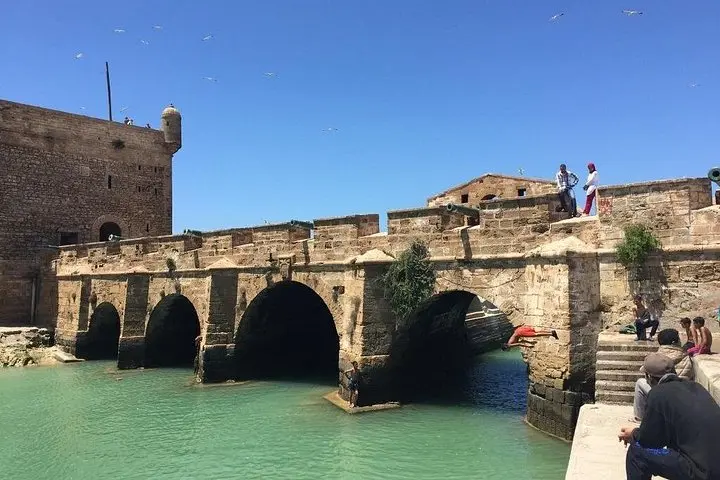
Essaouira is a living medieval port—UNESCO-listed for its intact 18th-century ramparts and blend of Moroccan, Portuguese and French urban design. Geologically the town sits on exposed coastal shale and sands; waves carve the shoreline into rock platforms and broad beaches that host wind-driven activities year-round. Culturally the medina’s narrow lanes open into workshops, Jewish quarter lanes, and a port where fishermen mend nets and gulls argue over the catch.
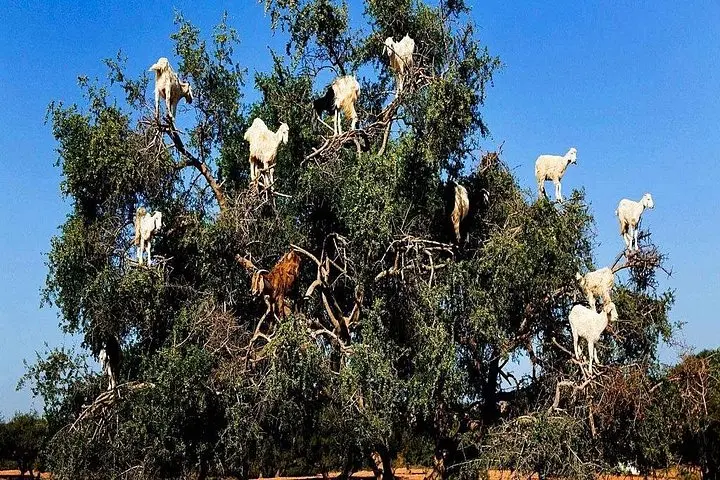
The day includes a stop at an argan grove and a women’s cooperative; argan trees are endemic here and goats still climb the branches on nearby hills. Expect free time to explore La Skala’s cannons, the harbor’s seafood stalls, and Place Moulay El Hassan where local life moves deliberately.
Practical notes: it’s a long day—about 10 hours—including highway driving and walking on cobbled streets. Wear sturdy shoes for uneven surfaces, bring cash for small purchases and a light wind layer for the coast. If you want guided history inside the medina, plan for a local guide or allow extra time. Pickup and drop-off from Marrakech riads makes the logistics simple—arrive ready for a mix of coastal breeze, centuries-old stone, and vivid local commerce.
No—most itineraries allow free time in Essaouira so you can choose your own restaurant or market stall for lunch.
Driving time is about 2.5 to 3 hours each way depending on traffic and stops, making for a roughly 10‑hour round trip including exploration time.
Yes—visits to local women’s cooperatives are common; you can learn the traditional pressing process and sample products, though purchases are optional.
The medina has narrow, uneven streets and steps; while the port area and some ramps are easier, full access can be challenging for limited mobility without assistance.
Morocco lifetime Tours operates guided outdoor trips and adventures with an emphasis on safety, stewardship, and memorable experiences.
Morning light slides across the High Atlas and the minarets of Marrakech as the minivan pulls out at 7:30 a.m., engines humming toward the Atlantic. By late morning the road flattens and a salt-scented wind begins to dare you off the bus; Essaouira’s low whitewashed walls and blue shutters appear on a coastal bluff like a harboring hand.
Morning light slides across the High Atlas and the minarets of Marrakech as the minivan pulls out at 7:30 a.m., engines humming toward the Atlantic. By late morning the road flattens and a salt-scented wind begins to dare you off the bus; Essaouira’s low whitewashed walls and blue shutters appear on a coastal bluff like a harboring hand.
Essaouira is a living medieval port—UNESCO-listed for its intact 18th-century ramparts and blend of Moroccan, Portuguese and French urban design. Geologically the town sits on exposed coastal shale and sands; waves carve the shoreline into rock platforms and broad beaches that host wind-driven activities year-round. Culturally the medina’s narrow lanes open into workshops, Jewish quarter lanes, and a port where fishermen mend nets and gulls argue over the catch.
The day includes a stop at an argan grove and a women’s cooperative; argan trees are endemic here and goats still climb the branches on nearby hills. Expect free time to explore La Skala’s cannons, the harbor’s seafood stalls, and Place Moulay El Hassan where local life moves deliberately.
Practical notes: it’s a long day—about 10 hours—including highway driving and walking on cobbled streets. Wear sturdy shoes for uneven surfaces, bring cash for small purchases and a light wind layer for the coast. If you want guided history inside the medina, plan for a local guide or allow extra time. Pickup and drop-off from Marrakech riads makes the logistics simple—arrive ready for a mix of coastal breeze, centuries-old stone, and vivid local commerce.