THE ADVENTURE COLLECTIVE® · Independent discovery and booking for outdoor travel

Spend a day leaving Marrakech behind for the lush Ourika Valley and the rushing Setti Fatma waterfalls. This accessible Atlas day trip mixes riverside meals, a visit to an argan cooperative, and an optional hike to cascading falls.
Spend a day leaving Marrakech behind for the lush Ourika Valley and the rushing Setti Fatma waterfalls. This accessible Atlas day trip mixes riverside meals, a visit to an argan cooperative, and an optional hike to cascading falls.
The bus hums away from Marrakech and the red city’s heat thins; terraced fields and a ribbon of river appear as the High Atlas lifts up ahead.
Verified experiences and guided adventures in the surrounding area.
Operated by Sahara Sights Tours · Setti Fatma, Marrakech-Safi
The bus hums away from Marrakech and the red city’s heat thins; terraced fields and a ribbon of river appear as the High Atlas lifts up ahead.
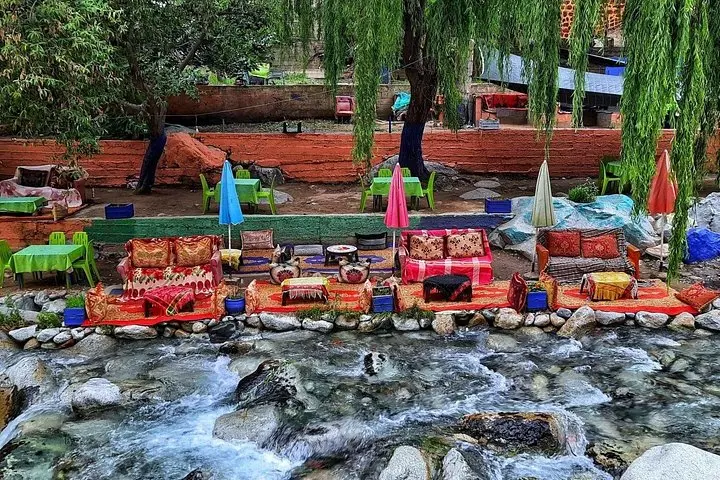
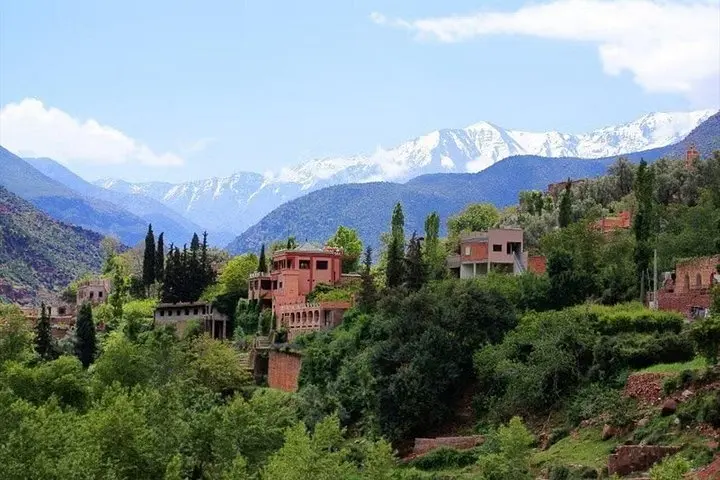
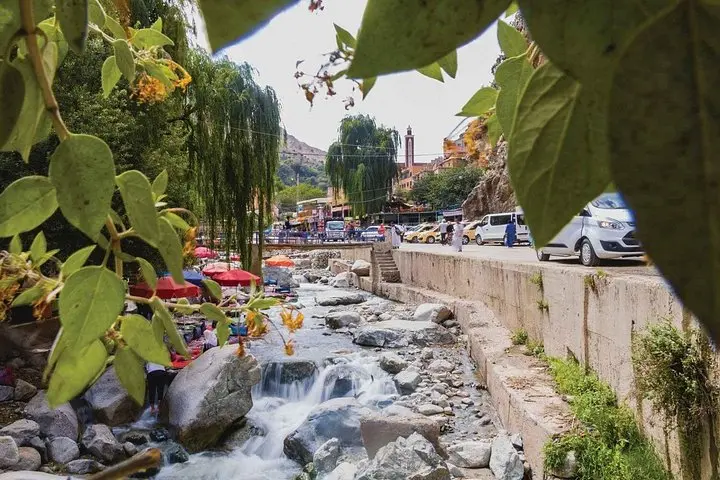
By midmorning the air tastes cooler and the road snakes through villages built of sunbaked stone. In Ourika Valley the river dares you to slow down: clear pools wink between boulders, and the scent of lemon and wild thyme rides the breeze. The optional walk to Setti Fatma’s waterfalls threads chestnut groves and crumbling Berber houses, each step bringing the sound of water closer until the falls announce themselves—cascades punching down the rockface, powerful and plainspoken.
Geologically the Atlas is a young, folded range; granite and schist show the violence of mountain-building while alluvial fans feed the valley’s orchards. Culturally this corridor has long been home to Berber communities; argan cooperatives and Monday souks keep traditional crafts alive and put local women at the economic center of the visit.
Practical guidance: expect a 6–8 hour day with hotel pickup in Marrakech and an air-conditioned vehicle. Hiking to the waterfalls is optional—bring sturdy shoes, sun protection, and water even if the guide describes the route as easy. Respect private land and bargaining customs at roadside markets; tipping drivers and guides for good service is customary.
Timing your visit in the morning avoids crowds and gives softer afternoon light on the peaks. Whether you’re there for the river restaurants or the cascading falls, the trip combines accessible walking with striking mountain scenery—an earned window into the Atlas that’s both scenic and culturally revealing.
The transfer from central Marrakech to Ourika Valley typically takes 45–75 minutes depending on traffic and the exact pickup location.
Short sections of the hike are fine for older children, but steep or slippery parts can be challenging—supervision and good shoes are recommended.
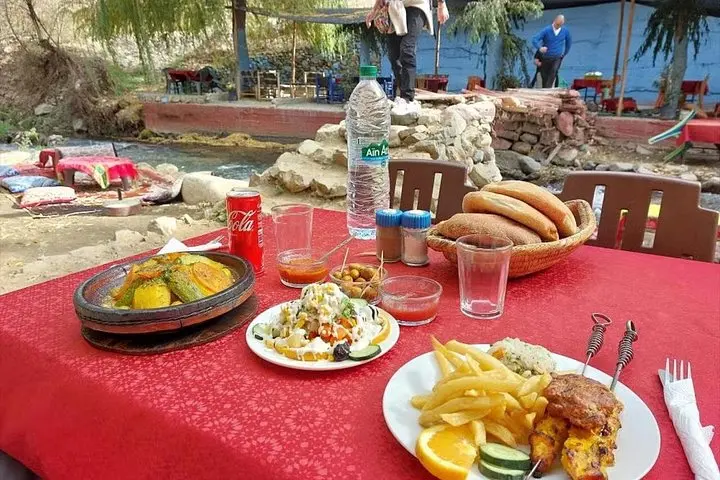
Lunch may be included depending on the booking option; many itineraries offer a riverside restaurant where you can order traditional dishes if not included.
The main valley and argan cooperative visits are accessible from parking areas, but the waterfall path is uneven; check with the operator about mobility needs before booking.
Sahara Sights Tours operates guided outdoor trips and adventures with an emphasis on safety, stewardship, and memorable experiences.
The bus hums away from Marrakech and the red city’s heat thins; terraced fields and a ribbon of river appear as the High Atlas lifts up ahead.
The bus hums away from Marrakech and the red city’s heat thins; terraced fields and a ribbon of river appear as the High Atlas lifts up ahead.
By midmorning the air tastes cooler and the road snakes through villages built of sunbaked stone. In Ourika Valley the river dares you to slow down: clear pools wink between boulders, and the scent of lemon and wild thyme rides the breeze. The optional walk to Setti Fatma’s waterfalls threads chestnut groves and crumbling Berber houses, each step bringing the sound of water closer until the falls announce themselves—cascades punching down the rockface, powerful and plainspoken.
Geologically the Atlas is a young, folded range; granite and schist show the violence of mountain-building while alluvial fans feed the valley’s orchards. Culturally this corridor has long been home to Berber communities; argan cooperatives and Monday souks keep traditional crafts alive and put local women at the economic center of the visit.
Practical guidance: expect a 6–8 hour day with hotel pickup in Marrakech and an air-conditioned vehicle. Hiking to the waterfalls is optional—bring sturdy shoes, sun protection, and water even if the guide describes the route as easy. Respect private land and bargaining customs at roadside markets; tipping drivers and guides for good service is customary.
Timing your visit in the morning avoids crowds and gives softer afternoon light on the peaks. Whether you’re there for the river restaurants or the cascading falls, the trip combines accessible walking with striking mountain scenery—an earned window into the Atlas that’s both scenic and culturally revealing.