THE ADVENTURE COLLECTIVE® · Independent discovery and booking for outdoor travel

Escape Marrakesh for a day and follow the spray-scented trail to Ouzoud Falls, North Africa's dramatic cascade. Hike through olive groves, ride a boat beneath roaring sheets of water, and meet the free-roaming macaques that inhabit the gorge.
Escape Marrakesh for a day and follow the spray-scented trail to Ouzoud Falls, North Africa's dramatic cascade. Hike through olive groves, ride a boat beneath roaring sheets of water, and meet the free-roaming macaques that inhabit the gorge.
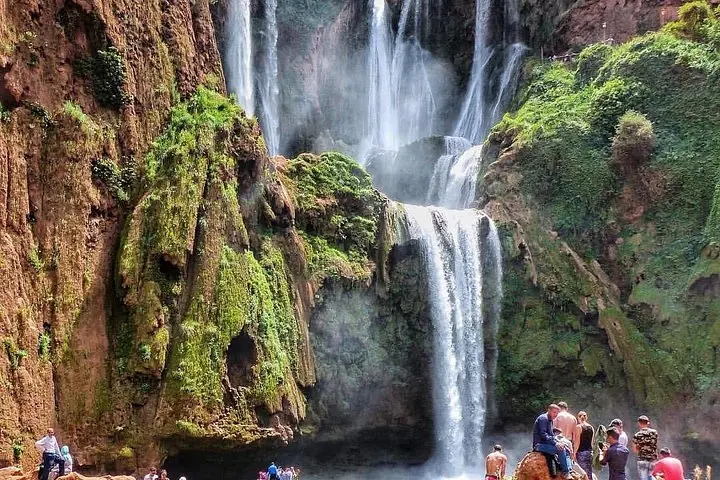
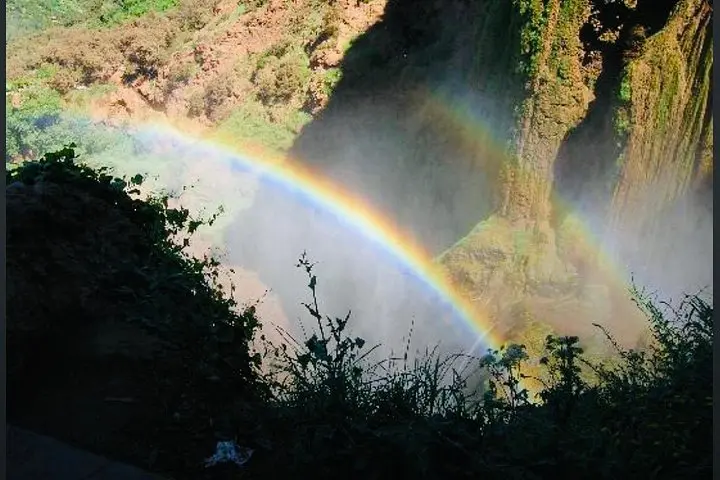
By mid-morning the road out of Marrakesh loosens its grip: olive groves stretch like a green quilt and scrub-covered hills push back the city heat. The vehicle idles at a viewpoint and the falls arrive before you do — a white curtain planted in the Atlas foothills, steam and spray sketching rainbows across the gorge. At Ouzoud, water claims the day; the falls move with purpose, urging you down stone steps and along terraces of terraces where local families run tiny restaurants and children sell oranges.
Verified experiences and guided adventures in the surrounding area.
Operated by JD Morocco Tours, Sarl · Ouzoud (Azilal Province), Marrakech-Safi
By mid-morning the road out of Marrakesh loosens its grip: olive groves stretch like a green quilt and scrub-covered hills push back the city heat. The vehicle idles at a viewpoint and the falls arrive before you do — a white curtain planted in the Atlas foothills, steam and spray sketching rainbows across the gorge. At Ouzoud, water claims the day; the falls move with purpose, urging you down stone steps and along terraces of terraces where local families run tiny restaurants and children sell oranges.
Ouzoud is one of North Africa's highest cascades, carved where Miocene limestone gives way to softer clays. The cascade system drops roughly 110 meters in a series of steps, its channels shaped over millennia by torrents that swell in winter and trickle in summer.
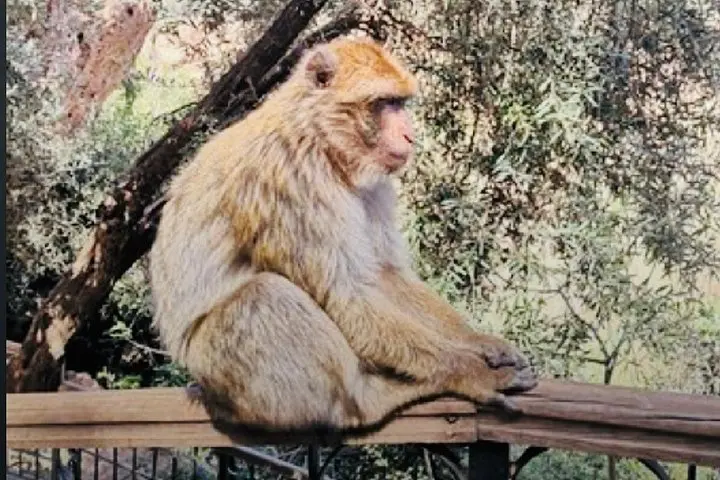
The area is as much cultural as it is geological. Berber farmers tend olive plots above the gorge and village life revolves around seasonal harvests. Small restaurants cling to cliff edges; tagines steam on charcoal and thick mint tea keeps hands warm after a plunge in the pool. Barbary macaques roam the cliffs freely, bold at the edges where tourists pause, a reminder that this is shared habitat, not a theme park.
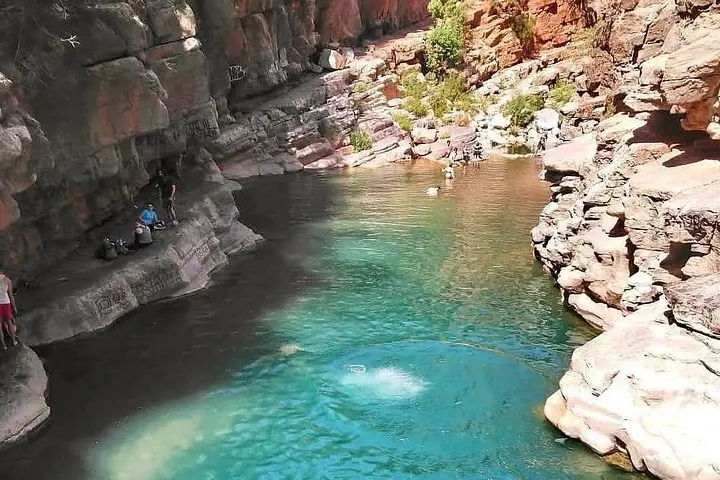
Practicalities matter on a day trip from Marrakesh. Expect a roughly three-hour drive each way depending on traffic, with stops for photos and a quick espresso. The walk from the parking area into the falls involves steep stone stairs and packed-earth paths — doable for most travelers but slippery when wet. Guided boat rides bring you close enough to feel the spray; swimmers can wade in basalt-lined pools when conditions are safe, but currents near the base can be strong after rains.
Timing is key: arrive early to avoid midday crowds and to catch the light slanting across the gorge. Bring a daypack with hydration, quick-dry layers, and sturdy shoes with decent tread. Cash is handy for small restaurants, tips, and local stalls. Respect signage around wildlife: do not feed the monkeys and secure loose belongings.
For photographers, golden hours and overcast afternoons both work — rainbows are most frequent when the sun is low. If you want a quieter experience, head to the east rim footpaths where views open across multiple tiers. On your way back, the Atlas foothills throw one last silhouette as Marrakesh draws you in again, louder but smaller, like a city that has been away for the day and is ready to listen to the stories you bring home.
Expect about 2.5–3 hours each way by air-conditioned vehicle depending on traffic and road conditions.
Yes, there are calm pools suitable for swimming in warm weather but avoid the base immediately beneath the main falls when currents are strong.
Barbary macaques are wild and can be bold; avoid feeding them, keep cameras on straps, and store snacks securely.
Most day trips stop at local restaurants where lunch is available but not always included—check your booking details.
The paths have many steps and some steep sections; children and less-mobile travelers can still enjoy viewpoints but may need assistance on the descent/ascent.
A wide-angle lens for the falls, a mid-tele for closer compressions, and a waterproof cover for camera gear due to spray.
JD Morocco Tours, Sarl operates guided outdoor trips and adventures with an emphasis on safety, stewardship, and memorable experiences.
By mid-morning the road out of Marrakesh loosens its grip: olive groves stretch like a green quilt and scrub-covered hills push back the city heat. The vehicle idles at a viewpoint and the falls arrive before you do — a white curtain planted in the Atlas foothills, steam and spray sketching rainbows across the gorge. At Ouzoud, water claims the day; the falls move with purpose, urging you down stone steps and along terraces of terraces where local families run tiny restaurants and children sell oranges.
By mid-morning the road out of Marrakesh loosens its grip: olive groves stretch like a green quilt and scrub-covered hills push back the city heat. The vehicle idles at a viewpoint and the falls arrive before you do — a white curtain planted in the Atlas foothills, steam and spray sketching rainbows across the gorge. At Ouzoud, water claims the day; the falls move with purpose, urging you down stone steps and along terraces of terraces where local families run tiny restaurants and children sell oranges.
Ouzoud is one of North Africa's highest cascades, carved where Miocene limestone gives way to softer clays. The cascade system drops roughly 110 meters in a series of steps, its channels shaped over millennia by torrents that swell in winter and trickle in summer.
The area is as much cultural as it is geological. Berber farmers tend olive plots above the gorge and village life revolves around seasonal harvests. Small restaurants cling to cliff edges; tagines steam on charcoal and thick mint tea keeps hands warm after a plunge in the pool. Barbary macaques roam the cliffs freely, bold at the edges where tourists pause, a reminder that this is shared habitat, not a theme park.
Practicalities matter on a day trip from Marrakesh. Expect a roughly three-hour drive each way depending on traffic, with stops for photos and a quick espresso. The walk from the parking area into the falls involves steep stone stairs and packed-earth paths — doable for most travelers but slippery when wet. Guided boat rides bring you close enough to feel the spray; swimmers can wade in basalt-lined pools when conditions are safe, but currents near the base can be strong after rains.
Timing is key: arrive early to avoid midday crowds and to catch the light slanting across the gorge. Bring a daypack with hydration, quick-dry layers, and sturdy shoes with decent tread. Cash is handy for small restaurants, tips, and local stalls. Respect signage around wildlife: do not feed the monkeys and secure loose belongings.
For photographers, golden hours and overcast afternoons both work — rainbows are most frequent when the sun is low. If you want a quieter experience, head to the east rim footpaths where views open across multiple tiers. On your way back, the Atlas foothills throw one last silhouette as Marrakesh draws you in again, louder but smaller, like a city that has been away for the day and is ready to listen to the stories you bring home.