THE ADVENTURE COLLECTIVE® · Independent discovery and booking for outdoor travel

From the Mediterranean coast to the sands of Giza: a full‑day, private transfer from Port Said delivers close views of Chephren’s Pyramid, the Sphinx, a papyrus demonstration, and two hours inside the Grand Egyptian Museum. Expect long drives, uneven terrain, and top‑tier archaeology.
From the Mediterranean coast to the sands of Giza: a full‑day, private transfer from Port Said delivers close views of Chephren’s Pyramid, the Sphinx, a papyrus demonstration, and two hours inside the Grand Egyptian Museum. Expect long drives, uneven terrain, and top‑tier archaeology.
You step onto an air‑conditioned minivan before dawn in Port Said; the Mediterranean light slips away as the vehicle eases into the flat, irrigated plains of the Nile Delta. Four hours of highway bring you to the Giza Plateau, where the limestone and sand open into the Western Plateau’s hard lines—the Great Pyramid rising like an engineered mountain, Chephren’s angled face, and the Sphinx keeping a slow, human watch.
Verified experiences and guided adventures in the surrounding area.
Operated by NORTH AFRICAN SHIPPING AND TOURISM COMPANY (NASCO TOURS) · Giza, Giza Governorate
You step onto an air‑conditioned minivan before dawn in Port Said; the Mediterranean light slips away as the vehicle eases into the flat, irrigated plains of the Nile Delta. Four hours of highway bring you to the Giza Plateau, where the limestone and sand open into the Western Plateau’s hard lines—the Great Pyramid rising like an engineered mountain, Chephren’s angled face, and the Sphinx keeping a slow, human watch.
This is a day that surveys layers of Egyptian history: Fourth Dynasty stonework at the Pyramids (Khufu, Khafre/Chephren), Pharaonic funerary craft visible in the Solar Boat displays, and the modern Grand Egyptian Museum—designed to house and conserve over 100,000 artifacts including extensive Tutankhamun material. Between monuments you’ll find living culture: papyrus makers demonstrating reed-processing, market alleys selling spices and textiles, and Tahrir Square’s charged modern history in downtown Cairo.
Practical edge: expect a long day—roughly 12–15 hours including about 4 hours each way by road (≈210 km/130 mi one way). The Plateau requires walking on uneven limestone and sand; wear sturdy shoes and sun protection. Museum galleries are climate controlled and wheelchair-accessible in parts, but outdoor sites have minimal shade. Carry local cash for tips and small purchases, keep water handy, and plan for brief, scheduled stops rather than a relaxed pace. The trip delivers concentrated history and a lot of time in transit—rewarding for travelers ready to trade a long day for front‑row access to Egypt’s defining monuments.
This tour lists admission included for the Pyramids and the Grand Egyptian Museum in the itinerary; confirm at booking since inclusion can vary by operator.
Expect roughly 3.5–4.5 hours each way depending on traffic—about 210 km (130 miles) one way—so the experience is a full‑day commitment.
The Grand Egyptian Museum is largely wheelchair accessible, but the Giza Plateau itself has uneven ground and sand; mobility aids may be limited on outdoor paths.
There are scheduled stops for food and restrooms en route and at museum cafés; bring small change for facilities in some outlying areas.
NORTH AFRICAN SHIPPING AND TOURISM COMPANY (NASCO TOURS) operates guided outdoor trips and adventures with an emphasis on safety, stewardship, and memorable experiences.
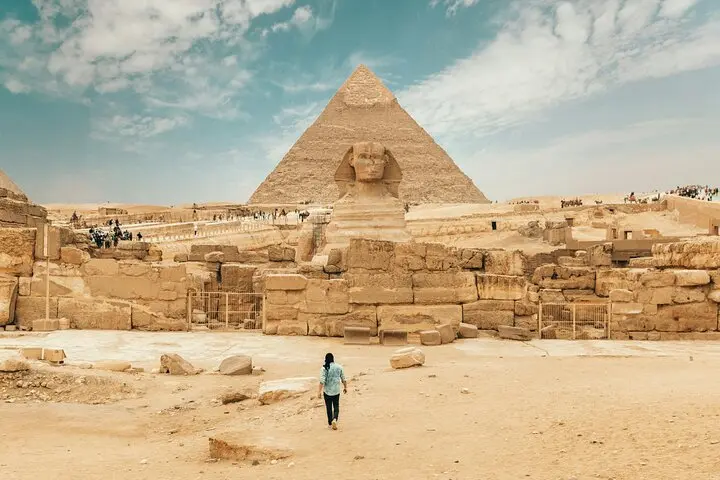
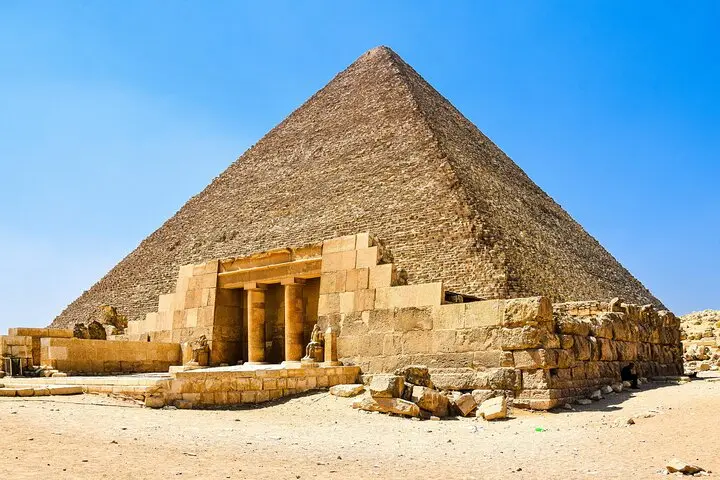
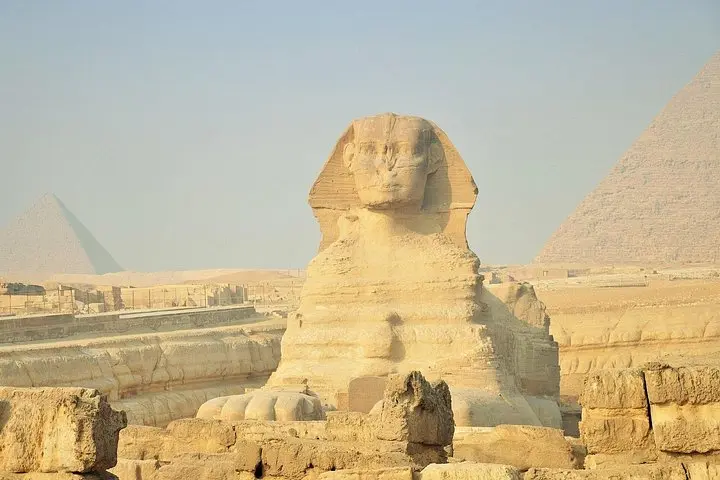
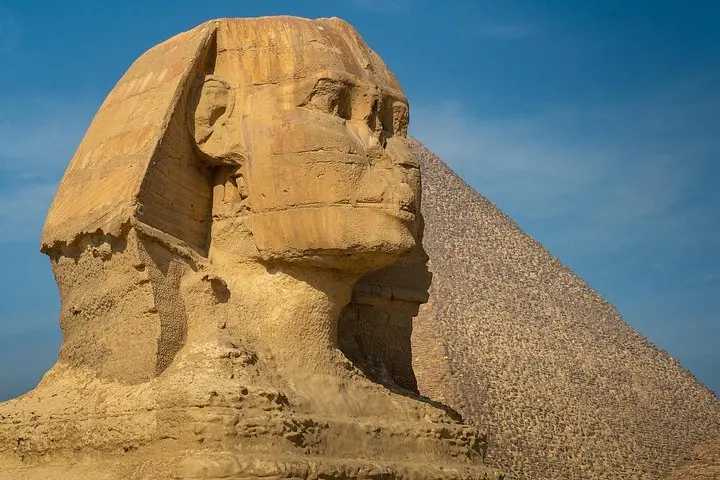
You step onto an air‑conditioned minivan before dawn in Port Said; the Mediterranean light slips away as the vehicle eases into the flat, irrigated plains of the Nile Delta. Four hours of highway bring you to the Giza Plateau, where the limestone and sand open into the Western Plateau’s hard lines—the Great Pyramid rising like an engineered mountain, Chephren’s angled face, and the Sphinx keeping a slow, human watch.
You step onto an air‑conditioned minivan before dawn in Port Said; the Mediterranean light slips away as the vehicle eases into the flat, irrigated plains of the Nile Delta. Four hours of highway bring you to the Giza Plateau, where the limestone and sand open into the Western Plateau’s hard lines—the Great Pyramid rising like an engineered mountain, Chephren’s angled face, and the Sphinx keeping a slow, human watch.
This is a day that surveys layers of Egyptian history: Fourth Dynasty stonework at the Pyramids (Khufu, Khafre/Chephren), Pharaonic funerary craft visible in the Solar Boat displays, and the modern Grand Egyptian Museum—designed to house and conserve over 100,000 artifacts including extensive Tutankhamun material. Between monuments you’ll find living culture: papyrus makers demonstrating reed-processing, market alleys selling spices and textiles, and Tahrir Square’s charged modern history in downtown Cairo.
Practical edge: expect a long day—roughly 12–15 hours including about 4 hours each way by road (≈210 km/130 mi one way). The Plateau requires walking on uneven limestone and sand; wear sturdy shoes and sun protection. Museum galleries are climate controlled and wheelchair-accessible in parts, but outdoor sites have minimal shade. Carry local cash for tips and small purchases, keep water handy, and plan for brief, scheduled stops rather than a relaxed pace. The trip delivers concentrated history and a lot of time in transit—rewarding for travelers ready to trade a long day for front‑row access to Egypt’s defining monuments.