THE ADVENTURE COLLECTIVE® · Independent discovery and booking for outdoor travel

Spend a full day exploring life across deep time — from robotic dinosaurs and fossil digs to more than 250 Mediterranean marine species at Cretaquarium. Ideal for families, this private transfer links interactive exhibits with easy walking and local flavors.
Spend a full day exploring life across deep time — from robotic dinosaurs and fossil digs to more than 250 Mediterranean marine species at Cretaquarium. Ideal for families, this private transfer links interactive exhibits with easy walking and local flavors.
The morning starts on the coastal road east of Rethymno, windows down and the north wind tugging at maps and hair as the bus threads past olive groves toward the old US base at Gournes.
Verified experiences and guided adventures in the surrounding area.
Operated by PLATANOS TOURS · Gournes, Crete
The morning starts on the coastal road east of Rethymno, windows down and the north wind tugging at maps and hair as the bus threads past olive groves toward the old US base at Gournes.
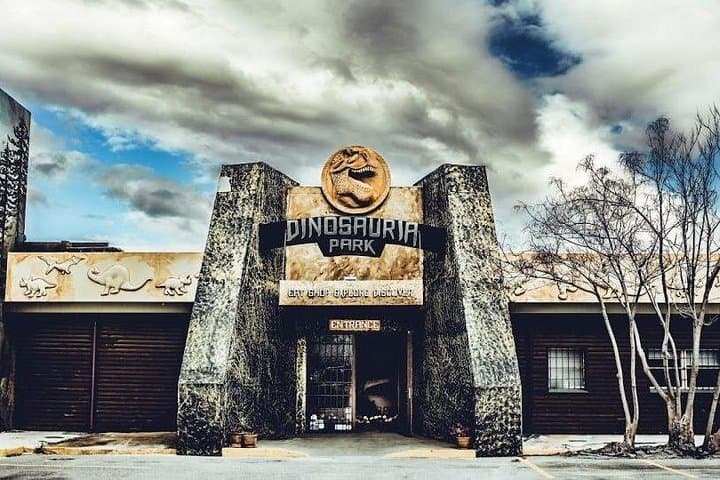
At Dinosauria Park, realistic models and robotic dinosaurs fill wide outdoor lanes; children run between the fossil displays, a “dinosaur hospital” and excavation zones while 5D cinema sequences add motion and rumble. The park’s small museum and augmented-reality exhibits explain vertebrate evolution and paleontological techniques in plain language.
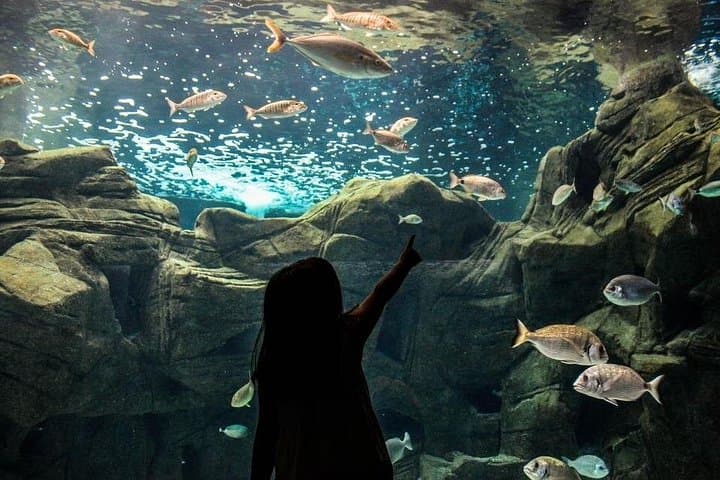
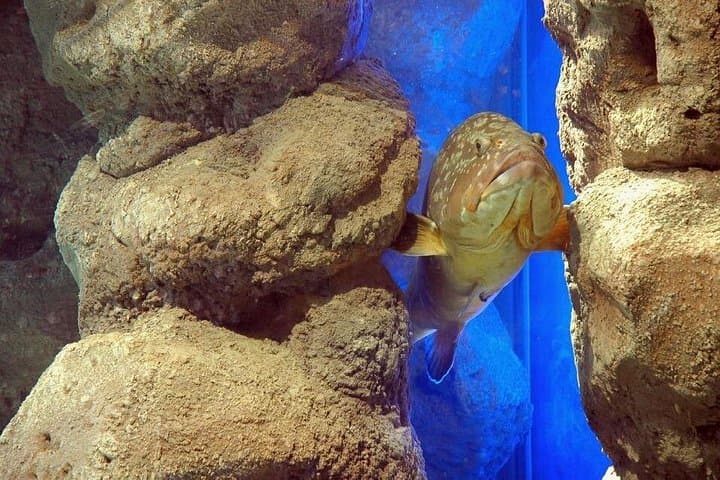
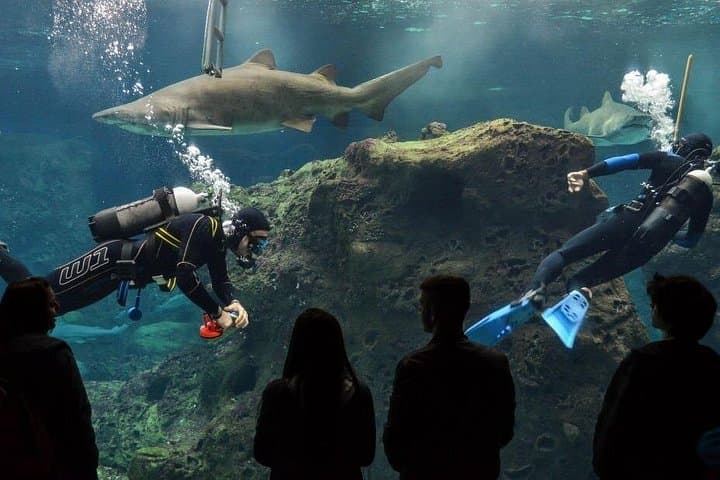
A short drive delivers visitors to Cretaquarium, one of Greece’s largest aquaria. Over 250 Mediterranean species swim across more than 60 tanks — from temperate rocky-reef inhabitants to pelagic jellies — and interpretive panels place those animals within the geological story of the Mediterranean basin and Crete’s own limestone shelves.
The sites sit where postwar infrastructure and coastal geology meet: reclaimed sections of the Gournes base and a shoreline shaped by Pleistocene uplift and marine terraces. Locally, expect Cretan hospitality close by — tavernas serve fresh fish and dakos after a morning of exhibits.
Practical guidance: plan an eight-hour day; travel from central Rethymno is roughly 50–80 minutes depending on pickup point. Admissions are typically not included, so buy tickets ahead during high season. Paths are family-friendly but exposed; bring sun protection, refillable water, and comfortable walking shoes. For families with young kids, confirm stroller access and seat/child-safety arrangements with the operator before departure.
No—admission to Dinosauria Park and Cretaquarium is typically paid separately; check booking details and reserve tickets ahead during peak season.
Travel time varies with pickup point but allow roughly 50–90 minutes each way along the north coast depending on traffic.
Yes—the itinerary is family-oriented, with a TUV-certified outdoor playground and exhibits for kids; infants may be required to sit on laps during transport.
Cretaquarium offers mostly indoor, accessible galleries, but contact the operator about specific needs; some outdoor dinosaur areas have gravel or steps.
PLATANOS TOURS operates guided outdoor trips and adventures with an emphasis on safety, stewardship, and memorable experiences.
The morning starts on the coastal road east of Rethymno, windows down and the north wind tugging at maps and hair as the bus threads past olive groves toward the old US base at Gournes.
The morning starts on the coastal road east of Rethymno, windows down and the north wind tugging at maps and hair as the bus threads past olive groves toward the old US base at Gournes.
At Dinosauria Park, realistic models and robotic dinosaurs fill wide outdoor lanes; children run between the fossil displays, a “dinosaur hospital” and excavation zones while 5D cinema sequences add motion and rumble. The park’s small museum and augmented-reality exhibits explain vertebrate evolution and paleontological techniques in plain language.
A short drive delivers visitors to Cretaquarium, one of Greece’s largest aquaria. Over 250 Mediterranean species swim across more than 60 tanks — from temperate rocky-reef inhabitants to pelagic jellies — and interpretive panels place those animals within the geological story of the Mediterranean basin and Crete’s own limestone shelves.
The sites sit where postwar infrastructure and coastal geology meet: reclaimed sections of the Gournes base and a shoreline shaped by Pleistocene uplift and marine terraces. Locally, expect Cretan hospitality close by — tavernas serve fresh fish and dakos after a morning of exhibits.
Practical guidance: plan an eight-hour day; travel from central Rethymno is roughly 50–80 minutes depending on pickup point. Admissions are typically not included, so buy tickets ahead during high season. Paths are family-friendly but exposed; bring sun protection, refillable water, and comfortable walking shoes. For families with young kids, confirm stroller access and seat/child-safety arrangements with the operator before departure.