THE ADVENTURE COLLECTIVE® · Independent discovery and booking for outdoor travel

Spend a full day from Riga visiting three distinct landmarks: the Baroque elegance of Rundāle Palace, the evocative Hill of Crosses in Lithuania, and medieval Bauska Castle. This practical guide outlines what to expect, why these sites matter, and how to prepare.
Spend a full day from Riga visiting three distinct landmarks: the Baroque elegance of Rundāle Palace, the evocative Hill of Crosses in Lithuania, and medieval Bauska Castle. This practical guide outlines what to expect, why these sites matter, and how to prepare.
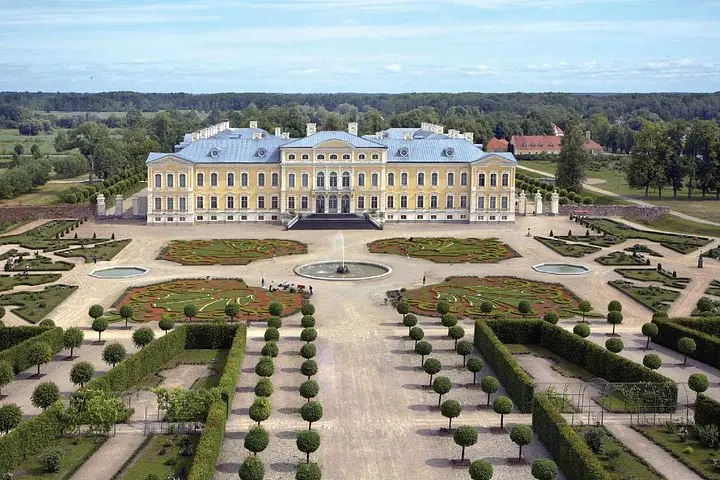
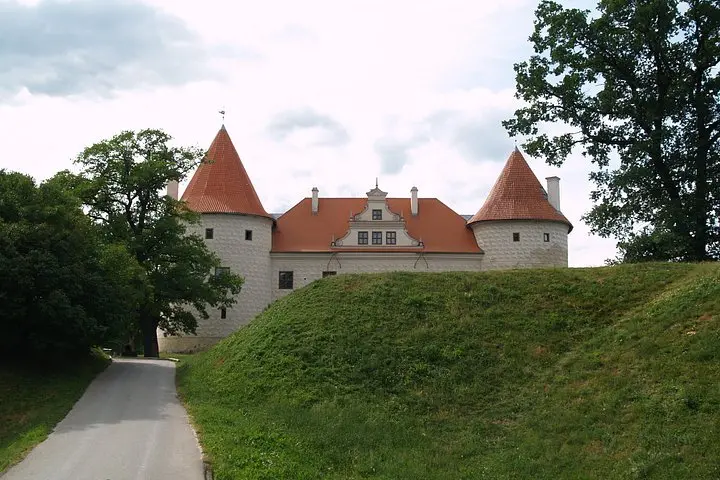
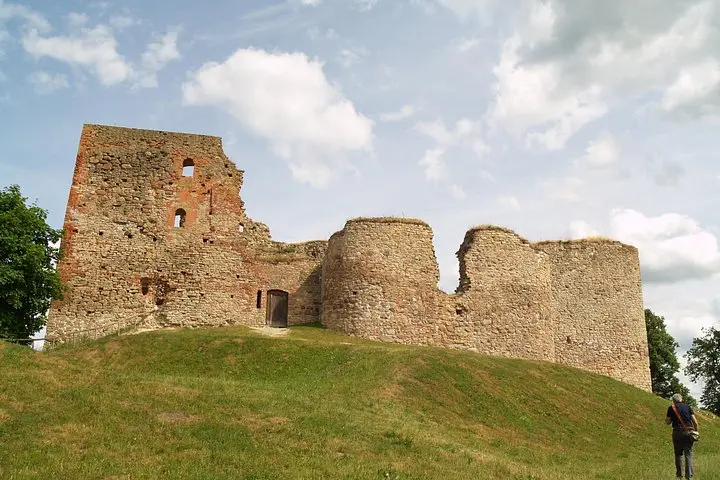
Morning light breaks over the flat farmland south of Riga and the minivan threads quiet county roads toward a columned Baroque façade. By midmorning the gilded halls of Rundāle Palace open like a formal greeting—stuccoed ceilings, painted salons and a French-style parterre that rewards a slow walk. Later the minivan hums on to Bauska, where the patchwork of rivers Mūsa and Mēmele push against low castle walls and a medieval keep juts above the town.
Verified experiences and guided adventures in the surrounding area.
Operated by Allure Tours Riga · Riga, Riga
Morning light breaks over the flat farmland south of Riga and the minivan threads quiet county roads toward a columned Baroque façade. By midmorning the gilded halls of Rundāle Palace open like a formal greeting—stuccoed ceilings, painted salons and a French-style parterre that rewards a slow walk. Later the minivan hums on to Bauska, where the patchwork of rivers Mūsa and Mēmele push against low castle walls and a medieval keep juts above the town.
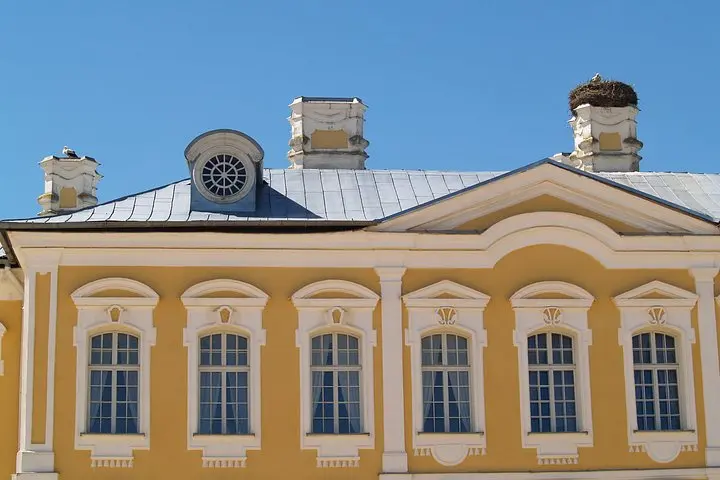
The Hill of Crosses lies across the border in Lithuania, a different kind of site: thousands of crosses planted over decades, a raw, communal act of memory born of faith and resistance to occupation. Rundāle itself was designed in the 18th century by Bartolomeo Rastrelli for the dukes of Courland; its gardens and façades reflect Baroque and French influences that reshaped the rural Latvian landscape.
Travelers will notice geology in the low-lying plains, glacial moraines that make for broad, open horizons rather than alpine drama; local culture alternates between polished palace rooms and humble roadside cafés serving rye bread and borscht.
Practically: this is an all-day, mostly low-impact outing—expect walking tours at each stop, short stairs in historic buildings, and outdoor paths that can be muddy after rain. Carry ID for border crossing, wear comfortable shoes and layers, and allow time for site queues. Photography is welcome but be respectful at the Hill of Crosses. Timed visits to the palace make the day efficient; bring water and plan for about eight hours from Riga.
The tour is about eight hours: roughly two hours at Rundāle Palace, about one hour at Bauska Castle, and about one hour at the Hill of Crosses, plus driving and transfer time.
Rundāle Palace and the Hill of Crosses admissions are included per the itinerary; a small additional fee may apply for certain Bauska Castle exhibits or tower access (approx. €4).
The Hill of Crosses is an open outdoor site with uneven ground; visitors with mobility concerns should expect bumpy paths and limited paved access.
The tour requires a minimum number of participants; if the minimum isn't met you will be offered a refund or the option to upgrade to a private tour.
Allure Tours Riga operates guided outdoor trips and adventures with an emphasis on safety, stewardship, and memorable experiences.
Morning light breaks over the flat farmland south of Riga and the minivan threads quiet county roads toward a columned Baroque façade. By midmorning the gilded halls of Rundāle Palace open like a formal greeting—stuccoed ceilings, painted salons and a French-style parterre that rewards a slow walk. Later the minivan hums on to Bauska, where the patchwork of rivers Mūsa and Mēmele push against low castle walls and a medieval keep juts above the town.
Morning light breaks over the flat farmland south of Riga and the minivan threads quiet county roads toward a columned Baroque façade. By midmorning the gilded halls of Rundāle Palace open like a formal greeting—stuccoed ceilings, painted salons and a French-style parterre that rewards a slow walk. Later the minivan hums on to Bauska, where the patchwork of rivers Mūsa and Mēmele push against low castle walls and a medieval keep juts above the town.
The Hill of Crosses lies across the border in Lithuania, a different kind of site: thousands of crosses planted over decades, a raw, communal act of memory born of faith and resistance to occupation. Rundāle itself was designed in the 18th century by Bartolomeo Rastrelli for the dukes of Courland; its gardens and façades reflect Baroque and French influences that reshaped the rural Latvian landscape.
Travelers will notice geology in the low-lying plains, glacial moraines that make for broad, open horizons rather than alpine drama; local culture alternates between polished palace rooms and humble roadside cafés serving rye bread and borscht.
Practically: this is an all-day, mostly low-impact outing—expect walking tours at each stop, short stairs in historic buildings, and outdoor paths that can be muddy after rain. Carry ID for border crossing, wear comfortable shoes and layers, and allow time for site queues. Photography is welcome but be respectful at the Hill of Crosses. Timed visits to the palace make the day efficient; bring water and plan for about eight hours from Riga.