THE ADVENTURE COLLECTIVE® · Independent discovery and booking for outdoor travel

Travel from the Sinai to the heart of ancient Egypt on a long but rewarding day trip. Visit the Grand Egyptian Museum’s Tutankhamun collection and the Giza Plateau—practical tips included for a 20–22 hour excursion.
Travel from the Sinai to the heart of ancient Egypt on a long but rewarding day trip. Visit the Grand Egyptian Museum’s Tutankhamun collection and the Giza Plateau—practical tips included for a 20–22 hour excursion.
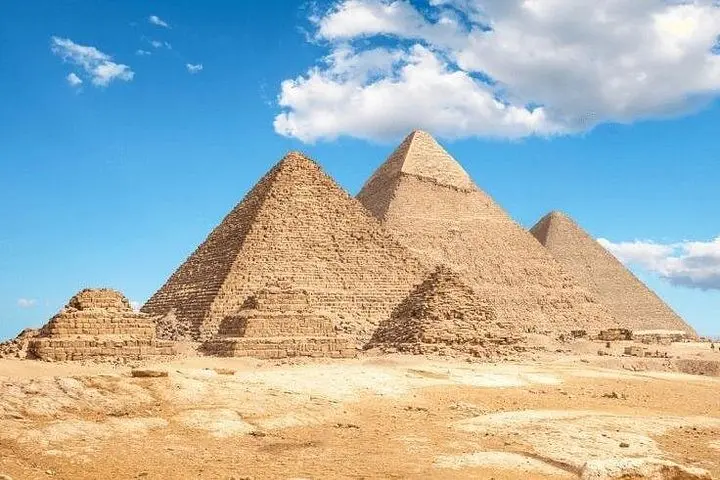
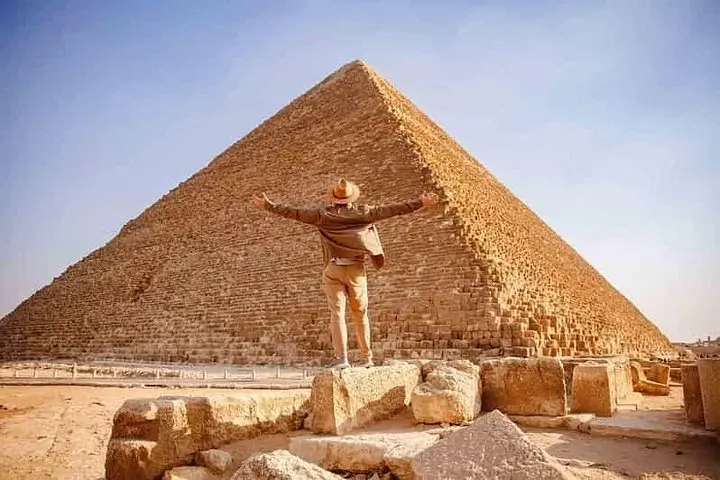
You step off an air-conditioned coach as the desert light sharpens the edges of stone—the Giza Plateau unrolling like a ledger of human ambition. The Sphinx sits with practiced patience, its limestone face weathered but commanding; the pyramids loom, their geometry cutting the sky.
Verified experiences and guided adventures in the surrounding area.
Operated by Travex Tour · Giza, Giza Governorate
You step off an air-conditioned coach as the desert light sharpens the edges of stone—the Giza Plateau unrolling like a ledger of human ambition. The Sphinx sits with practiced patience, its limestone face weathered but commanding; the pyramids loom, their geometry cutting the sky.
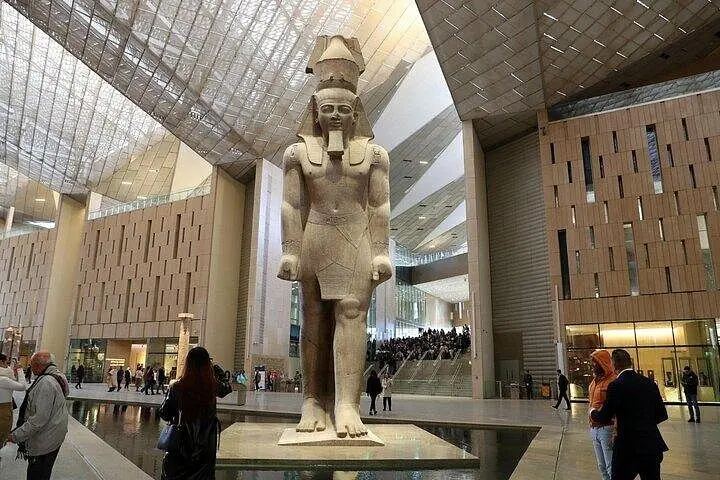
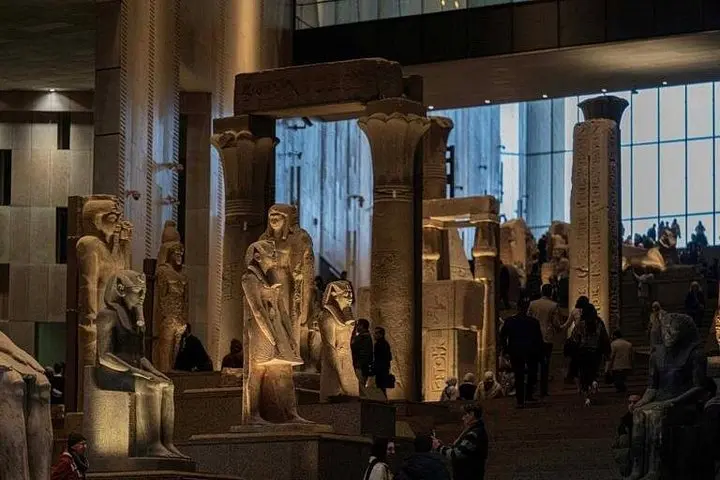
This full-day journey threads modern Egypt with its deepest antiquity. The Grand Egyptian Museum collects millennia of royal funerary art, from Tutankhamun’s gilt trappings to the solar barque of Khufu, arranged to tell how a river civilization organized the afterlife. Geologically, Giza’s monuments perch on Eocene limestone that builders quarried on-site; centuries of wind, sand, and tourists have altered surfaces, which conservation teams now stabilize inside and around the museum.
Culturally, the day spans Cairo’s evolving identity—state-sponsored archaeology meeting lively street commerce and established traditions of hospitality. Local guides translate iconography into human stories: pharaohs as administrators, funerary rites as engineering projects intended to fix a name in time.
Practical guidance: it’s a long day (expect 20–22 hours including transit). Bring sun protection, a refillable water bottle, and low-profile walking shoes for uneven stone and museum floors. Dress respectfully for religious and public spaces; keep personal documents and modest electronics secured during busy stretches. Meals are included, but plan for small purchases and tipping. Expect moderate walking—ramps and accessible routes exist but confirm needs at booking. Finally, don’t climb the monuments; enjoy them from designated viewpoints and let the stone do its work of inspiring, not being worn down.
Expect about 6–8 hours each way by road depending on traffic and border/permit checks—this tour is effectively a full 20–22 hour day.
Yes; the itinerary notes admission to the Grand Egyptian Museum and the Giza Plateau are included, but always confirm on your booking voucher.
The tour is described as suitable for all fitness levels; however it involves long bus travel and moderate walking—contact the operator in advance for mobility accommodations.
Camel or horse rides are offered locally by independent vendors and are not included in the standard tour price—negotiate price beforehand and keep time constraints in mind.
Travex Tour operates guided outdoor trips and adventures with an emphasis on safety, stewardship, and memorable experiences.
You step off an air-conditioned coach as the desert light sharpens the edges of stone—the Giza Plateau unrolling like a ledger of human ambition. The Sphinx sits with practiced patience, its limestone face weathered but commanding; the pyramids loom, their geometry cutting the sky.
You step off an air-conditioned coach as the desert light sharpens the edges of stone—the Giza Plateau unrolling like a ledger of human ambition. The Sphinx sits with practiced patience, its limestone face weathered but commanding; the pyramids loom, their geometry cutting the sky.
This full-day journey threads modern Egypt with its deepest antiquity. The Grand Egyptian Museum collects millennia of royal funerary art, from Tutankhamun’s gilt trappings to the solar barque of Khufu, arranged to tell how a river civilization organized the afterlife. Geologically, Giza’s monuments perch on Eocene limestone that builders quarried on-site; centuries of wind, sand, and tourists have altered surfaces, which conservation teams now stabilize inside and around the museum.
Culturally, the day spans Cairo’s evolving identity—state-sponsored archaeology meeting lively street commerce and established traditions of hospitality. Local guides translate iconography into human stories: pharaohs as administrators, funerary rites as engineering projects intended to fix a name in time.
Practical guidance: it’s a long day (expect 20–22 hours including transit). Bring sun protection, a refillable water bottle, and low-profile walking shoes for uneven stone and museum floors. Dress respectfully for religious and public spaces; keep personal documents and modest electronics secured during busy stretches. Meals are included, but plan for small purchases and tipping. Expect moderate walking—ramps and accessible routes exist but confirm needs at booking. Finally, don’t climb the monuments; enjoy them from designated viewpoints and let the stone do its work of inspiring, not being worn down.