THE ADVENTURE COLLECTIVE® · Independent discovery and booking for outdoor travel

Swap Tangier's port energy for narrow blue lanes and Rif mountain views on a private day trip to Chefchaouen. This full-day drive-and-walk tour delivers cultural highlights, photo-worthy alleys, and local craft shopping with comfortable transport back to Tangier.
Swap Tangier's port energy for narrow blue lanes and Rif mountain views on a private day trip to Chefchaouen. This full-day drive-and-walk tour delivers cultural highlights, photo-worthy alleys, and local craft shopping with comfortable transport back to Tangier.
A cloud-swept highway eases you out of Tangier; the air cools as the Rif Mountains lean in, their serrated ridgelines watching over a town painted in every shade of blue. By midmorning the medina of Chefchaouen opens like a map of alleys—steep steps, laundry-draped lanes, shopfronts stacked with handwoven rugs and pottery begging to be photographed.
Verified experiences and guided adventures in the surrounding area.
Operated by Cap Morocco · Chefchaouen, Tanger-Tetouan-Al Hoceima
A cloud-swept highway eases you out of Tangier; the air cools as the Rif Mountains lean in, their serrated ridgelines watching over a town painted in every shade of blue. By midmorning the medina of Chefchaouen opens like a map of alleys—steep steps, laundry-draped lanes, shopfronts stacked with handwoven rugs and pottery begging to be photographed.
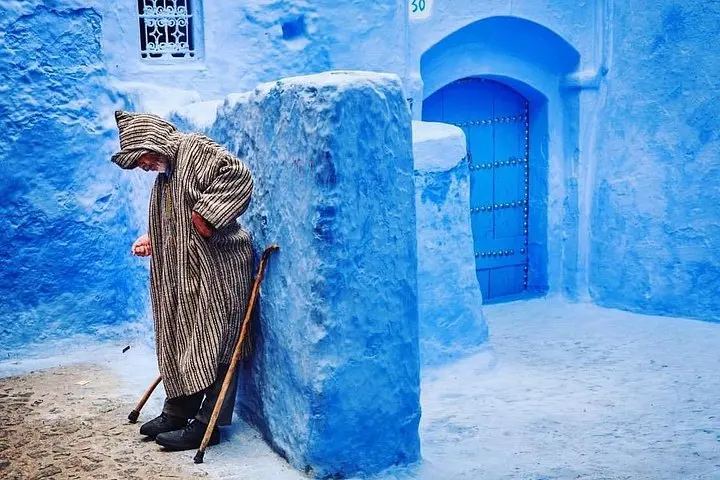
Chefchaouen began in the 15th century as a kasbah and refuge for Andalusian exiles; its narrow streets still echo Spanish and Berber influences. Geologically, the town sits on folded Rif ranges—limestone ridges and terraced slopes that channel winter runoff into the small streams and springs that feed the town. Culturally, blue pigment dominates public life: some say it cools walls, others that it repels insects; whatever the origin, the effect is striking and uninterrupted.
Expect the day to combine relaxed driving with 2–4 hours of walking in uneven cobbles. Highlights include the Kasbah Museum housed in an old fortress, the plaza around the Grand Mosque (viewable from outside), and vendors selling local goat cheeses, indigo-dyed textiles, and carved cedar goods.
Practical guidance: bring comfortable, grippy shoes for cobbles and short stair climbs; carry cash for small purchases; plan lunch at a local café—tagine or couscous are widely available. Morning light is best for photography; afternoons can be warm or dusty. Pickup and drop-off from Tangier are included, and the private vehicle gives flexibility if you want extra time at viewpoints like the Spanish Mosque above the town.
Yes—this private day trip includes pickup and drop-off from hotels or designated meeting points in Tangier.
Lunch is optional and not included; the itinerary allows time to eat at a local restaurant offering tagine, couscous, and other Moroccan dishes.
The vehicle and some town entrances are accessible, but the medina's narrow, stepped streets limit wheelchair and stroller access through much of the old town.
No—entry to the Grand Mosque is restricted to Muslims; visitors can view and photograph the exterior and the surrounding square.
Cap Morocco operates guided outdoor trips and adventures with an emphasis on safety, stewardship, and memorable experiences.

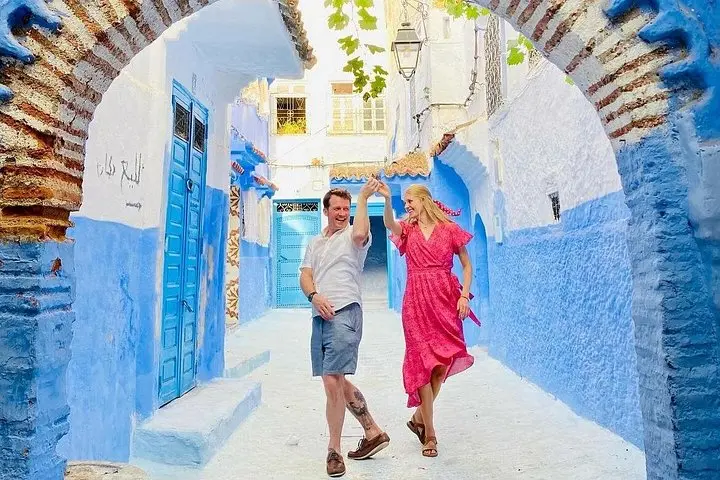
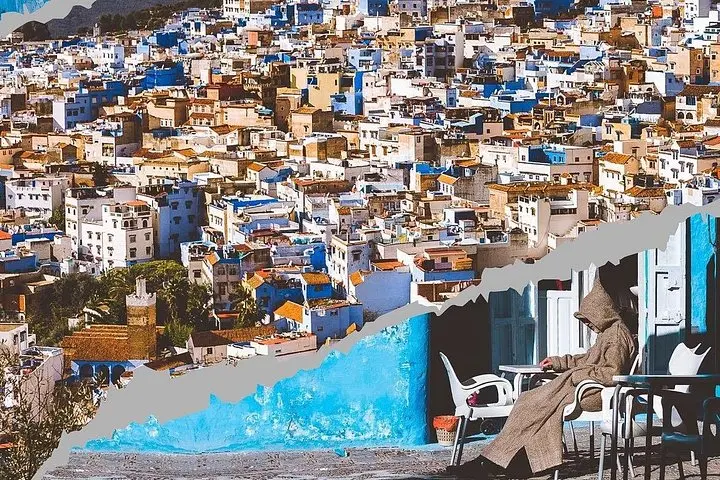
A cloud-swept highway eases you out of Tangier; the air cools as the Rif Mountains lean in, their serrated ridgelines watching over a town painted in every shade of blue. By midmorning the medina of Chefchaouen opens like a map of alleys—steep steps, laundry-draped lanes, shopfronts stacked with handwoven rugs and pottery begging to be photographed.
A cloud-swept highway eases you out of Tangier; the air cools as the Rif Mountains lean in, their serrated ridgelines watching over a town painted in every shade of blue. By midmorning the medina of Chefchaouen opens like a map of alleys—steep steps, laundry-draped lanes, shopfronts stacked with handwoven rugs and pottery begging to be photographed.
Chefchaouen began in the 15th century as a kasbah and refuge for Andalusian exiles; its narrow streets still echo Spanish and Berber influences. Geologically, the town sits on folded Rif ranges—limestone ridges and terraced slopes that channel winter runoff into the small streams and springs that feed the town. Culturally, blue pigment dominates public life: some say it cools walls, others that it repels insects; whatever the origin, the effect is striking and uninterrupted.
Expect the day to combine relaxed driving with 2–4 hours of walking in uneven cobbles. Highlights include the Kasbah Museum housed in an old fortress, the plaza around the Grand Mosque (viewable from outside), and vendors selling local goat cheeses, indigo-dyed textiles, and carved cedar goods.
Practical guidance: bring comfortable, grippy shoes for cobbles and short stair climbs; carry cash for small purchases; plan lunch at a local café—tagine or couscous are widely available. Morning light is best for photography; afternoons can be warm or dusty. Pickup and drop-off from Tangier are included, and the private vehicle gives flexibility if you want extra time at viewpoints like the Spanish Mosque above the town.