THE ADVENTURE COLLECTIVE® · Independent discovery and booking for outdoor travel

A full-day 4x4 trek from Zagora to the wild Erg Chegaga dunes, combining village visits, a desert camp lunch, a camel walk and optional sandboarding. Expect varied desert terrain, cultural stops in Tamegroute and Oulad Driss, and long stretches of off-road piste.
A full-day 4x4 trek from Zagora to the wild Erg Chegaga dunes, combining village visits, a desert camp lunch, a camel walk and optional sandboarding. Expect varied desert terrain, cultural stops in Tamegroute and Oulad Driss, and long stretches of off-road piste.
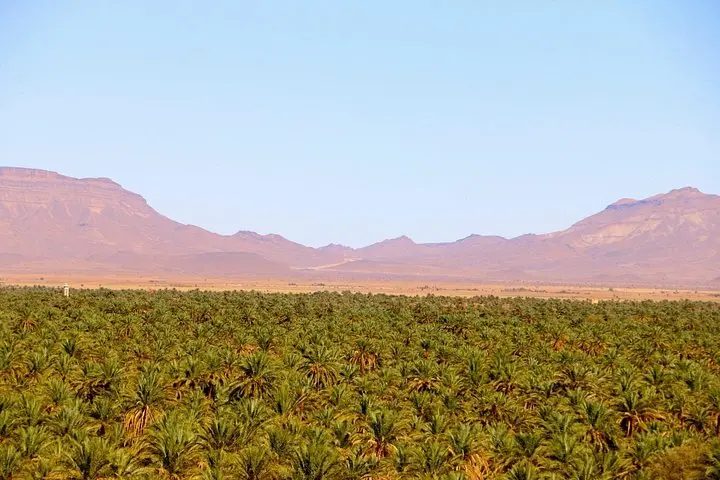
You leave Zagora before dawn, the town's ochre buildings sliding behind as the road opens into wide, sun-baked plains. The 4x4 hums over gravel pistes, the air growing thinner with dust and the horizon sharpening into long ridgelines of the Anti-Atlas and the distant silhouette of Erg Chegaga. By midday the dunes rise like a slow-moving ocean, wind shaping ridges that dare you to climb.
Verified experiences and guided adventures in the surrounding area.
Operated by Explore Morocco Travel SARL · Zagora, Drâa-Tafilalet
You leave Zagora before dawn, the town's ochre buildings sliding behind as the road opens into wide, sun-baked plains. The 4x4 hums over gravel pistes, the air growing thinner with dust and the horizon sharpening into long ridgelines of the Anti-Atlas and the distant silhouette of Erg Chegaga. By midday the dunes rise like a slow-moving ocean, wind shaping ridges that dare you to climb.
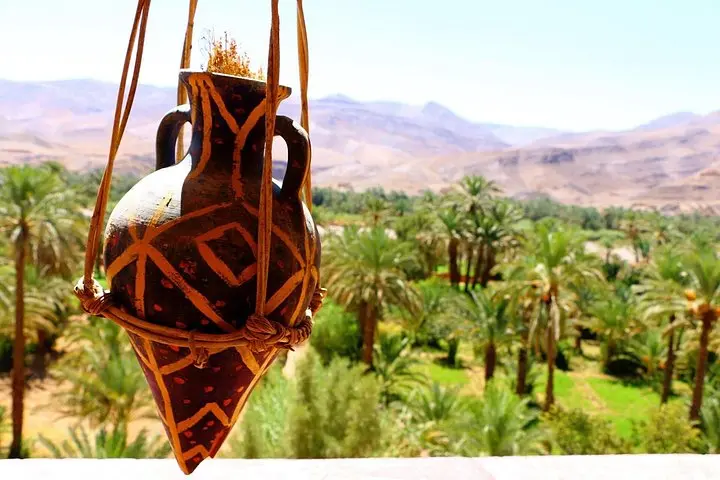
The route threads through Tamegroute — a Saadian-era stop with a covered coranic library and pottery workshops — then past Oulad Driss palm groves and the old Paris–Dakar road. Geologically the area is a mix of ancient river terraces and Saharan sand seas; the Iriki salt pan underlines how this landscape oscillates between wet and bone-dry. Culture here is Berber and nomadic: expect simple desert camps, mint tea, and family-run pottery stalls.
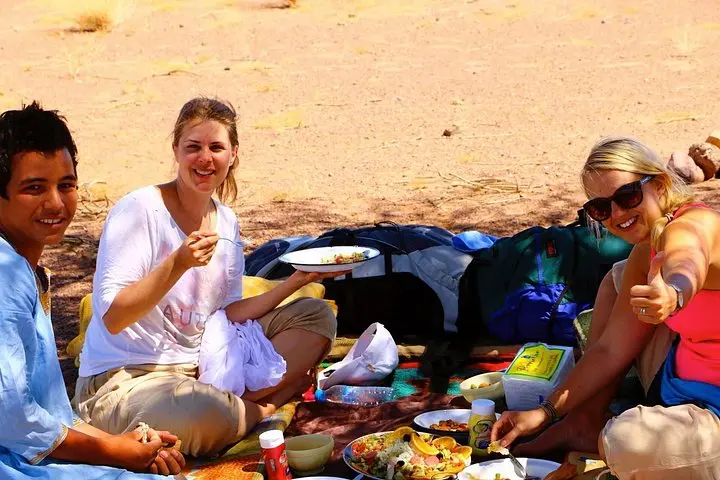
Practically, the day is long (about 10 hours): expect 3–4 hours of driven piste, two hours exploring dunes and village sites, plus stops for lunch and short guided walks. Terrain varies from hard-packed track to loose sand; a short camel walk gives a low, steady vantage of the dunes while sandboarding offers quick bursts of adrenaline. Bring sun protection, layered clothing for temperature swings, sturdy closed-toe shoes, and at least 2–3 liters of water. If you have back or heart issues, note the operator flags the trip as unsuitable.
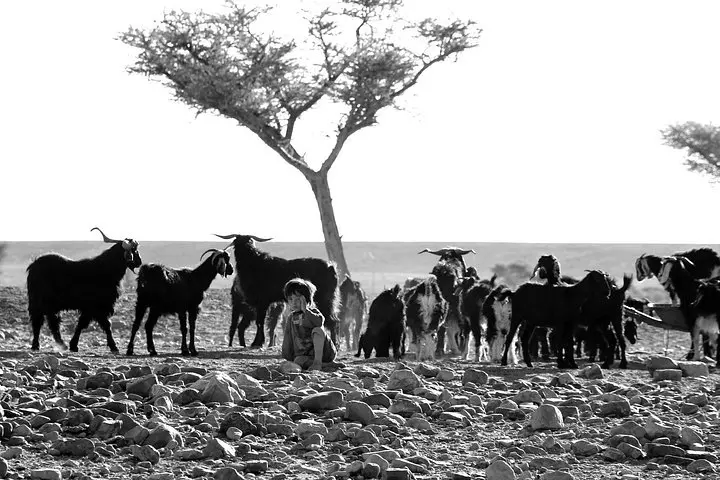
This trip balances cultural stops, mild wildlife viewing, and full-desert exposure — a compact way to meet the Sahara without an overnight commitment.
The 4x4 route including stops typically covers ~3–4 hours of off-road driving each way with detours; total trip duration is about 10 hours.
Yes — the itinerary usually includes a short camel walk at the camp and optional sandboarding on suitable dune faces.
Children can join but the operator notes the trip is not recommended for travelers with spinal or serious heart conditions due to bumpy 4x4 piste sections.
Modest clothing for mosque/library areas, cash for pottery or tips, and a respectful attitude for photo requests when visiting families.
Explore Morocco Travel SARL operates guided outdoor trips and adventures with an emphasis on safety, stewardship, and memorable experiences.
You leave Zagora before dawn, the town's ochre buildings sliding behind as the road opens into wide, sun-baked plains. The 4x4 hums over gravel pistes, the air growing thinner with dust and the horizon sharpening into long ridgelines of the Anti-Atlas and the distant silhouette of Erg Chegaga. By midday the dunes rise like a slow-moving ocean, wind shaping ridges that dare you to climb.
You leave Zagora before dawn, the town's ochre buildings sliding behind as the road opens into wide, sun-baked plains. The 4x4 hums over gravel pistes, the air growing thinner with dust and the horizon sharpening into long ridgelines of the Anti-Atlas and the distant silhouette of Erg Chegaga. By midday the dunes rise like a slow-moving ocean, wind shaping ridges that dare you to climb.
The route threads through Tamegroute — a Saadian-era stop with a covered coranic library and pottery workshops — then past Oulad Driss palm groves and the old Paris–Dakar road. Geologically the area is a mix of ancient river terraces and Saharan sand seas; the Iriki salt pan underlines how this landscape oscillates between wet and bone-dry. Culture here is Berber and nomadic: expect simple desert camps, mint tea, and family-run pottery stalls.
Practically, the day is long (about 10 hours): expect 3–4 hours of driven piste, two hours exploring dunes and village sites, plus stops for lunch and short guided walks. Terrain varies from hard-packed track to loose sand; a short camel walk gives a low, steady vantage of the dunes while sandboarding offers quick bursts of adrenaline. Bring sun protection, layered clothing for temperature swings, sturdy closed-toe shoes, and at least 2–3 liters of water. If you have back or heart issues, note the operator flags the trip as unsuitable.
This trip balances cultural stops, mild wildlife viewing, and full-desert exposure — a compact way to meet the Sahara without an overnight commitment.