THE ADVENTURE COLLECTIVE® · Independent discovery and booking for outdoor travel

Escape Hanoi on a 10‑hour day trip to Ninh Binh’s Hoa Lu and Tam Coc. Glide by bamboo boat through cave-carved riverways, pedal past rice fields, and visit the 17th‑century temples that mark Vietnam’s first capital.
Escape Hanoi on a 10‑hour day trip to Ninh Binh’s Hoa Lu and Tam Coc. Glide by bamboo boat through cave-carved riverways, pedal past rice fields, and visit the 17th‑century temples that mark Vietnam’s first capital.
You step off a comfortable limousine bus and the air shifts—rice fields spread low like green water, limestone towers puncture the skyline, and the Ngo Dong River threads through caves that seem to inhale and exhale. This is Ninh Binh: a landscape that pushes and cradles you at once.
Verified experiences and guided adventures in the surrounding area.
Operated by Authentic Travel HOI AN · Tam Coc, Ninh Binh Province
You step off a comfortable limousine bus and the air shifts—rice fields spread low like green water, limestone towers puncture the skyline, and the Ngo Dong River threads through caves that seem to inhale and exhale. This is Ninh Binh: a landscape that pushes and cradles you at once.
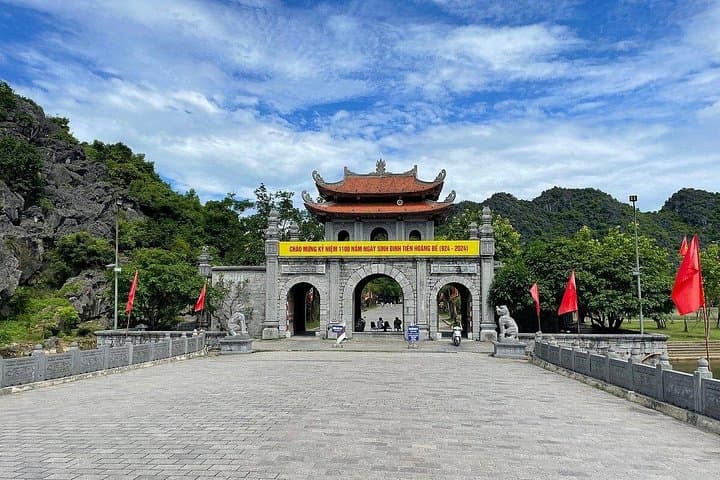
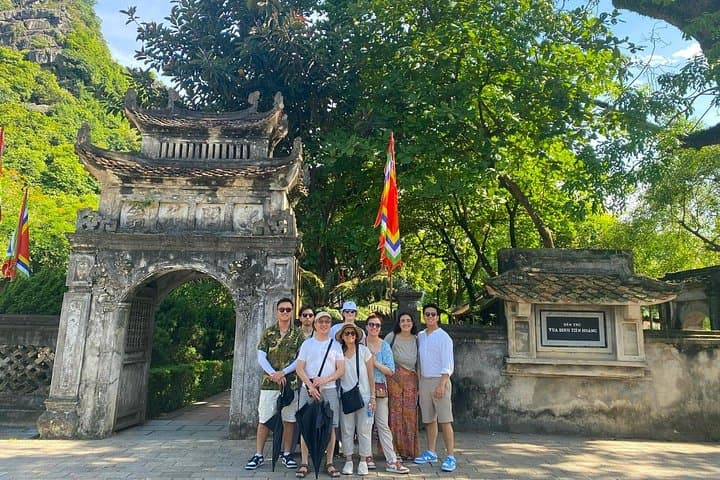
The day begins with Hoa Lu, the first Vietnamese capital (10th–11th centuries). The stone temples visible today were rebuilt in the 17th century to honor King Dinh and King Le; their architecture is spare but deliberate, a human foothold against the karst. Geologically, Tam Coc’s scenery is classic Dinaric-style karst: steep, weathered limestone, subterranean passages and caves carved by persistent water over millennia.
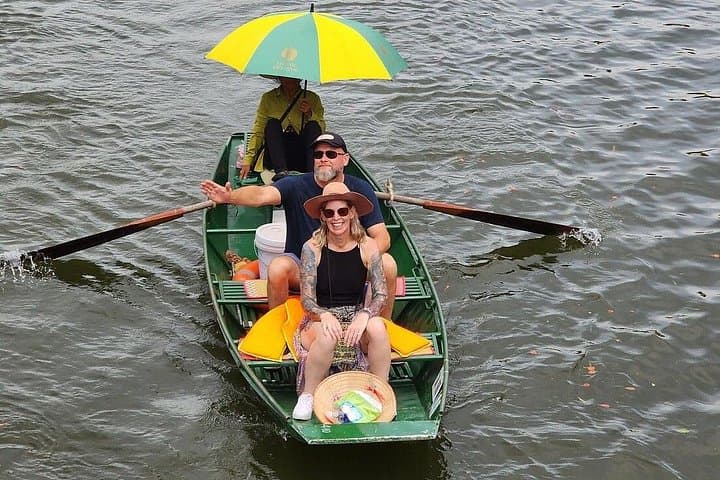
Culturally, villages here remain tied to rice cycles—when fields flood, they reflect clouds like mirrors. Locals ply narrow lanes on bicycles and small boats ferried by experienced rowers who know each cave’s mouth.
Practically: expect a 10‑hour itinerary from Hanoi (about 120 km each way by road). The tour includes a 1.5‑hour bamboo-boat ride on the Ngo Dong River through three caves and roughly 45 minutes of flat, village cycling on well‑worn paths. Terrain is mostly easy—paved or compacted dirt—but sun and occasional drizzle can change comfort quickly. Bring sun protection, a light rain layer, sturdy closed-toe shoes for cycling, and a refillable bottle; carry small cash for souvenirs. Timing-wise, mornings avoid peak heat and afternoon light is best for photography. Respect boat crews, follow your guide on temple etiquette, and leave no trace on fields and riverbanks—this landscape holds a delicate balance between agriculture and the karst that shapes it.
The bamboo-boat trip runs about 1.5 hours and passes through three caves on the Ngo Dong River—expect slow, scenic rowing led by local boat crews.
Cycling is an easy, 30–45 minute section on flat village roads; basic balance and comfort on a standard bicycle suffice.
Yes—limousine bus pickup and drop-off from hotels in Hanoi’s Old Quarter are included in the tour price.
Yes—entrance fees for Hoa Lu and the boat, plus a local buffet lunch (with vegetarian options) are included.
Authentic Travel HOI AN operates guided outdoor trips and adventures with an emphasis on safety, stewardship, and memorable experiences.

You step off a comfortable limousine bus and the air shifts—rice fields spread low like green water, limestone towers puncture the skyline, and the Ngo Dong River threads through caves that seem to inhale and exhale. This is Ninh Binh: a landscape that pushes and cradles you at once.
You step off a comfortable limousine bus and the air shifts—rice fields spread low like green water, limestone towers puncture the skyline, and the Ngo Dong River threads through caves that seem to inhale and exhale. This is Ninh Binh: a landscape that pushes and cradles you at once.
The day begins with Hoa Lu, the first Vietnamese capital (10th–11th centuries). The stone temples visible today were rebuilt in the 17th century to honor King Dinh and King Le; their architecture is spare but deliberate, a human foothold against the karst. Geologically, Tam Coc’s scenery is classic Dinaric-style karst: steep, weathered limestone, subterranean passages and caves carved by persistent water over millennia.
Culturally, villages here remain tied to rice cycles—when fields flood, they reflect clouds like mirrors. Locals ply narrow lanes on bicycles and small boats ferried by experienced rowers who know each cave’s mouth.
Practically: expect a 10‑hour itinerary from Hanoi (about 120 km each way by road). The tour includes a 1.5‑hour bamboo-boat ride on the Ngo Dong River through three caves and roughly 45 minutes of flat, village cycling on well‑worn paths. Terrain is mostly easy—paved or compacted dirt—but sun and occasional drizzle can change comfort quickly. Bring sun protection, a light rain layer, sturdy closed-toe shoes for cycling, and a refillable bottle; carry small cash for souvenirs. Timing-wise, mornings avoid peak heat and afternoon light is best for photography. Respect boat crews, follow your guide on temple etiquette, and leave no trace on fields and riverbanks—this landscape holds a delicate balance between agriculture and the karst that shapes it.