THE ADVENTURE COLLECTIVE® · Independent discovery and booking for outdoor travel

Escape Kampala for a full-day drive to Sezibwa Falls, a short hike in Mabira Forest, and a boat ride to the Nile’s dramatic zero point in Jinja. This practical guide outlines what to expect, what to pack, and local insights to make the most of a seven-hour adventure.
Escape Kampala for a full-day drive to Sezibwa Falls, a short hike in Mabira Forest, and a boat ride to the Nile’s dramatic zero point in Jinja. This practical guide outlines what to expect, what to pack, and local insights to make the most of a seven-hour adventure.
You arrive before the heat builds, Kampala shrinking behind you as tea plantations and roadside markets flash by — baskets of mangoes and sugarcane stacked like quiet promises. The road to Jinja threads through a low, green country; the first pause is Sezibwa Falls, where water drops about seven meters over ancient rock and local stories linger at the pool’s edge.
Verified experiences and guided adventures in the surrounding area.
Operated by Dark Hills Uganda · Jinja, Jinja District
You arrive before the heat builds, Kampala shrinking behind you as tea plantations and roadside markets flash by — baskets of mangoes and sugarcane stacked like quiet promises. The road to Jinja threads through a low, green country; the first pause is Sezibwa Falls, where water drops about seven meters over ancient rock and local stories linger at the pool’s edge.
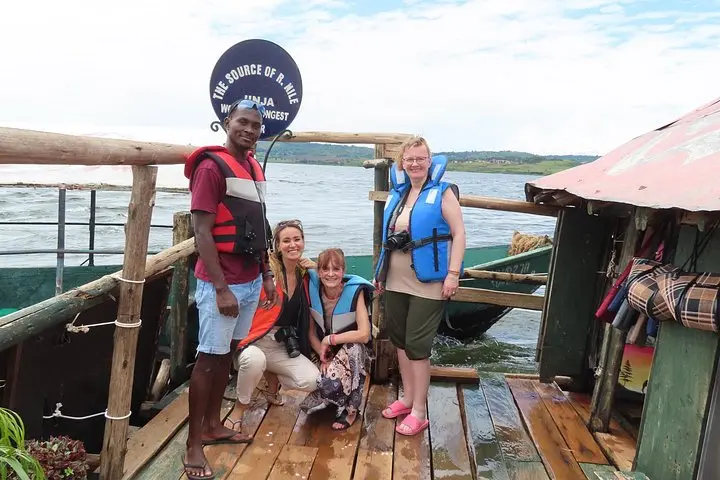
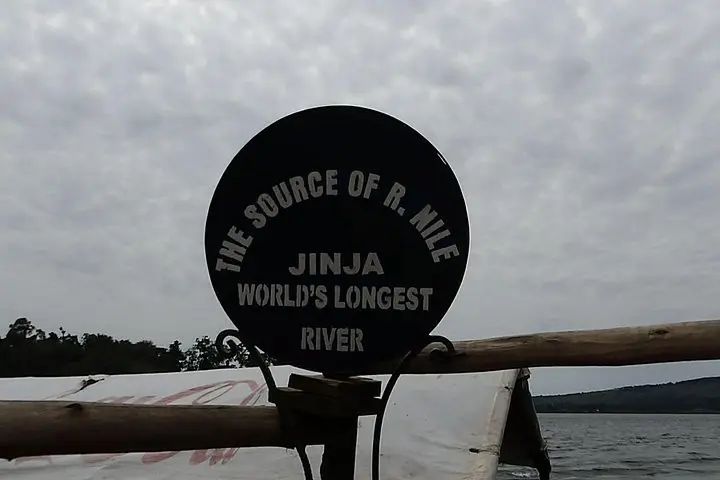
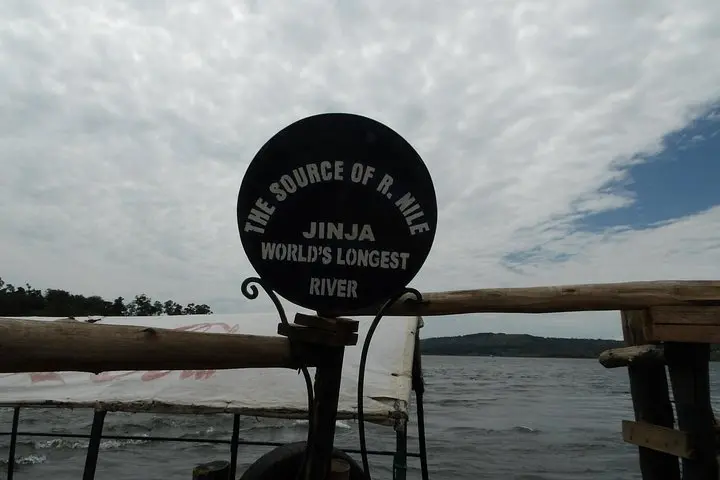
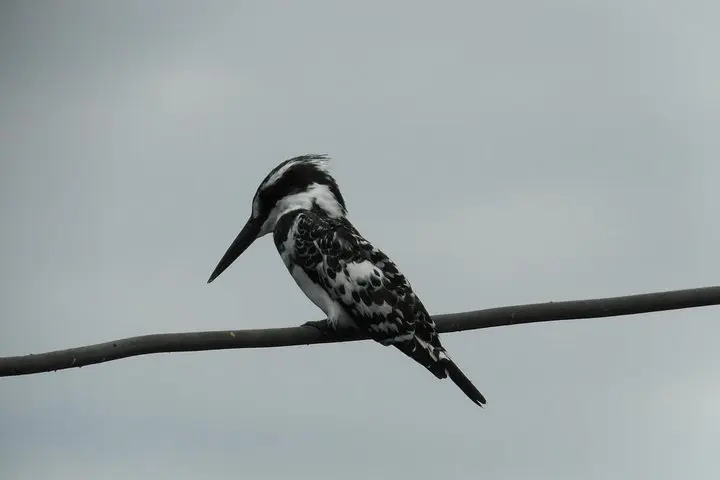
This one-day route stitches together geology and culture: Sezibwa’s rocky lip sits on weathered schist and quartz, while Mabira Forest preserves a remnant of Uganda’s rain forest that’s been protected since 1932. In Mabira you’ll hike short, shaded trails watching troops of monkeys move like punctuation through the canopy and listening to turacos and hornbills. The day ends at the Nile’s so-called “zero point” near Jinja — the visible beginning of a river that travels roughly 6,500 km to the Mediterranean, constrained here by the Owen Falls hydropower infrastructure.
Local life threads through the trip — roadside markets, tea estates, and fishing communities along Lake Victoria — giving a practical sense of place beyond postcard views. Guides explain cultural taboos around Sezibwa and the conservation tensions around Mabira’s logging history.
Practical guidance: plan for roughly seven hours on the road with a mix of short walks and a calm 30–60 minute boat ride to the zero point. Wear sturdy shoes for muddy forest paths, carry water and insect repellent, and time the visit for morning or late afternoon light to avoid midday heat and to catch more wildlife activity.
Boat trips typically run 30–60 minutes round-trip depending on the launch point and how long you stay at the zero point.
No — the tour includes a short, guided forest walk on maintained trails suitable for most abilities; terrain can be uneven and muddy after rain.
Yes — this tour includes all indicated entrances and a local lunch with a soft drink, as well as snacks on the route.
Trips may be canceled in heavy rain for safety; check cancellation policy (full refund if canceled at least 24 hours prior).
Dark Hills Uganda operates guided outdoor trips and adventures with an emphasis on safety, stewardship, and memorable experiences.
You arrive before the heat builds, Kampala shrinking behind you as tea plantations and roadside markets flash by — baskets of mangoes and sugarcane stacked like quiet promises. The road to Jinja threads through a low, green country; the first pause is Sezibwa Falls, where water drops about seven meters over ancient rock and local stories linger at the pool’s edge.
You arrive before the heat builds, Kampala shrinking behind you as tea plantations and roadside markets flash by — baskets of mangoes and sugarcane stacked like quiet promises. The road to Jinja threads through a low, green country; the first pause is Sezibwa Falls, where water drops about seven meters over ancient rock and local stories linger at the pool’s edge.
This one-day route stitches together geology and culture: Sezibwa’s rocky lip sits on weathered schist and quartz, while Mabira Forest preserves a remnant of Uganda’s rain forest that’s been protected since 1932. In Mabira you’ll hike short, shaded trails watching troops of monkeys move like punctuation through the canopy and listening to turacos and hornbills. The day ends at the Nile’s so-called “zero point” near Jinja — the visible beginning of a river that travels roughly 6,500 km to the Mediterranean, constrained here by the Owen Falls hydropower infrastructure.
Local life threads through the trip — roadside markets, tea estates, and fishing communities along Lake Victoria — giving a practical sense of place beyond postcard views. Guides explain cultural taboos around Sezibwa and the conservation tensions around Mabira’s logging history.
Practical guidance: plan for roughly seven hours on the road with a mix of short walks and a calm 30–60 minute boat ride to the zero point. Wear sturdy shoes for muddy forest paths, carry water and insect repellent, and time the visit for morning or late afternoon light to avoid midday heat and to catch more wildlife activity.