THE ADVENTURE COLLECTIVE® · Independent discovery and booking for outdoor travel

A full-day excursion from Kampala combines game drives and a boat safari on Lake Mburo, known for zebras, impalas and abundant waterbirds. Expect long drives, close wildlife sightings, and a relaxed mix of savannah and wetland scenery.
A full-day excursion from Kampala combines game drives and a boat safari on Lake Mburo, known for zebras, impalas and abundant waterbirds. Expect long drives, close wildlife sightings, and a relaxed mix of savannah and wetland scenery.
Before dawn the minivan slides out of Kampala, headlights carving a path through the roadside market glow. The highway unfurls westward; the land flattens and the air takes on a dry, grassy scent. By midmorning the landscape opens to acacia-scattered savannah and the low mirror of Lake Mburo appears — a chain of shallow lakes that draws hippos like magnets.
Verified experiences and guided adventures in the surrounding area.
Operated by Gorilla Safaris Uganda · Mbarara, Western Region
Before dawn the minivan slides out of Kampala, headlights carving a path through the roadside market glow. The highway unfurls westward; the land flattens and the air takes on a dry, grassy scent. By midmorning the landscape opens to acacia-scattered savannah and the low mirror of Lake Mburo appears — a chain of shallow lakes that draws hippos like magnets.
Lake Mburo National Park, gazetted in the early 1980s, sits on the edge of the western rift complex. Its geology is lived-in: eroded hills, papyrus-lined wetlands and sandy ridges that define small lakes and seasonal floodplains. Locally, the Banyankole and pastoral communities graze cattle nearby and the equator marker at Kayabwe is a quick cultural photo stop on the way.
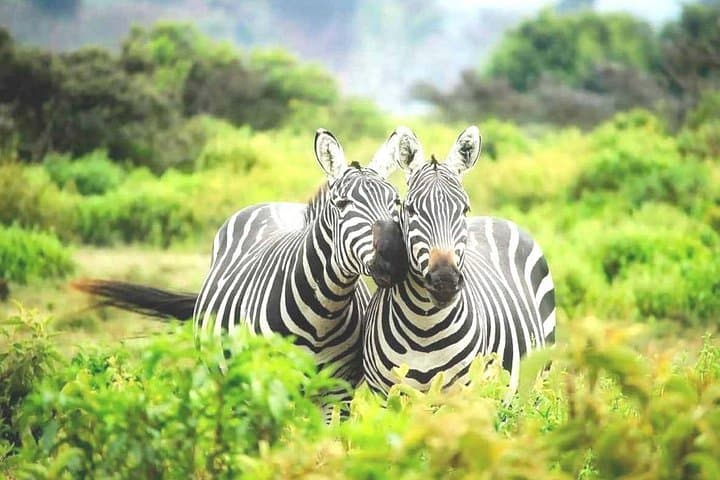
A one-day safari balances game drives and a guided boat trip. Game viewing is relaxed and intimate — zebras and impala graze close to the track, topi keep watch on termite mounds, and giraffes pick at thorny acacia. The boat ride pushes along reed edges: hippos claim the shallows, crocodiles loaf on sun-warmed banks, and marsh birds dart through papyrus corridors.
Practical edge: expect long drives (6–8 hours round-trip from Kampala), dusty roads, and bumpy tracks inside the park. Neutral clothing, strong sun protection, insect repellent and a good pair of binoculars improve sightings. Bring a light rain layer during the wet months and keep your passport handy for park entry. Timing matters — early morning and late afternoon are when animals move and birds sing most loudly, while midday is best spent on the lake or having lunch under acacia shade.
Expect about 3–4 hours each way depending on traffic and exact pickup location; guides typically schedule 6:00 AM pick-up for a full-day itinerary.
Common sightings include zebras, impala, topi, bushbuck, giraffes and numerous waterbirds; hippos and crocodiles are often seen on the boat trip.
Yes — guided boat trips operate at a safe distance and in shallower channels; follow the guide’s instructions and avoid sudden movements near hippos.
Yes — a current valid passport is typically required for park entry and should be carried on the day of travel.
Gorilla Safaris Uganda operates guided outdoor trips and adventures with an emphasis on safety, stewardship, and memorable experiences.


Before dawn the minivan slides out of Kampala, headlights carving a path through the roadside market glow. The highway unfurls westward; the land flattens and the air takes on a dry, grassy scent. By midmorning the landscape opens to acacia-scattered savannah and the low mirror of Lake Mburo appears — a chain of shallow lakes that draws hippos like magnets.
Before dawn the minivan slides out of Kampala, headlights carving a path through the roadside market glow. The highway unfurls westward; the land flattens and the air takes on a dry, grassy scent. By midmorning the landscape opens to acacia-scattered savannah and the low mirror of Lake Mburo appears — a chain of shallow lakes that draws hippos like magnets.
Lake Mburo National Park, gazetted in the early 1980s, sits on the edge of the western rift complex. Its geology is lived-in: eroded hills, papyrus-lined wetlands and sandy ridges that define small lakes and seasonal floodplains. Locally, the Banyankole and pastoral communities graze cattle nearby and the equator marker at Kayabwe is a quick cultural photo stop on the way.
A one-day safari balances game drives and a guided boat trip. Game viewing is relaxed and intimate — zebras and impala graze close to the track, topi keep watch on termite mounds, and giraffes pick at thorny acacia. The boat ride pushes along reed edges: hippos claim the shallows, crocodiles loaf on sun-warmed banks, and marsh birds dart through papyrus corridors.
Practical edge: expect long drives (6–8 hours round-trip from Kampala), dusty roads, and bumpy tracks inside the park. Neutral clothing, strong sun protection, insect repellent and a good pair of binoculars improve sightings. Bring a light rain layer during the wet months and keep your passport handy for park entry. Timing matters — early morning and late afternoon are when animals move and birds sing most loudly, while midday is best spent on the lake or having lunch under acacia shade.