THE ADVENTURE COLLECTIVE® · Independent discovery and booking for outdoor travel

See Mt. Fuji from the Subaru Line 5th Station, watch steam rise at Ōwakudani, glide on the Hakone Ropeway, and finish with a tranquil Lake Ashi cruise — all in one well-paced day from Tokyo. Practical tips for timing, clothing, and visibility help you get the most from the itinerary.
See Mt. Fuji from the Subaru Line 5th Station, watch steam rise at Ōwakudani, glide on the Hakone Ropeway, and finish with a tranquil Lake Ashi cruise — all in one well-paced day from Tokyo. Practical tips for timing, clothing, and visibility help you get the most from the itinerary.
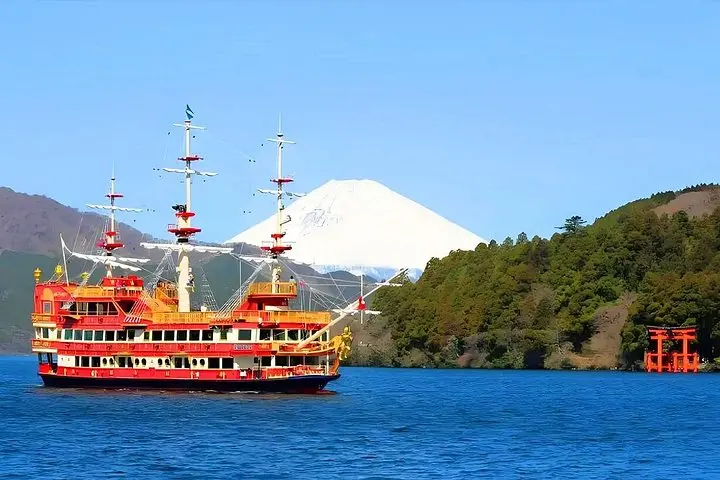
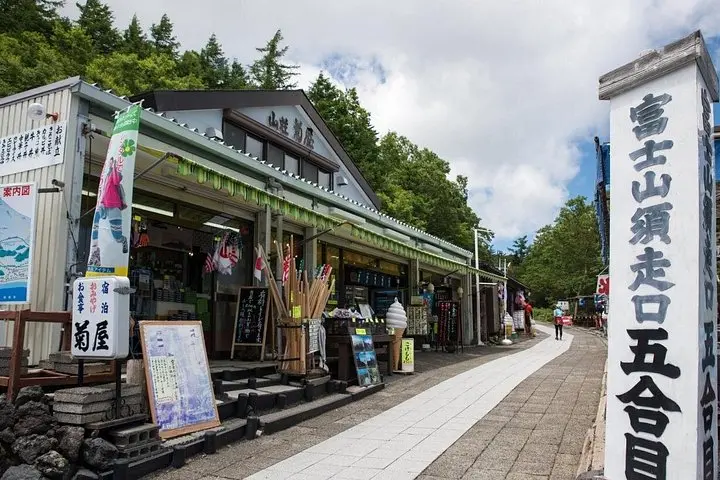
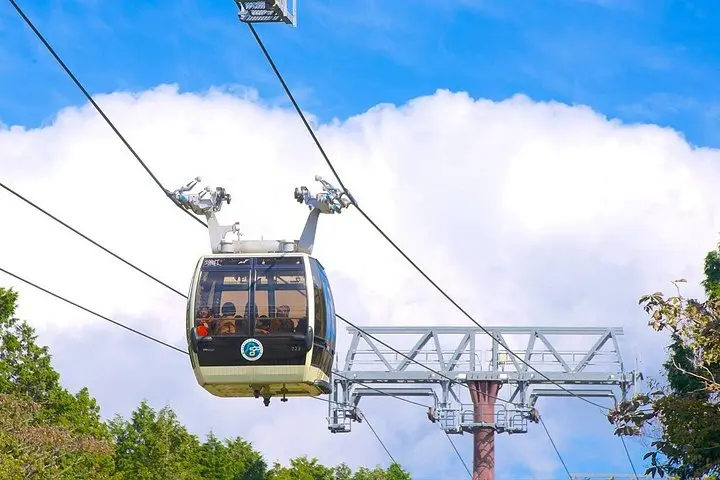
A ribbon of highway peels away from Shinjuku and, within two hours, the city’s glass and neon give way to cedar forests and volcanic air. At the Subaru Line 5th Station, thin air and open sky frame Mt. Fuji’s near-perfect cone; the mountain looms like a patient force, inviting quick exploration rather than summit attempts. Later, the ropeway lifts visitors over Ōwakudani’s steaming fumaroles — sulfur-scented vents that remind you this landscape was forged by fire — before a calm cruise across Lake Ashi slows the day to reflective motion.
Verified experiences and guided adventures in the surrounding area.
Operated by JoyFun Tour, LLC · Hakone, Kanagawa
A ribbon of highway peels away from Shinjuku and, within two hours, the city’s glass and neon give way to cedar forests and volcanic air. At the Subaru Line 5th Station, thin air and open sky frame Mt. Fuji’s near-perfect cone; the mountain looms like a patient force, inviting quick exploration rather than summit attempts. Later, the ropeway lifts visitors over Ōwakudani’s steaming fumaroles — sulfur-scented vents that remind you this landscape was forged by fire — before a calm cruise across Lake Ashi slows the day to reflective motion.
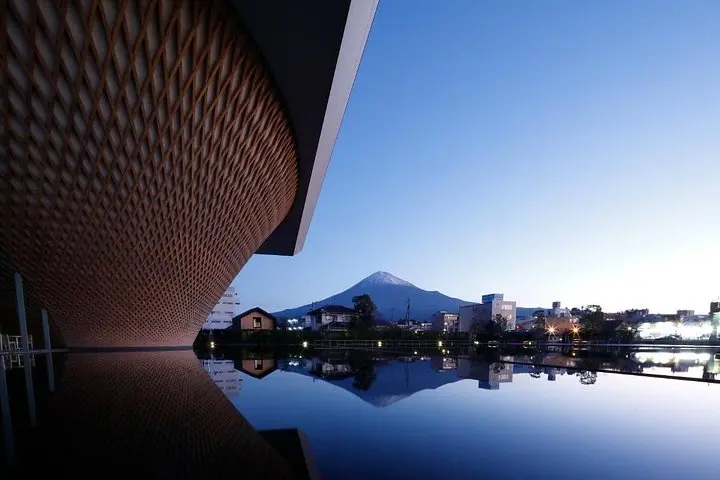
Geology here is immediate: Hakone is a caldera complex formed by repeated eruptions, and Ōwakudani’s sulfur vents are an active reminder of that process. Culturally, the area has long been a pilgrimage landscape—Fuji’s slopes feature in Edo-period prints and local shrines—and the lakeside torii marks the interplay of nature and belief. Small museums in Yamanashi and Hakone explain the mountain’s World Heritage status and the region’s hot-spring traditions.
Practically, expect a guided, coach-driven itinerary with short walks, cable-car rides, and a vessel crossing Lake Ashi; time at Fuji’s 5th Station is weather-dependent. Dress in layers for temperature swings between 1,000–2,300 m, carry basic snacks and water, and bring travel documents for included shinkansen options. Opt for early departures for the best visibility; clouds build over Fuji by midday. This one-day loop is ideal for travelers who want a concentrated dose of Japan’s volcanic landscapes without technical hiking — sensory, accessible, and surprisingly varied in a single day.
Yes—this is a coach-based tour with short walks; facilities and gentle pacing make it accessible, though high-altitude stops can be chilly.
Access to the 5th Station is seasonal and weather-dependent; there’s an alternate itinerary with the Fuji World Heritage Center in lower months.
Lunch, Hakone Ropeway admission, Lake Ashi cruise, and shinkansen fare (if selected) are included as stated—confirm dietary needs when booking.
Yes—ropeway and cruise operations can close in strong winds or volcanic alerts; the operator will modify the itinerary as needed.
JoyFun Tour, LLC operates guided outdoor trips and adventures with an emphasis on safety, stewardship, and memorable experiences.
A ribbon of highway peels away from Shinjuku and, within two hours, the city’s glass and neon give way to cedar forests and volcanic air. At the Subaru Line 5th Station, thin air and open sky frame Mt. Fuji’s near-perfect cone; the mountain looms like a patient force, inviting quick exploration rather than summit attempts. Later, the ropeway lifts visitors over Ōwakudani’s steaming fumaroles — sulfur-scented vents that remind you this landscape was forged by fire — before a calm cruise across Lake Ashi slows the day to reflective motion.
A ribbon of highway peels away from Shinjuku and, within two hours, the city’s glass and neon give way to cedar forests and volcanic air. At the Subaru Line 5th Station, thin air and open sky frame Mt. Fuji’s near-perfect cone; the mountain looms like a patient force, inviting quick exploration rather than summit attempts. Later, the ropeway lifts visitors over Ōwakudani’s steaming fumaroles — sulfur-scented vents that remind you this landscape was forged by fire — before a calm cruise across Lake Ashi slows the day to reflective motion.
Geology here is immediate: Hakone is a caldera complex formed by repeated eruptions, and Ōwakudani’s sulfur vents are an active reminder of that process. Culturally, the area has long been a pilgrimage landscape—Fuji’s slopes feature in Edo-period prints and local shrines—and the lakeside torii marks the interplay of nature and belief. Small museums in Yamanashi and Hakone explain the mountain’s World Heritage status and the region’s hot-spring traditions.
Practically, expect a guided, coach-driven itinerary with short walks, cable-car rides, and a vessel crossing Lake Ashi; time at Fuji’s 5th Station is weather-dependent. Dress in layers for temperature swings between 1,000–2,300 m, carry basic snacks and water, and bring travel documents for included shinkansen options. Opt for early departures for the best visibility; clouds build over Fuji by midday. This one-day loop is ideal for travelers who want a concentrated dose of Japan’s volcanic landscapes without technical hiking — sensory, accessible, and surprisingly varied in a single day.