THE ADVENTURE COLLECTIVE® · Independent discovery and booking for outdoor travel

A full-day private tour from Mexico City through Barranca de Metztitlán’s creeks and caves, ending in Huasca’s Forest of Trout. Expect short hikes, rocky creekbeds, and dramatic canyon views—perfect for photographers and nature lovers.
A full-day private tour from Mexico City through Barranca de Metztitlán’s creeks and caves, ending in Huasca’s Forest of Trout. Expect short hikes, rocky creekbeds, and dramatic canyon views—perfect for photographers and nature lovers.
You step out of the van into a dry wind that smells of limestone and sage; the Barranca de Metztitlán opens like a raw, sun-baked book of cliffs and thin rivers. Over the day you move between narrow creekbeds and cave mouths, following Cura Creek’s ribbon of water, peering into Guano Cave, and tracing the quieter Escondido Creek before arriving at Huasca’s Forest of Trout as the light softens.
Verified experiences and guided adventures in the surrounding area.
Operated by Aeromar Travel Agency · San Agustín Metzquititlán, Hidalgo
You step out of the van into a dry wind that smells of limestone and sage; the Barranca de Metztitlán opens like a raw, sun-baked book of cliffs and thin rivers. Over the day you move between narrow creekbeds and cave mouths, following Cura Creek’s ribbon of water, peering into Guano Cave, and tracing the quieter Escondido Creek before arriving at Huasca’s Forest of Trout as the light softens.
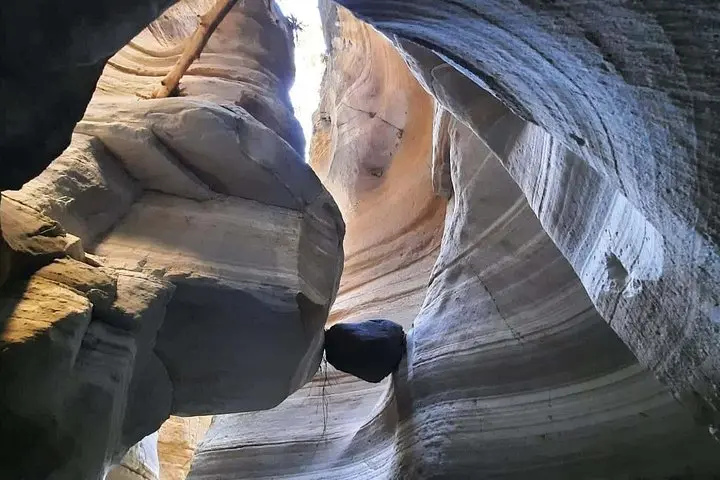
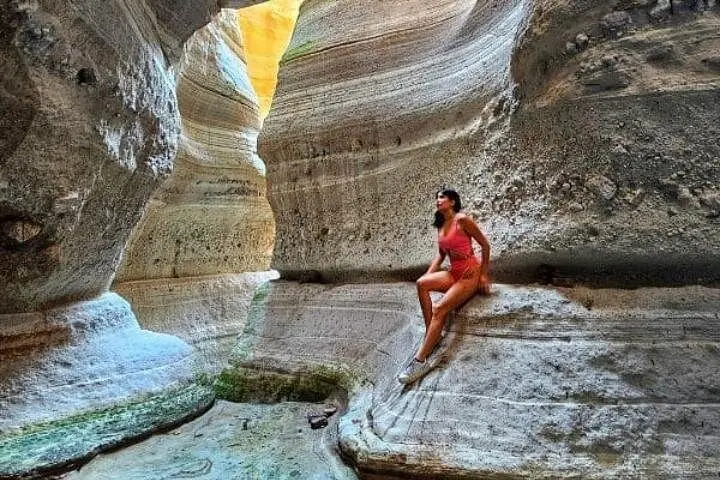
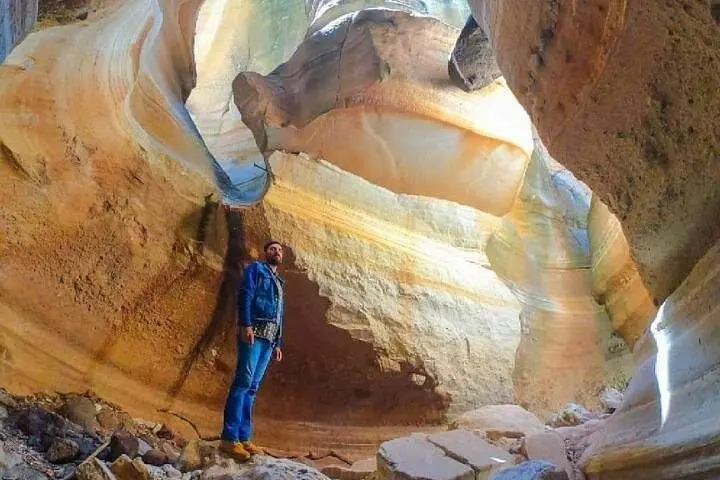
Geology here is visible and direct: folded volcanic tuff and limestone have been carved into steep ravines and small caverns, with perennial springs forcing green corridors through otherwise arid scrub. San Agustín Metzquititlán carries a mixed cultural history—ranching, indigenous Otomí communities nearby, and 19th-century hacienda influences in Huasca—so the landscape reads as both natural and worked.
Expect short, uneven walks from vehicle to viewpoints — individual site approaches typically range from 0.5–2 km with intermittent elevation changes of 50–250 m. Terrain alternates packed dirt, rocky steps, and creek crossings where boots get tested. Wildlife is discreet: birds and lizards are common; small mammals retreat into shade.
Practically, this is a full-day, guided private tour from Mexico City (about 2–3 hours each direction depending on traffic). Bring at least 2 liters of water, sun protection, and sturdy shoes with grip. Plan for snacks provided but limited food options on-site; a light jacket helps for late-afternoon wind in Huasca. The route is rewarding for photographers and anyone wanting a compact introduction to Hidalgo’s geological contrasts without overnight logistics.
Travel time is typically 2–3 hours each way depending on traffic; the tour is a full-day (about 10 hours) excursion.
Access to Guano Cave involves uneven ground and may require steps or short scrambles; it’s not ideal for travelers with significant mobility limitations.
Light snacks are provided on the tour; plan to bring or buy a full meal in Huasca if you need a larger lunch.
Guides add geological, cultural, and safety context and handle transport and entrance logistics—recommended for a one-day itinerary from CDMX.
Aeromar Travel Agency operates guided outdoor trips and adventures with an emphasis on safety, stewardship, and memorable experiences.
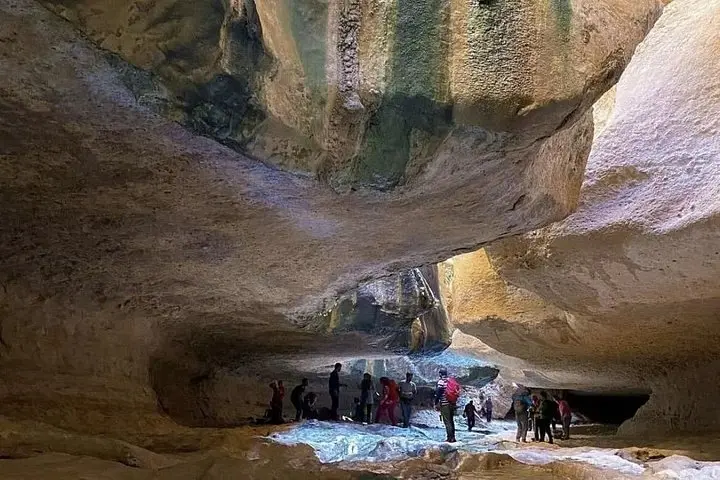
You step out of the van into a dry wind that smells of limestone and sage; the Barranca de Metztitlán opens like a raw, sun-baked book of cliffs and thin rivers. Over the day you move between narrow creekbeds and cave mouths, following Cura Creek’s ribbon of water, peering into Guano Cave, and tracing the quieter Escondido Creek before arriving at Huasca’s Forest of Trout as the light softens.
You step out of the van into a dry wind that smells of limestone and sage; the Barranca de Metztitlán opens like a raw, sun-baked book of cliffs and thin rivers. Over the day you move between narrow creekbeds and cave mouths, following Cura Creek’s ribbon of water, peering into Guano Cave, and tracing the quieter Escondido Creek before arriving at Huasca’s Forest of Trout as the light softens.
Geology here is visible and direct: folded volcanic tuff and limestone have been carved into steep ravines and small caverns, with perennial springs forcing green corridors through otherwise arid scrub. San Agustín Metzquititlán carries a mixed cultural history—ranching, indigenous Otomí communities nearby, and 19th-century hacienda influences in Huasca—so the landscape reads as both natural and worked.
Expect short, uneven walks from vehicle to viewpoints — individual site approaches typically range from 0.5–2 km with intermittent elevation changes of 50–250 m. Terrain alternates packed dirt, rocky steps, and creek crossings where boots get tested. Wildlife is discreet: birds and lizards are common; small mammals retreat into shade.
Practically, this is a full-day, guided private tour from Mexico City (about 2–3 hours each direction depending on traffic). Bring at least 2 liters of water, sun protection, and sturdy shoes with grip. Plan for snacks provided but limited food options on-site; a light jacket helps for late-afternoon wind in Huasca. The route is rewarding for photographers and anyone wanting a compact introduction to Hidalgo’s geological contrasts without overnight logistics.