THE ADVENTURE COLLECTIVE® · Independent discovery and booking for outdoor travel

Travel from Bishkek to explore the 9th‑century Burana Tower and the vast, shimmering Issyk‑Kul Lake in a full‑day tour. Expect Silk Road history, alpine lake views, and a restorative hot spring stop.
Travel from Bishkek to explore the 9th‑century Burana Tower and the vast, shimmering Issyk‑Kul Lake in a full‑day tour. Expect Silk Road history, alpine lake views, and a restorative hot spring stop.
A morning in Bishkek dissolves into open sky as the road climbs out of the city and drops into the Chuy Valley. Wind ruffles the wheat; distant peaks sharpen. At Burana Tower you step onto stones that have felt caravan ropes and horse hooves — the minaret looms, its spiral staircase daring you to gain a higher view of lowland fields and beyond them, the pale blue of Issyk-Kul.
Verified experiences and guided adventures in the surrounding area.
Operated by Nomad Land Kg · Bishkek, Chuy
A morning in Bishkek dissolves into open sky as the road climbs out of the city and drops into the Chuy Valley. Wind ruffles the wheat; distant peaks sharpen. At Burana Tower you step onto stones that have felt caravan ropes and horse hooves — the minaret looms, its spiral staircase daring you to gain a higher view of lowland fields and beyond them, the pale blue of Issyk-Kul.
Burana began as a Silk Road outpost in the 9th century; its surviving minaret, collapsed foundations and balbals (stone warriors) map a layered history of Turkic nomads and Islamic architecture. Geologically, Issyk-Kul is an endorheic alpine lake held in a tectonic basin — its waters never freeze, pushed by currents and mountain-fed streams that define microclimates along the shore.
Culture here is practical and ceremonial: yurt hospitality, smoked fish from Soviet-era processing towns, and the Ruh Ordo complex that lays religion and art side by side. A visit to a local hot spring rounds the day with warm, mineral waters used by generations for recovery.
Practical guidance: expect an 8-hour day with long vehicle transfers; bring sun protection, a light layer for lake breezes, and sturdy shoes for uneven stone and shoreline trails. Photography is excellent midday for the tower and late afternoon for lake light. Carry cash for small entrances and snacks; bottled water and reusable containers reduce waste. Time your visit outside high summer if you prefer cooler hikes and fewer crowds.
Expect roughly 2–3 hours one way depending on traffic and which part of the lake you visit; Burana Tower near Tokmok is approximately 1 hour from Bishkek.
This tour lists admissions as not applicable in the itinerary; check with the operator for any site fees (small local fees are common).
Yes — the operator notes pram accessibility and the pace is gentle, but bring sun protection and consider the longer vehicle time for small children.
Nomad Land Kg operates guided outdoor trips and adventures with an emphasis on safety, stewardship, and memorable experiences.
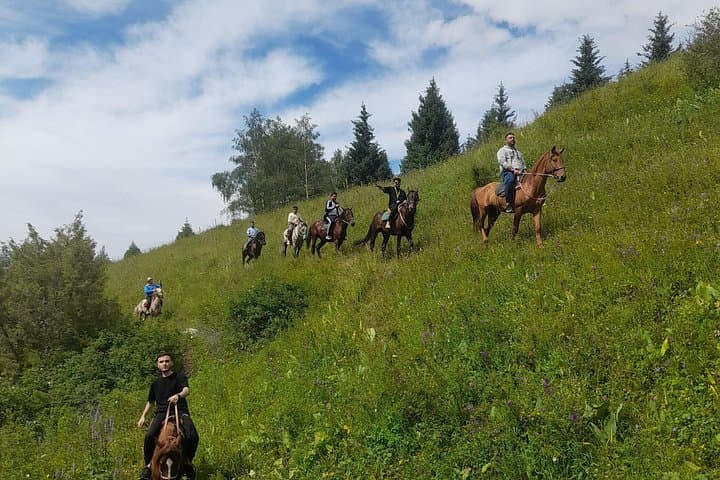
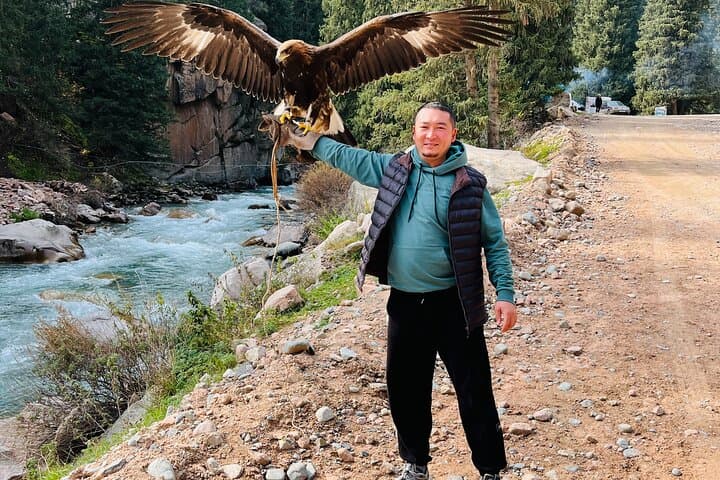
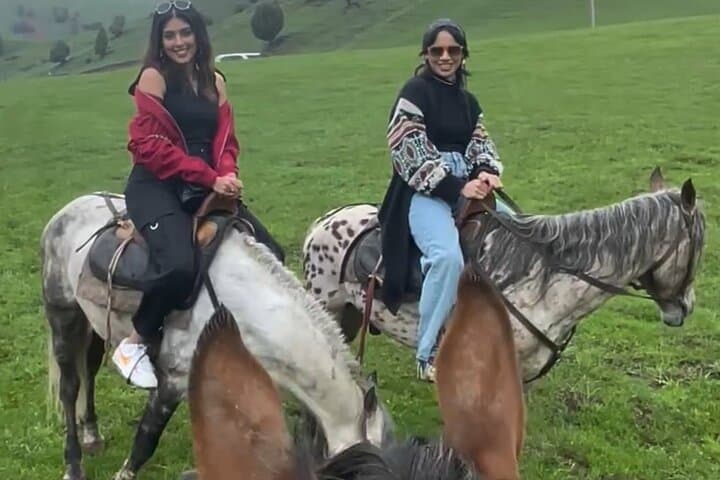
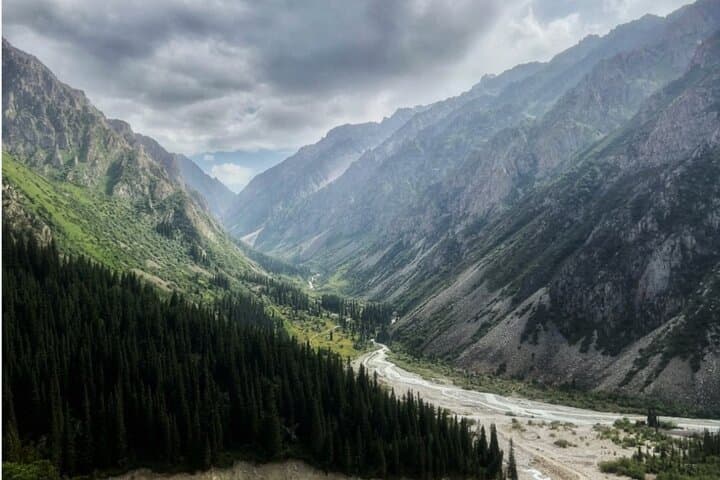
A morning in Bishkek dissolves into open sky as the road climbs out of the city and drops into the Chuy Valley. Wind ruffles the wheat; distant peaks sharpen. At Burana Tower you step onto stones that have felt caravan ropes and horse hooves — the minaret looms, its spiral staircase daring you to gain a higher view of lowland fields and beyond them, the pale blue of Issyk-Kul.
A morning in Bishkek dissolves into open sky as the road climbs out of the city and drops into the Chuy Valley. Wind ruffles the wheat; distant peaks sharpen. At Burana Tower you step onto stones that have felt caravan ropes and horse hooves — the minaret looms, its spiral staircase daring you to gain a higher view of lowland fields and beyond them, the pale blue of Issyk-Kul.
Burana began as a Silk Road outpost in the 9th century; its surviving minaret, collapsed foundations and balbals (stone warriors) map a layered history of Turkic nomads and Islamic architecture. Geologically, Issyk-Kul is an endorheic alpine lake held in a tectonic basin — its waters never freeze, pushed by currents and mountain-fed streams that define microclimates along the shore.
Culture here is practical and ceremonial: yurt hospitality, smoked fish from Soviet-era processing towns, and the Ruh Ordo complex that lays religion and art side by side. A visit to a local hot spring rounds the day with warm, mineral waters used by generations for recovery.
Practical guidance: expect an 8-hour day with long vehicle transfers; bring sun protection, a light layer for lake breezes, and sturdy shoes for uneven stone and shoreline trails. Photography is excellent midday for the tower and late afternoon for lake light. Carry cash for small entrances and snacks; bottled water and reusable containers reduce waste. Time your visit outside high summer if you prefer cooler hikes and fewer crowds.